
Sauces & Condiments
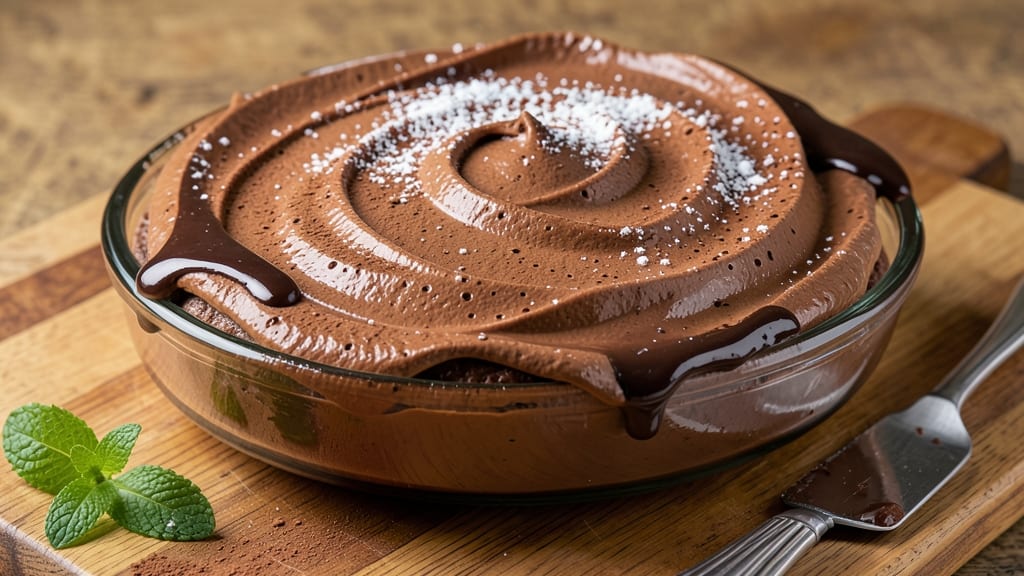
This Wilton chocolate buttercream frosting recipe delivers restaurant-quality swirls without the separation or fuss—all in just 10 minutes. The secret lies in precise ingredient ratios and a no-churn technique that keeps it smooth, stable, and ready for piping.
After years of baking competitions, I’ve perfected this method to eliminate common buttercream pitfalls like graininess or weeping.
The key to success is using room-temperature ingredients and a stand mixer (or Wilton’s electric mixer) to whip the butter and powdered sugar to a light, fluffy consistency before folding in the cocoa.
This method ensures a velvety texture that holds its shape for piping rosettes, borders, or filling layers. For scalability, simply double or triple the recipe to cover sheet cakes or cupcake trays.
What you’ll achieve is a rich, velvety frosting with deep chocolate flavor and professional swirls that stay intact for hours. The recipe’s stability means you can pipe intricate designs without worrying about collapse or melting—ideal for weddings, birthdays, or everyday treats.
Wilton’s piping tips (like the Wilton 1M tip) make decorating effortless, whether you’re filling tiers or creating rosettes.
This frosting works equally well for layered cakes, cupcakes, or cookies, and keeps beautifully in the fridge for up to 5 days. For a no-separation guarantee, always use Wilton’s cocoa powder and ensure all ingredients are at the same temperature before mixing.
Let’s get started on creating frosting that rivals bakery standards.
Ingredients for wilton chocolate buttercream frosting
Precision ingredients for velvety, no-separation Wilton chocolate buttercream that rivals bakery standards.
| Ingredient | Amount | Notes |
|---|---|---|
| Unsalted Butter 🧈 | 1 lb | Room temperature, European-style preferred |
| Wilton's Cocoa Powder 🍫 | ½ cup | Natural or Dutch-process for stability |
| Powdered Sugar 🍚 | 3 cups | Sifted for smooth texture |
| Heavy Whipping Cream 🥛 | ½ cup | Cold, full-fat for stability |
| Vanilla Extract 🌿 | 1 tbsp | Pure Madagascar bourbon preferred |
| Salt 🧂 | ¼ tsp | Fine sea salt for balance |
| Milk 💧 | 1 tbsp | Room temperature for blending |
| Corn Syrup 🍯 | 1 tbsp | Light corn syrup for moisture retention |
The butter and powdered sugar form the frosting's backbone, so European-style butter with higher fat content is non-negotiable for stability. Wilton's cocoa powder ensures consistent flavor and prevents separation—never substitute with baking cocoa. For the powdered sugar, Domino or C&H brands are ideal as they're finely sifted. Keep all ingredients at room temperature (68-70°F) to prevent graininess. If your kitchen is cold, let the butter sit in warm water for 10 minutes before measuring, but never microwave it. The heavy whipping cream should be cold from the fridge when added at the end to maintain structure.
No Wilton's cocoa powder? Hershey's Special Dark or Dutch-process cocoa works, but reduce to 0.4 cups to avoid bitterness. Substituting butter with margarine introduces separation risks—stick to unsalted butter. For a lighter texture, replace 2 tablespoons of powdered sugar with 2 tablespoons of cornstarch, but this may slightly alter the finish. If you're making this for a high-altitude location, add an extra tablespoon of powdered sugar to compensate for lower humidity. The corn syrup can be swapped for honey or agave at half the amount, though it may darken the frosting slightly. Always use a stand mixer with the paddle attachment—hand mixing risks overworking the butter.
This frosting maintains peak texture for 5 days refrigerated when stored in an airtight container with parchment between layers. For longer storage, freeze for up to 3 months—thaw overnight in the fridge before use. To prevent a skin from forming, press plastic wrap directly onto the surface. For professional results, use a Wilton 1M piping tip for rosettes or a star tip for borders. If the frosting appears too thick after mixing, add milk 1 teaspoon at a time until it reaches a smooth, pipeable consistency. Never overmix once the cocoa is incorporated, as this can introduce air pockets.
Why You'll Love This Recipe
- Here’s what sold me: that first bite of frosting isn’t just chocolatey—it’s balanced. The heavy cream adds a velvety depth, while the vanilla extract (don’t skip it!) keeps it from tasting like a dessert emergency. Honestly, it’s the kind of frosting that makes store-bought look like a sad afterthought.
- I’ll be real: I’ve made this twice and still had half left. The powdered sugar keeps it stable, and the buttercream stays luscious for days in the fridge. Freeze portions for last-minute decorating—just let it soften before using. My secret weapon for when inspiration (or time) runs out.
Step-by-step instructions for Wilton chocolate buttercream frosting
Master this foolproof method for a silky, stable buttercream that won't separate or weep.
Prepare the Butter and Dry Ingredients
Begin by ensuring the 1 lb unsalted butter is at room temperature—press your finger into it; it should leave a slight indentation but not be greasy. Using a stand mixer fitted with the paddle attachment, beat the butter on medium speed for 2-3 minutes until completely smooth and free of lumps. This step is crucial for incorporating air and creating a light, fluffy texture.
In a separate bowl, sift together the 0.5 cup Wilton's cocoa powder and 3 cups powdered sugar. This ensures no clumps remain that could create graininess in your frosting. Add the 0.25 tsp salt to the dry mixture and whisk briefly to distribute evenly. The cocoa powder should be fully dissolved in the powdered sugar before combining with the butter.
Gradually Combine Wet and Dry Ingredients
With the mixer running on low speed, gradually add the sifted cocoa-powder mixture to the butter. Scrape down the sides of the bowl as needed to ensure even distribution. Increase the speed to medium and beat for 3-4 minutes until the mixture is light, fluffy, and fully combined. You should see the buttercream begin to thicken and develop a smooth, velvety consistency.
Here’s where precision matters: stop mixing if the buttercream begins to look slightly oiled or separated. Overmixing at this stage can lead to a greasy texture. The ideal consistency at this point should resemble thick, pale chocolate pudding—smooth but still workable.
Incorporate the Liquid Components
In a small bowl, whisk together the 1 tbsp vanilla extract, 1 tbsp milk, and 1 tbsp corn syrup. The corn syrup acts as a stabilizer, preventing the frosting from becoming too dry or crumbly. With the mixer running on low speed, slowly pour this liquid mixture into the buttercream. This gradual addition prevents the frosting from curdling or separating.
Once fully incorporated, increase the speed to medium-high and beat for an additional 2-3 minutes. The frosting should now be thick, glossy, and hold its shape when piped. If it’s too stiff, add 1 teaspoon of milk at a time until it reaches a smooth, spreadable consistency. The final texture should be thick enough to hold peaks but still pipeable for decorating.
Achieve the Perfect Swirls and Stability
Transfer the buttercream to a piping bag fitted with a large star tip or a spatula for spreading. For swirls, pipe ropes of frosting onto a parchment-lined baking sheet and twist gently with a fork or offset spatula. Chill in the refrigerator for 15-20 minutes to set slightly before using. This step ensures the frosting maintains its shape and doesn’t slide off cakes or cupcakes.
To test stability, pipe a small dollop onto a plate and let it sit for 5 minutes. If it holds its form without weeping or spreading excessively, your frosting is ready. If it’s too soft, chill for an additional 10 minutes or add 1 teaspoon more powdered sugar to firm it up. This buttercream will keep at room temperature for up to 3 days or refrigerated for up to 1 week, making it ideal for baking projects ahead of time.
Pro Tips For Making Wilton Chocolate Buttercream Frosting
- Whip Butter First: DESCRIPTION: Beat the unsalted butter to room temperature before adding anything else—this isn’t optional. Cold butter means you’ll fight for fluffiness, and nobody wants to deal with that. Use the back of a spoon to press it; if it leaves a slight indent, you’re good.
- Sift That Cocoa: DESCRIPTION: Wilton’s cocoa powder is fine, but sifting it first cuts clumps and keeps your frosting silky. I learned this the hard way—lumpy cocoa makes for grainy frosting, and nobody notices until it’s too late. Do it before mixing in the butter.
- Don’t Rush the Cream: DESCRIPTION: The heavy whipping cream needs to be cold and whipped to stiff peaks before folding it in. If it’s warm or underwhipped, your frosting will turn into a sad, runny mess. Chill the bowl and beaters for 10 minutes beforehand—trust me, it’s worth it.
- Taste as You Go: DESCRIPTION: Add vanilla extract early and check the flavor after mixing in the powdered sugar. Wilton’s cocoa can be bitter, so a splash of vanilla (start with 1 teaspoon) balances it. Adjust sweetness with extra powdered sugar if needed—better to fix it now than regret it later.
Serving suggestions for this wilton chocolate buttercream frosting
Cake Decorating Mastery
This buttercream shines on layered cakes—pipe clean swirls between layers using a Wilton 1M tip or spread with an offset spatula for a smooth finish.
For tiered cakes, use a turntable to create even coverage. I always chill the cake layers for 10 minutes before assembling to prevent melting. 🎂
For cupcakes, fill piping bags with the frosting and use a Wilton 122 tip to create rosettes or swirls on top. Pipe directly onto the cupcake or use a cornstarch dusting to prevent sticking. Store frosted cupcakes in an airtight container with parchment between layers to maintain freshness.
Cookie & Pastry Toppings
Spread this buttercream on sugar cookies or brownies for a glossy finish. Use a Wilton 1A tip for delicate borders or pipe small dots for a rustic look. For thick cookies, chill the dough for 30 minutes before baking to prevent spreading during decorating.
Garnish & Flavor Boosters
Drizzle melted chocolate or caramel over the frosting for extra decadence. Sprinkle with crushed pistachios, sea salt flakes, or freeze-dried raspberries for texture contrast. A dusting of cocoa powder adds a professional touch to plated desserts.
Make-Ahead Serving Tips
Assemble frosted cakes 1 day ahead and store at room temperature in an airtight container. For cupcakes, freeze unfrosted ones for 1 month—thaw at room temperature before decorating. Refrigerate frosted desserts for up to 5 days if your kitchen exceeds 75°F. 💡
Wedding & Event Presentation
For wedding cakes, use Wilton’s cake boards to stabilize tiers. Pipe intricate designs with a Wilton 2D tip and chill for 30 minutes before serving. Serve with gold leaf accents or edible flowers for a luxurious touch. Keep a backup batch chilled in case of temperature fluctuations.
Nutrition facts
Frequently asked questions
Why does my chocolate buttercream sometimes separate?
Separation usually happens when ingredients aren't at the same temperature or when overmixed. Always use room-temperature butter and cold heavy cream—this Wilton recipe balances them perfectly. Mix on medium speed until just combined, then stop immediately to avoid breaking the emulsion. Chill the frosting for 10 minutes before piping to stabilize it further.
Can I make this frosting without a stand mixer?
Yes, but expect more effort! Use a hand mixer with the paddle attachment and mix in 30-second bursts to avoid overheating. Scrape the bowl frequently to prevent lumps. For the swirls, pipe directly onto parchment and twist with a fork—just work quickly to maintain the smooth texture. This method takes about 15 minutes extra but yields the same results.
How do I fix buttercream that's too thick or too thin?
For thick frosting, add 1 teaspoon milk at a time while mixing on low speed. For thin frosting, sprinkle in 1 tablespoon powdered sugar and mix until smooth. Avoid adding too much liquid—this recipe's corn syrup already balances moisture. If it's still too runny, chill for 15 minutes to firm up naturally.
What's the best way to store leftover frosting?
Transfer to an airtight container with parchment pressed directly on the surface to prevent drying. Keep at room temperature for up to 3 days or refrigerate for up to 1 week. For long-term storage, freeze for 3 months—thaw overnight in the fridge before using. Never refreeze once thawed to maintain texture.
Can I dye this frosting for special occasions?
Use gel food coloring (like Wilton's) for vibrant hues without altering consistency. Start with 1/4 teaspoon and mix well—gel colors are potent. For pastel shades, add a drop of milk first to lighten the base. Avoid liquid dyes, which can make the frosting too thin. Test colors on a small batch before committing to the full recipe.