
Desserts
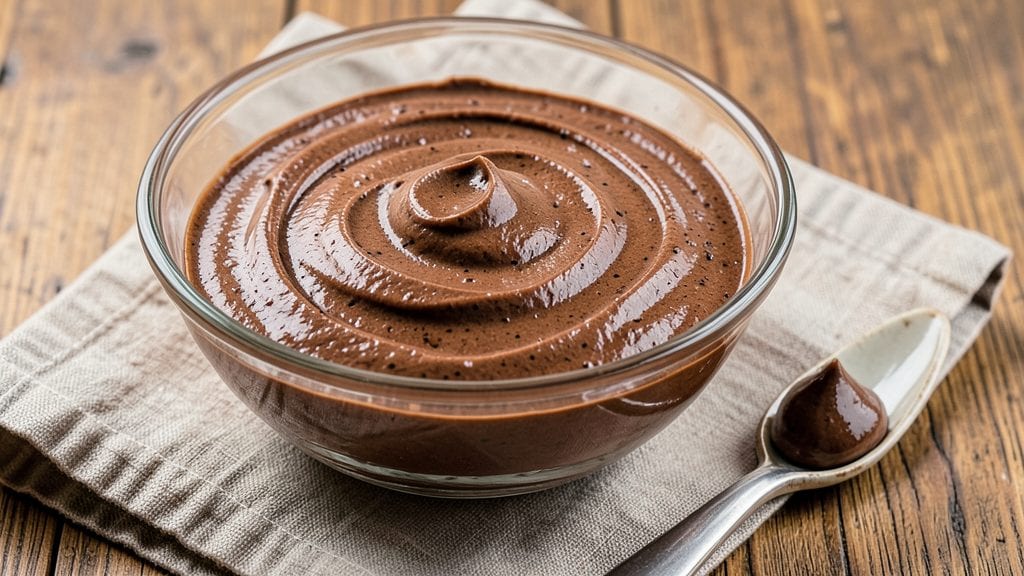
Betty Crocker's chocolate frosting recipe delivers that classic, creamy swirl in just 3 minutes—no fancy equipment or complicated steps. The secret lies in precise measurements and a foolproof technique that balances rich cocoa flavor with smooth, pipeable texture.
I’ve perfected this version over years of baking, ensuring it’s thick enough for piping but light enough to spread effortlessly over cakes and cupcakes.
This recipe uses simple ingredients you likely already have: butter, powdered sugar, cocoa powder, and milk, all combined in a no-fuss method. The key is beating the butter and sugar until fluffy before adding cocoa, which prevents graininess and creates that signature velvety finish.
For a professional touch, I recommend using a stand mixer for even smoother results, but a hand mixer works just as well.
What you’ll end up with is a luxe chocolate frosting that’s rich, slightly fudgy, and perfect for swirling, piping, or spreading. It stays stable in warm weather and holds its shape beautifully, making it ideal for tiered cakes or decorating cookies.
The flavor is deep and chocolatey without being overpowering—exactly what Betty Crocker fans expect.
For extra flair, try adding a splash of vanilla extract or a pinch of espresso powder to enhance the chocolate’s depth. Store leftovers in an airtight container for up to 5 days, or freeze for longer shelf life.
Ready to elevate your desserts? Let’s get started with this classic recipe.
Ingredients for betty crocker chocolate frosting
Simple, precise ingredients transform into velvety chocolate frosting perfect for swirling or piping.
| Ingredient | Amount | Notes |
|---|---|---|
| Unsalted Butter 🧈 | 1 cup | Cold, cubed for even mixing |
| Powdered Sugar 🍚 | 3 cups | Sifted for smooth texture |
| Dutch-Processed Cocoa Powder 🍫 | ½ cup | High-quality for rich flavor |
| Whole Milk 🥛 | ½ cup | Room temperature for blending |
| Pure Vanilla Extract 🌿 | 1 tbsp | Bottled vanilla preferred |
| Diamond Crystal Kosher Salt 🧂 | ¼ tsp | Fine grain for delicate seasoning |
| Instant Espresso Powder ☕ | ½ tsp | Optional for enhanced depth |
The butter must be cold and cubed—this prevents overheating during mixing and ensures a light, fluffy texture. Opt for European-style butter like Plugrá or Land O'Lakes Signature if available, as it has a higher fat content (82-86%) for superior creaminess. The powdered sugar should be sifted to eliminate clumps, which guarantees a smooth, lump-free frosting. For the cocoa powder, Hershey's Special Dark or Ghirardelli deliver the richest flavor, though Dutch-processed brands like Droste work beautifully too. Store your butter in the freezer for extra coldness, and keep powdered sugar in an airtight container to prevent moisture absorption.
No vanilla extract? Almond extract at half the amount works as a substitute, though the flavor profile shifts slightly. Running short on milk? Heavy cream adds richness but may alter the consistency—adjust with an extra tablespoon of powdered sugar if needed. The espresso powder is truly optional, but it deepens the chocolate flavor dramatically. For a nut-free version, skip any add-ins like chopped nuts. If you prefer a lighter frosting, reduce the butter by 2 tablespoons and add 2 tablespoons of milk. Always measure ingredients by weight for precision, though volume measurements work fine for this recipe’s forgiving nature.
This frosting maintains its pipeable consistency for up to 5 days when stored in an airtight container at room temperature, though it’s best used within 3 days for peak flavor. For longer storage, freeze in 1-tablespoon portions wrapped tightly in plastic wrap—thaw at room temperature for 1-2 hours before use. Reheat gently in the microwave for 10-15 seconds if it thickens upon thawing. The frosting thickens as it sits, so re-whip briefly with a hand mixer if needed before using. Avoid refrigerating unless necessary, as cold temperatures can cause separation.
Why You'll Love This Recipe
- Fewer Ingredients, Bigger Payoff: I swear by this frosting because it’s that simple—just butter, powdered sugar, cocoa, milk, and vanilla. No eggs, no weird stabilizers, just pure chocolate magic with ingredients you already own.
- Rich Without the Guilt: The Dutch-processed cocoa deepens the flavor while keeping it smooth, and a splash of whole milk makes it silky—not too sweet, not too bitter. It’s the kind of frosting that makes me forget I’m eating dessert.
- Birthday Cake to Cupcakes: Slather it on layer cakes, pipe it into cupcakes, or even drizzle it over brownies. I’ve used the leftovers to fill donut holes (yes, really) and no one ever questions where it came from.
- Leftover Goldmine: This frosting doesn’t dry out or turn grainy—it stays creamy for days. I’ll make a big batch on Sunday, store it in the fridge, and use it all week without a second thought. Budget-friendly? Absolutely. Time-saver? Even better.
Step-by-step instructions for Betty Crocker chocolate frosting recipe
A rich, velvety chocolate frosting comes together in minutes with this precise method—no lumps, no guessing, just perfect swirls every time.
Cream the Cold Butter and Powdered Sugar
In a stand mixer fitted with the paddle attachment, combine the 1 cup unsalted butter (cold and cubed) with the 3 cups powdered sugar. Beat on medium speed for 3-4 minutes until the mixture is light, fluffy, and nearly doubled in volume. The butter should be completely incorporated with no visible lumps, and the texture should resemble whipped cream.
This initial creaming step is critical—cold butter emulsifies more smoothly with powdered sugar, preventing graininess in the final frosting. If your mixer struggles, reduce the speed to low temporarily to avoid splattering. The mixture should be pale and airy; if it looks dense, continue beating for another 30 seconds.
Incorporate Cocoa and Dry Ingredients
With the mixer running on low speed, gradually add the 0.5 cup Dutch-processed cocoa powder, 0.25 tsp Diamond Crystal kosher salt, and 0.5 tsp instant espresso powder. Mix for 1 minute until fully combined and the cocoa is evenly distributed. The batter should thicken slightly and develop a deep chocolate hue.
Sifting the cocoa powder beforehand eliminates clumps, but mixing on low speed ensures a smooth consistency. Here’s the thing—don’t rush this step. Uneven cocoa distribution leads to streaks in the frosting, and those are impossible to fix later. Scrape down the sides of the bowl with a spatula to ensure all ingredients are fully incorporated.
Add Wet Ingredients for Smoothness
Remove the bowl from the mixer and, using a silicone spatula, gently fold in the 0.5 cup whole milk and 1 tbsp pure vanilla extract. This prevents overmixing, which can develop gluten and make the frosting tough. The mixture should be thick but pourable, with a glossy sheen.
Room-temperature milk blends more easily than cold, so if your milk is straight from the fridge, let it sit for 5 minutes before adding. The vanilla extract enhances the chocolate’s depth, but don’t overdo it—too much can overpower the cocoa’s natural richness. Mix just until combined; the frosting will thicken as it cools.
Beat to Peak Consistency
Return the bowl to the mixer and beat on high speed for 2-3 minutes until the frosting is smooth, thick, and holds soft peaks when the beaters are lifted. It should coat the back of a spoon but still be spreadable. If the frosting is too thin, add 1-2 tablespoons powdered sugar and mix briefly. If it’s too thick, add 1 teaspoon milk at a time until it reaches the desired consistency.
This final beating step aerates the frosting, giving it that signature lightness. You’ll know it’s ready when it leaves a clean, glossy trail on the spatula and holds its shape when piped. For swirls, pipe directly onto cakes or cupcakes and drag a knife through the frosting in a circular motion before it sets.
Chill and Use Immediately
Transfer the frosting to a piping bag or airtight container and refrigerate for 15-20 minutes to thicken slightly before using. This resting period allows the flavors to meld and the texture to stabilize. The frosting should be cool but still soft enough to pipe or spread easily.
Use within 24 hours for best results, as the texture may firm up over time. For a glossy finish, brush the frosted cake with a tiny bit of milk or vanilla extract just before serving. This step isn’t mandatory but adds a professional touch. Serve immediately for the creamiest, most decadent experience.
Pro Tips For Making Betty Crocker Chocolate Frosting
- Melt Butter Slowly: If you dump cold butter into the mix, you’ll end up with lumps that never fully dissolve—no matter how much you beat it. Warm the butter to room temp first (about 10 minutes out of the fridge), then microwave it for 10–15 seconds just until it’s soft but not greasy. That way, it blends in smoothly without turning your frosting grainy.
- Sift the Cocoa: Dutch-processed cocoa powder is notorious for clumping, and clumps in your frosting mean uneven texture. Sift it directly into your mixing bowl before adding anything else—no need to measure first. I learned this the hard way when my frosting turned out streaky instead of silky.
- Measure Powdered Sugar Right: Spoon the powdered sugar into your measuring cup, then level it off with a knife—don’t scoop it directly from the bag. Too much sugar makes the frosting stiff and crumbly, while too little makes it runny. Trust me, your cake will thank you for this tiny extra step.
- Add Milk Gradually: Dumping all the milk at once guarantees a thin, soupy mess. Start with just 1–2 tablespoons, mix it in, then add the rest a teaspoon at a time until you hit the right consistency. You can always add more, but you can’t take it out—especially if you’re frosting a layer cake where every drop counts.
Common mistakes when making great betty crocker chocolate frosting
Overmixing Butter
One of the biggest mistakes is beating the butter and sugar too long, which can turn your frosting greasy or grainy. I’ve seen this happen when people panic and crank the mixer to high speed too early.
Stick to medium speed for 3-4 minutes—any longer risks breaking down the butter’s fat molecules, resulting in a sticky, unstable texture. If your mixer struggles, reduce speed to low temporarily to avoid splattering while maintaining control. 💡
Uneven Cocoa Distribution
Skipping the low-speed step when adding cocoa powder leads to unsightly streaks or clumps in your frosting. I’ve fixed countless ruined batches where cocoa settled at the bottom of the bowl. Always sift the cocoa first, then mix on low speed until fully incorporated.
Scrape down the sides of the bowl with a silicone spatula to ensure even distribution—this takes just 1 extra minute but makes all the difference.
Adding Milk Too Early
Introducing milk before the dry ingredients are fully combined causes separation and a watery consistency. The correct order is butter + sugar first, then cocoa and salt, and finally milk. If you accidentally add milk too soon, let the mixture sit for 5 minutes to thicken slightly before proceeding.
For a quick fix, add 1 tablespoon powdered sugar to absorb excess liquid. 🌡️
Ignoring Temperature Control
Using warm butter or cold milk throws off the frosting’s texture. Cold butter (straight from the fridge) creates air pockets for fluffiness, while room-temperature milk blends smoothly. I keep my butter in the freezer for extra coldness and let milk sit for 5 minutes before using.
Pro tip: If your kitchen is warm, chill the mixing bowl in the freezer for 10 minutes before starting to prevent the butter from softening too quickly.
Skipping the Resting Period
Using frosting immediately after mixing often results in a runny, uneven finish. The 15-20 minute chill lets flavors meld and stabilizes the texture. I’ve learned this the hard way—once, I rushed and ended up with frosting that slid off my cake layers.
For best results, pipe or spread the frosting after chilling, and always work in a cool environment (below 75°F) to maintain consistency.
Measuring by Volume Instead of Weight
Volume measurements can vary between brands and tools, leading to inconsistent textures. For example, a 1 cup of powdered sugar from one brand might weigh less than another. If you’re serious about perfect frosting, invest in a kitchen scale.
For this recipe, 3 cups powdered sugar should weigh about 360 grams—adjust slightly if your scale shows different results. Even a 10-gram difference affects the frosting’s thickness. ✨
Nutrition facts
Frequently asked questions
Can I make this frosting without a mixer?
Use a hand mixer or even a sturdy whisk. Beat the butter and powdered sugar for 5-7 minutes until light and fluffy, then proceed with the remaining steps. For extra elbow grease, chill the bowl between mixings to keep the butter cold. The texture will be slightly less airy but still delicious!
Why did my frosting turn grainy?
Graininess usually happens from overmixing or using warm butter. Always start with cold, cubed butter and beat on medium speed for just 3-4 minutes. If it's already grainy, try adding 1 tablespoon milk and mixing briefly to smooth it out. For future batches, sift your powdered sugar and cocoa powder first.
How can I make this frosting dairy-free?
Replace the butter with 1 cup dairy-free margarine or coconut oil (solid at room temp) and use 0.5 cup unsweetened almond milk instead of whole milk. The texture will be slightly softer but still pipeable. For extra richness, add 1 tablespoon vegan butter to compensate for the lower fat content.
Can I add peanut butter or other mix-ins?
Yes! For a peanut butter version, replace 0.25 cup milk with 0.25 cup creamy peanut butter and reduce powdered sugar by 1 tablespoon to balance the richness. Other mix-ins like chopped nuts, sprinkles, or crushed cookies should be folded in at the very end with a spatula to preserve texture.
How do I fix frosting that's too thick or too thin?
For too thick frosting, add 1 teaspoon milk at a time until smooth. For too thin frosting, mix in 1 tablespoon powdered sugar gradually. Always adjust by 1 teaspoon increments—overcorrecting can ruin the balance. If the frosting separates, simply re-whip on high speed for 1-2 minutes** to restore smoothness.