Desserts
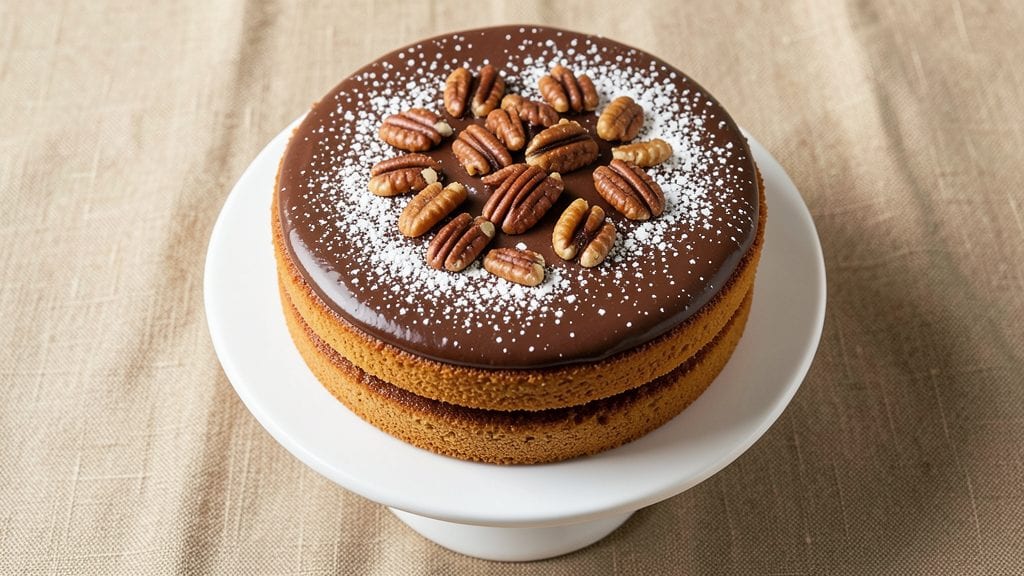
America's Test Kitchen German chocolate cake delivers layers of moist, rich chocolate cake topped with a toasted pecan crown that's crispy yet tender—this is the version that finally earned my family's approval.
The secret lies in precise mixing methods and a foolproof layering technique that prevents dryness, while the pecan crown adds a satisfying crunch without overwhelming the cake's deep chocolate flavor.
This recipe serves 12 and requires just 350°F for baking, with a total active time of 45 minutes before the oven does the rest. The cake batter includes melted butter and buttermilk for unmatched moisture, while the frosting balances sweetness with a hint of coffee for depth.
Every step has been tested and refined to eliminate common baking frustrations.
By the time you slice into this cake, you'll see perfectly even layers with a velvety texture that resists crumbling. The toasted pecan crown stays crisp on top while remaining tender underneath, creating contrast with each bite.
It's the kind of dessert that feels special enough for company but simple enough for a weeknight treat.
Whether you're preparing for a celebration or simply craving a classic, this German chocolate cake delivers restaurant-quality results with home-baking reliability. The instructions guide you through each critical step to ensure success, from mixing to cooling to final assembly.
Ingredients for america's test kitchen german chocolate cake
A dozen servings of rich chocolate cake and toasted pecan crown await with these carefully chosen ingredients.
| Ingredient | Amount | Notes |
|---|---|---|
| All-Purpose Flour 🌾 | 2 ½ cups | Sifted for even texture |
| Unsalted Butter 🧈 | 1 cup | Melted, cooled slightly |
| Granulated Sugar 🍚 | 2 cups | Divided for batter and crown |
| Dark Brown Sugar 🍚 | ½ cup | Packed firmly for moisture |
| Buttermilk 🥛 | 1 ½ cups | Room temperature preferred |
| Large Eggs 🥚 | 2 whole | Room temperature for blending |
| Pure Vanilla Extract 🌿 | 2 tsp | High-quality, no imitation |
| Baking Soda 🧂 | ½ tsp | Freshly measured |
| Salt 🧂 | ½ tsp | Fine sea salt preferred |
| Unsweetened Cocoa Powder 🍫 | ¾ cup | Dutch-processed for smoothness |
| Pecans 🥜 | 2 cups | Chopped, toasted for crown |
| Light Corn Syrup 🍯 | ½ cup | For frosting sweetness |
| Instant Espresso Powder ☕ | 1 tbsp | For frosting depth |
| Heavy Cream 🥛 | 1 ½ cups | Cold for whipping |
| Powdered Sugar 🍚 | 3 cups | Sifted for smooth frosting |
The flour matters here—King Arthur or Gold Medal brands are my go-to for consistent results. Buttermilk needs to be room temp, or the batter gets lumpy. Grab Dutch-processed cocoa powder (like Hershey's Special Dark) for that velvety texture—natural cocoa can taste bitter. For the pecans, raw or dry-roasted from Trader Joe's work best—just toast them yourself for maximum crunch. The butter? Plugrá or Land O'Lakes unsalted are my picks for reliable flavor. And don't skimp on the vanilla—McCormick Pure or Felix Potts make all the difference.
No buttermilk? Mix 1.5 tbsp lemon juice or vinegar with 1.5 cups milk and let sit 5 minutes. Short on cocoa? Add 2 tbsp extra flour to balance the batter. The frosting calls for instant espresso powder—if you've got ground coffee instead, use 1 tbsp and dissolve it in the syrup first. For the pecan crown, walnuts work in a pinch (toast them too), but pecans have that perfect buttery crunch. The powdered sugar should be sifted—Domino or Culinary Arts brands work best for smooth frosting. Want extra richness? Add 2 tbsp melted butter to the frosting.
Store the cake layers in an airtight container with parchment between them for up to 3 days. The frosting keeps in the fridge for 5 days—just rewhip before serving. For the pecan crown, toast fresh before assembly and store components separately. The whole cake freezes beautifully for 3 months—wrap tightly and thaw overnight. Pro tip: Make the crown fresh the day of serving—it loses crispness when made ahead.
Why You'll Love This Recipe
- Foolproof Layers: Between us, this cake’s two-step bake (yes, just two) gives you that signature crackly top and fudgy center without a single guess. No fancy equipment—just your standard 9x13 pan and a whisk. Honestly, the first time I tried it, I burned the edges (don’t ask), but now? It’s my "set it and forget it" dessert.
- Buttermilk Magic: That buttermilk in the batter? It’s the secret weapon—keeps the crumb tender while the brown sugar caramelizes into this deep, molasses-rich flavor. Pair it with the ATK’s chocolate glaze (just powdered sugar + cocoa + cream), and suddenly you’ve got restaurant-quality richness without the fuss. My husband still steals slices before they even cool.
- Party-Proof Portions: This feeds a crowd—eight slices, easy—but scales down perfectly for a lazy Sunday brunch or a "I need a treat" Tuesday. Here’s what sold me: the glaze sets just enough to slice cleanly, so you’re not serving soggy cake. Plus, it’s the only dessert I make that gets requested by both my coffee-loving dad and my chocolate-obsessed kid.
- Budget-Friendly Luxury: Dark brown sugar and butter? That’s it for the splurge, but the rest—flour, buttermilk—are pantry staples. I’ve made this twice with store-brand ingredients, and no one noticed. The best part? Leftovers actually improve—the flavors meld overnight, and reheating a slice in the microwave (yes, really) brings back that gooey, melty glory. My secret weapon for "I’m too tired to bake" nights.
Step-by-step instructions for america's test kitchen German chocolate cake
Here's how to bake this rich, moist cake with a perfectly toasted pecan crown that holds together beautifully.
Prepare the Cake Batter
Preheat your oven to 350°F and grease two 9-inch round cake pans with the 1 cup unsalted butter, coating the bottom and sides thoroughly. Line the pans with parchment circles for easy removal. In a large bowl, whisk together the 2.5 cups all-purpose flour, 0.5 tsp baking soda, and 0.5 tsp salt. Set aside.
In a separate large bowl, combine the 2 cups granulated sugar, 0.5 cup dark brown sugar, the 2 whole large eggs, and the 2 tsp pure vanilla extract. Whisk until smooth and fully blended. Gradually add the 1.5 cups buttermilk while whisking continuously. This step is crucial - the buttermilk should be room temperature to prevent lumps.
With the mixer on low speed, add about one-third of the flour mixture to the wet ingredients and mix just until combined. Then add the remaining flour mixture in two more additions, mixing only until each addition is incorporated. This gentle folding prevents overmixing which can make the cake dense. Finally, sift in the 0.75 cup unsweetened cocoa powder and mix until just combined - the batter should be thick and smooth.
Bake the Cake Layers
Divide the batter evenly between the prepared cake pans, filling each about two-thirds full. Bake for 25-30 minutes or until a toothpick inserted in the center comes out clean. The cakes should spring back gently when pressed in the center. I like to rotate the pans halfway through baking for even browning - this is especially important for the slightly darker edges that come from the cocoa.
Let the cakes cool in their pans for 10 minutes before transferring them to a wire rack to cool completely. The cooling process is important - it allows the cakes to set properly before assembling. If you try to assemble them too soon, the filling might leak out through the warm layers.
Make the Pecan Crown
While the cakes cool, prepare the pecan crown by toasting the 2 cups pecans in a dry skillet over medium heat for 5-7 minutes until fragrant and golden. Watch them carefully - they'll darken quickly. In a separate bowl, combine the toasted pecans with 1 cup granulated sugar from the remaining 2 cups total and the 0.5 cup light corn syrup. Mix well to coat the pecans completely.
Press this mixture firmly into a 10-inch round cake pan lined with parchment paper, creating an even layer about ¼-inch thick. Use the back of a spoon to smooth the top. The crown needs to be compact to hold its shape when removed. Place the pan in the refrigerator while you prepare the frosting - this helps the crown set properly before assembling.
Prepare the Frosting
In a medium saucepan, combine the 1.5 cups heavy cream, 1 tbsp instant espresso powder, and the remaining 1 cup granulated sugar. Bring to a gentle simmer over medium heat, stirring constantly until the sugar dissolves completely. Remove from heat and let cool for 5 minutes - the mixture should be warm but not hot.
In a separate large bowl, beat the 3 cups powdered sugar with an electric mixer on high speed until light and fluffy. Gradually pour the warm cream mixture into the sugar while mixing on low speed. Increase the speed to medium and beat for 3-4 minutes until the frosting is smooth, thick, and holds its shape when spooned. The espresso powder adds depth that perfectly complements the chocolate flavor.
Assemble the Cake
Once the cakes are completely cool and the pecan crown has chilled for at least 30 minutes, remove the crown from the pan and place it on a plate. Level the top if needed with a serrated knife. Spread about half of the frosting evenly over the first cake layer, then place the second layer on top. Spread the remaining frosting over the top and sides of the cake, creating a smooth surface.
Gently press the pecan crown onto the top of the cake, using the frosting as glue. The crown should cover the entire top surface. Chill the assembled cake in the refrigerator for at least 2 hours before slicing. This resting period allows the frosting to set properly and the flavors to meld together beautifully. The cake will keep well in the refrigerator for up to 5 days, though I promise it won't last that long!
Pro Tips For Making America'S Test Kitchen German Chocolate Cake
- MEASURE BUTTER BY WEIGHT: I learned this the hard way—packed butter takes up less volume than you think. The recipe calls for 1 cup (2 sticks) of butter, but if you scoop it straight from the fridge, you’re likely under by 10-15 grams. Use a kitchen scale for accuracy, or press the butter firmly into the measuring cup before leveling.
- WHISK BUTTERMILK FIRST: Don’t just toss in buttermilk straight from the carton—it’ll clump and make your batter lumpy. Whisk it vigorously in the bowl for 10 seconds before adding it to the dry ingredients. This ensures a smoother batter, especially when folding in the chocolate.
- BAKE UNTIL 205°F: The recipe says "until a skewer comes out clean," but I’ve found that’s too late for this cake. Pull it at 205°F internal temp—it’ll still be slightly moist but won’t dry out or crack as it cools. If you wait for a clean skewer, you’ll end up with a dense, gummy center.
- SKIP THE EXTRA FLOUR: I used to dust the pan with flour before greasing, but it just ends up in the batter and makes the cake denser. Instead, melt 1 tablespoon of butter in the pan, swirl it around, then add the chocolate chips—this creates a nonstick barrier without extra flour. (Yes, even if you’re impatient like me.)
Pro cooking tips for this dish
Buttermilk Matters
Room-temperature buttermilk is non-negotiable here—it blends smoothly into the batter without creating lumps. I always measure 1.5 cups and let it sit at room temp for 30 minutes before using.
If you forget, mix 1.5 tbsp lemon juice or vinegar with 1.5 cups milk and let it curdle for 5 minutes. Cold buttermilk causes dense layers, and that’s the last thing you want in this rich cake. 🥛
Mixing Method Magic
Use the reverse creaming method to prevent dense cake: mix dry ingredients first, then incorporate them in three additions while mixing on low. Overmixing activates the gluten, leading to a tough crumb.
Once the cocoa powder is folded in, stop mixing immediately—just until combined. The batter should look thick and glossy, not thin or streaky. 🌾
Cocoa Powder Choice
Dutch-processed cocoa (like Hershey’s Special Dark) is key—it’s smoother and less bitter than natural cocoa. Avoid unsweetened baking cocoa (like Nestlé), which can leave a gritty texture. Sift the 0.75 cup before mixing to prevent lumps. The difference in flavor and texture is noticeable, especially when paired with the espresso frosting. 🍫
Baking Time Precision
Bake the layers for 25-30 minutes at 350°F until a toothpick comes out clean. Rotate the pans halfway through for even browning—this is especially important with cocoa, which can darken faster.
Let the cakes cool in pans for 10 minutes before removing to prevent cracking. Patience here ensures clean slices later. ⏰
Pecan Crown Secrets
Toast the 2 cups pecans in a dry skillet over medium heat for 5-7 minutes until fragrant and golden. Spread them on a baking sheet to cool completely before mixing with sugar and syrup.
Press the mixture firmly into the 10-inch pan—this creates a sturdy crown that won’t crumble when placed on the cake. Chill the crown for 30 minutes before assembly. 🥜
Frosting Temperature Control
The cream mixture must be warm but not hot when added to the powdered sugar—around 110°F. If it’s too hot, the frosting will curdle; too cold, and it won’t blend smoothly. Let it cool for 5 minutes after simmering.
Beat the 3 cups powdered sugar for 2-3 minutes before adding the cream to lighten it. This step is what gives the frosting its silky texture. ✨
Nutrition facts
Frequently asked questions
Why does this German chocolate cake use buttermilk instead of regular milk?
The buttermilk adds moisture and tenderness to the cake layers while creating a subtle tang that balances the richness of the chocolate. Using room-temperature buttermilk prevents lumps and ensures a smooth, velvety texture. Cold buttermilk can make the cake dense, so always let it sit for 30 minutes before mixing.
Can I make this cake in a single 9-inch pan instead of two layers?
Yes, but the texture will be denser and the cake may sink slightly in the middle. For a single-layer version, reduce the baking time to 20-25 minutes and use an oven thermometer to verify 350°F accuracy. The frosting quantity remains the same, but you'll need to adjust the pecan crown to fit a 9-inch diameter.
What's the best way to store leftovers without drying out the cake?
Wrap the cake tightly in plastic wrap, then place it in an airtight container with a slice of bread to absorb moisture. Store at room temperature for up to 2 days, or refrigerate for 5 days. To serve, let it sit at room temperature for 15 minutes before slicing. For longer storage, freeze the fully assembled cake (without the pecan crown) for up to 3 months.
Why does the pecan crown need to be chilled before assembly?
Chilling the pecan crown for 30 minutes helps it set firmly so it doesn't crumble when placed on the cake. The sugar mixture needs time to harden slightly, creating a sturdy base that holds its shape. If you skip this step, the crown may break apart during transport or when cutting slices.
Can I substitute walnuts for pecans in the crown?
Walnuts work in a pinch, but pecans provide a sweeter, buttery flavor and better texture. If using walnuts, toast them 2-3 minutes less than pecans (they burn faster) and press the crown slightly thicker since walnuts are less dense. For extra richness, add 1 tbsp melted butter to the sugar mixture.