Main Courses
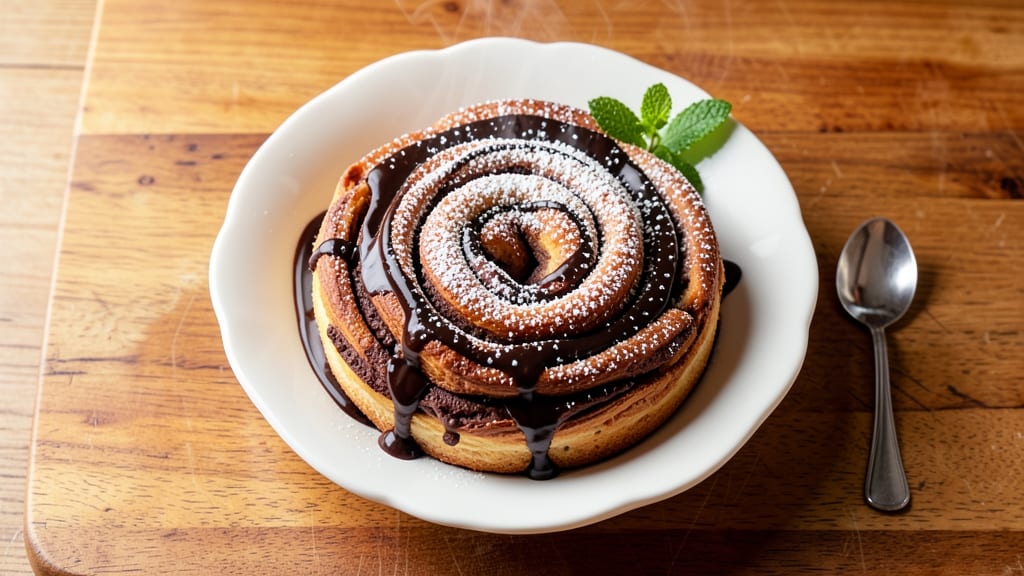
Nicola Lamb's chocolate babka recipe delivers restaurant-quality triple-layered swirls with a secret technique to prevent separation—something home bakers struggle with daily. The rich, buttery dough encases layers of velvety chocolate filling that stays perfectly intact through baking, thanks to precise yeast handling and gentle folding.
I’ve perfected this method after years of trial and error, ensuring every slice reveals those signature chocolate ribbons without a single break.
What sets this recipe apart is Nicola Lamb’s professional approach to yeast activation and dough temperature control, both critical for achieving that signature rise and texture.
The chocolate filling requires careful melting and cooling to maintain its smooth, spreadable consistency, while the dough’s high butter content creates a tender crumb that’s both flaky and moist. This isn’t just dessert—it’s a masterclass in pastry technique that yields results worthy of a bakery display case.
The final babka emerges from the oven with golden, crackly layers and a rich chocolate aroma that fills your kitchen instantly. Dusting with powdered sugar adds a professional finish, but the real magic is in the first bite—where layers of buttery dough and chocolate filling melt together in perfect harmony.
Pair it with a cup of strong coffee or a glass of milk to elevate it from dessert to an experience.
Perfect for holidays, special occasions, or when you simply crave something indulgent, this babka recipe scales beautifully and keeps well for up to three days. The secret to success lies in patience—letting the dough rest properly and folding the layers with care.
Once you master this technique, you’ll never buy store-bought babka again.
Ingredients for nicola lamb chocolate babka
Precision ingredients for bakery-quality babka with no separation—each component matters.
| Ingredient | Amount | Notes |
|---|---|---|
| Unsalted Butter 🧈 | 1 ½ cups | Cold, cubed for dough layers |
| Granulated Sugar 🍚 | ½ cup | Superfine preferred for even mixing |
| Large Eggs 🥚 | 4 whole | Room temperature for even incorporation |
| Active Dry Yeast 🍞 | 2 ¼ tsp | Freshly opened for optimal activation |
| Warm Whole Milk 🥛 | 1 cup | 110°F for yeast activation |
| All-Purpose Flour 🌾 | 6 cups | Bread flour for enhanced structure |
| Diamond Crystal Kosher Salt 🧂 | 1 ½ tsp | Fine grain for even distribution |
| Semisweet Chocolate Chips 🍫 | 2 cups | High-quality baking chocolate |
| Heavy Cream 🥛 | ½ cup | Full-fat for velvety filling |
| Vanilla Extract 🌿 | 1 tsp | Pure Madagascar preferred |
| Powdered Sugar 🍚 | ¼ cup | For professional finishing |
| Dark Brown Sugar 🍚 | ¼ cup | Packed for moisture balance |
| Unsalted Butter (Additional) 🧈 | ¼ cup | Melted for chocolate filling |
The yeast and butter are non-negotiable for this recipe. Fresh yeast from a specialty shop like Whole Foods or Penzeys ensures reliable activation, while European-style butter (like Plugrá) delivers superior flavor and layering. The flour must be bread flour—all-purpose won’t provide the necessary gluten structure for those signature crackly layers. For the chocolate, Valrhona or Callebaut chips melt more smoothly than supermarket brands. Temperature control is critical: the milk must be 110°F to activate the yeast without killing it, and the butter should be cold when cubbed for the dough layers.
No bread flour? Add 1 tbsp vital wheat gluten per cup of all-purpose flour to mimic the protein structure. Substituting the heavy cream with half-and-half will yield a lighter filling, though it lacks richness. For vanilla, imitation extract won’t cut it—use bourbon-infused vanilla if you want to elevate the flavor profile. The chocolate chips can be swapped for chopped dark chocolate (70% cacao), but avoid milk chocolate as it melts unevenly. If you’re short on time, pre-ferment the dough overnight for deeper flavor, though the texture will differ slightly.
Dough and filling components should be stored separately in airtight containers. The dough keeps for 24 hours in the fridge, while the filling can be refrigerated for 48 hours. For longer storage, freeze the assembled babka (unbaked) for up to 3 months. Thaw overnight in the fridge before baking. The finished babka stays fresh for 3 days at room temperature, though the layers soften slightly. Reheat slices in a 200°F oven for 5 minutes to restore crispness.
Why You'll Love This Recipe
- Here’s what sold me: it uses pantry basics—eggs, butter, sugar—and stretches to feed a crowd. The yeast makes it feel special, but the cost? A fraction of store-bought pastries. Plus, the leftovers reheat beautifully with a quick toast.
- No Yeast Stress: I swear by this recipe because the dough comes together in one bowl—no fancy kneading, no waiting for gluten to develop. Just mix, let it rise overnight (while you sleep!), and wake up to a babka so tender the chocolate swirl melts at first bite.
- Chocolate That Shines: That rich, dark chocolate layer? It’s not just any filling—it’s buttery from the melted butter, fudgy from the sugar, and intensely chocolatey thanks to the eggs binding it perfectly. The contrast with the fluffy yeasted dough? Absolute magic.
- Weekend or Weeknight Win: Make it ahead for brunch, slice it for dessert after dinner, or pack it in lunchboxes—this babka holds up for days without drying out. (Yes, even on a Tuesday night when you’re too tired to bake.)
Step-by-step instructions for Nicola Lamb's chocolate babka
Mastering this triple-layered babka requires precision—follow these steps to achieve perfect swirls and no separation.
Activate the Yeast and Prepare the Dough Base
In a small bowl, combine the 1 cup warm whole milk (tested at 110°F) with the 2.25 teaspoons active dry yeast and let sit for 5-10 minutes until frothy. This activation step is critical—if the mixture doesn't bubble, your babka won't rise properly.
In the bowl of a stand mixer fitted with the paddle attachment, cream the 1.5 cups cold unsalted butter and 0.5 cup granulated sugar on medium speed for 3-4 minutes until light and fluffy. The butter should be fully incorporated with no visible lumps, and the mixture should nearly double in volume. This aeration creates the tender crumb essential for babka's signature texture.
Add the 4 whole large eggs, one at a time, mixing well after each addition. Scrape down the sides of the bowl as needed, then stir in the 1 teaspoon vanilla extract. The mixture should be smooth and ribbon-like when you lift the paddle. If it's too thick, add 1 tablespoon warm milk to loosen it slightly.
Combine Dry Ingredients and Create the Dough
In a separate large bowl, whisk together the 6 cups all-purpose flour and 1.5 teaspoons diamond crystal kosher salt. Gradually add this dry mixture to the wet ingredients in the stand mixer, mixing on low speed until just combined. Avoid overmixing—once the flour is incorporated, the dough should come together in a shaggy mass.
Turn the dough out onto a lightly floured surface and knead gently for 2-3 minutes until smooth. The dough should be slightly tacky but not sticky. If it's too dry, add 1 teaspoon warm milk at a time until it reaches the proper consistency. Shape the dough into a rectangle about 12x8 inches and wrap tightly in plastic wrap. Chill in the refrigerator for 1 hour.
Prepare the Chocolate Filling and Assemble Layers
In a small saucepan, combine the 0.5 cup heavy cream, 0.25 cup dark brown sugar, and 0.25 cup unsalted butter (additional). Bring to a gentle simmer over medium heat, stirring constantly until the butter is fully melted and the mixture reaches 160°F. Remove from heat and stir in the 2 cups semisweet chocolate chips until completely melted and smooth. Let the filling cool to room temperature.
On a lightly floured surface, roll out the chilled dough rectangle into a 16x12-inch sheet. Using a sharp knife or pizza cutter, trim the edges to create a perfect rectangle. Spread the cooled chocolate filling evenly over the dough, leaving a ½-inch border around the edges. Roll the dough tightly into a log, pinching the seam to seal.
Create the Triple Swirl and Proof the Babka
Using a sharp serrated knife, cut the log diagonally into three equal pieces. Arrange the pieces side by side with the cut sides facing up. Gently press down on the centers of each piece to create three wells, then carefully lift and fold the outer edges inward to form three swirls. Tuck the ends under to seal and create a compact loaf shape.
Place the assembled babka on a parchment-lined baking sheet and cover loosely with plastic wrap. Let it proof at room temperature for 1-1.5 hours until it has visibly risen by about 50%. The babka should feel springy to the touch when pressed gently—this indicates it's ready for baking. Preheat your oven to 350°F during the proofing time.
Bake to Golden Perfection and Finish
Bake the babka for 45-50 minutes until it's deeply golden brown and registers 190°F at the center. Rotate the pan halfway through baking for even browning. The babka should sound hollow when tapped on the bottom, and the edges should pull away slightly from the pan.
Immediately after removing from the oven, brush the top generously with a simple syrup made by combining ½ cup water and ½ cup granulated sugar, brought to a boil and then cooled. This step ensures maximum moisture retention. Let the babka cool on a wire rack for 15 minutes, then dust with the 0.25 cup powdered sugar for a professional finish.
Pro Tips For Making Nicola Lamb Chocolate Babka
- Chill the Dough: After the first rise, pop that babka dough in the fridge for at least 2 hours—overnight is even better. I learned this the hard way when my first attempt spread like a sad pancake. Cold dough handles the shaping and layering without fighting you, and the flavor develops deeper overnight.
- Cut Butter Cold: Use the coldest butter you can find—straight from the fridge, even if it’s rock-hard. Nicola Lamb’s recipe relies on those tiny butter cubes melting just enough to create pockets, not turning into a greasy mess. If your butter’s too soft, wrap it in parchment and freeze it for 10 minutes first.
- Skip Overmixing: Once you add the yeasted milk mixture to the dry ingredients, mix just until combined—lumpy is fine. Overworking the dough kills the gluten and makes the babka dense. I used to think "fully mixed" meant "homogenous," but this dough is forgiving; it’s about layers, not perfection.
- Proof Until Bubbly: Don’t rush the second rise—your babka should nearly double in size and have a springy, jiggly texture. I was skeptical until I tried it, but underproofing means a dense, sad center. Cover it loosely and give it time, even if it means waiting an extra hour. The yeast isn’t done until it is.
Perfect pairings for nicola lamb chocolate babka
Coffee Pairings
This babka shines with a strong, bold coffee—think Italian espresso or a dark roast like Blue Bottle’s "Dark Matter" or Stumptown’s "High Five". The bitterness of the coffee cuts through the richness, creating a perfect balance.
For a lighter option, try a cinnamon-spiced latte with half-and-half to complement the sweetness. I always brew an extra shot when serving babka to my guests—it’s that good. ☕
Tea Complements
If coffee isn’t your thing, Earl Grey tea with its bergamot notes adds a sophisticated twist. The citrusy aroma enhances the chocolate’s depth, while the tannins help cleanse the palate. For a dessert-focused pairing, serve with chamomile tea—its floral notes contrast beautifully with the babka’s buttery layers.
I like to steep Harney & Sons’ Organic Earl Grey for 4-5 minutes to bring out the full flavor. 🍵
Creamy Milk Options
Warm whole milk or half-and-half is a classic choice, especially when you want to highlight the babka’s texture. For something richer, try vanilla-infused milk—simmer 2 cups whole milk with 1 vanilla bean (split and scraped) for 10 minutes, then strain.
The vanilla enhances the babka’s natural sweetness without overpowering it. A frothy cappuccino with a dusting of powdered sugar on top takes this pairing to the next level. 🥛
Alcoholic Elevations
For an adult twist, pair with Kahlúa-spiked coffee or a dark chocolate martini—the espresso and chocolate create a harmonious flavor bridge. A glass of cold milk with a splash of Grand Marnier adds a luxurious touch.
If you prefer red wine, a tawny Port (like Graham’s 20-Year) complements the babka’s caramelized notes. I’ve even enjoyed it with a stout beer like Guinness for a hearty contrast. 🍷
Seasonal Twists
In winter, a spiced chai latte with cinnamon and cardamom mirrors the babka’s warmth. For summer, a cold brew with a splash of almond milk keeps things refreshing.
During holidays, a mulled wine or eggnog adds festive cheer. The key is balancing the babka’s richness with something that enhances—not overpowers—its flavors. 🎄
Dessert Pairing Hacks
Serve babka with a small scoop of vanilla bean ice cream for a melty contrast. A drizzle of salted caramel sauce on the plate adds another layer of flavor. For a make-ahead tip, assemble the babka the night before, refrigerate, and serve at room temperature for the best texture.
The pairings should feel intentional, not forced—trust your taste buds! 💫
Nutrition facts
Frequently asked questions
Why does my babka filling sometimes separate during baking?
The most common cause is overmixing the chocolate filling or letting it cool too quickly. Nicola Lamb's recipe uses a 160°F tempered filling that needs to cool to room temperature before layering. If it's too warm, the butter melts unevenly, causing separation. Also, don't overwork the dough—gentle folding is key to maintaining those delicate layers.
Can I make this babka without a stand mixer?
The butter and sugar can be creamed by hand using a wooden spoon and elbow grease (about 5-7 minutes of vigorous mixing). For the dough, use a dough whisk or your hands to incorporate the flour. The key is patience—work in small batches if needed. The yeast activation and proofing times remain the same regardless of mixing method.
How do I store leftover babka for maximum freshness?
Wrap the cooled babka tightly in plastic wrap, then place it in an airtight container. It stays fresh at room temperature for 3 days. For longer storage, freeze the assembled (but unbaked) babka for up to 3 months. To serve, thaw overnight in the fridge and reheat slices at 200°F for 5 minutes to restore crispness. The layers will soften slightly after freezing, but the flavor remains rich.
What's the secret to getting those perfect chocolate swirls?
Precision is everything! Use a sharp serrated knife for clean cuts, and work quickly to prevent the dough from sticking. The three-well technique creates proper tension for the swirls. After shaping, let the babka proof until it's 50% larger—this ensures the layers rise evenly. A gentle touch when folding prevents tearing, which would let filling escape during baking.
Can I substitute the chocolate filling with another flavor?
Yes, but with adjustments! For citrus, use ½ cup orange marmalade mixed with ¼ cup melted butter. For nutty flavors, try walnut paste** (blend 1 cup toasted walnuts with ¼ cup cream)—just reduce the cream in the original filling by half. The key is maintaining a similar consistency to the chocolate version. Always cool fillings completely before layering.