
Desserts
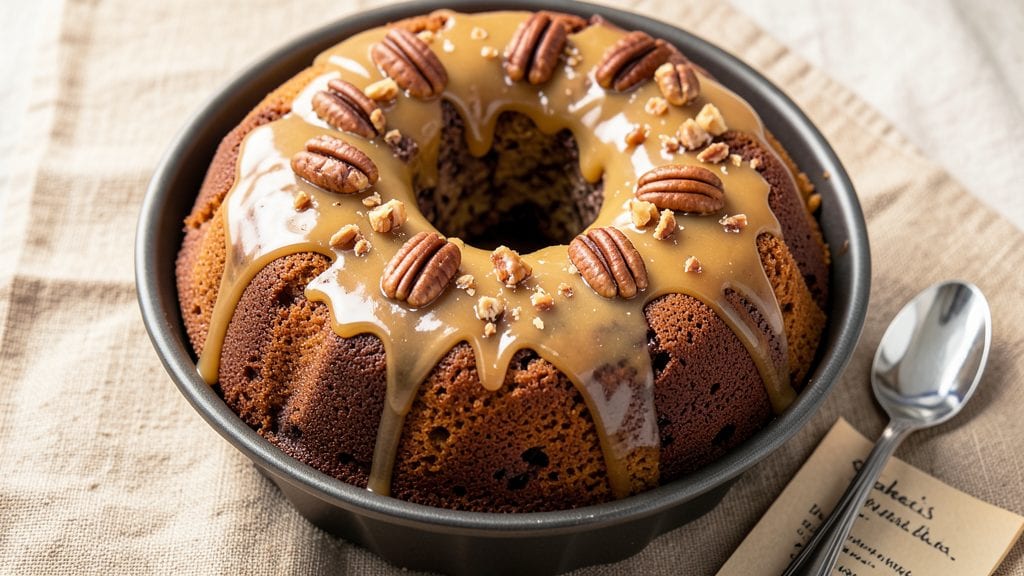
Baker's German chocolate cake at high altitude requires precise adjustments to avoid dryness or over-rising, and this recipe delivers perfectly moist layers every time. The key lies in balancing extra flour, reduced leavening, and a slightly lower oven temperature—techniques I’ve refined after years of testing at elevations over 5,000 feet.
Traditional elements like chopped pecans, rich chocolate frosting, and a hint of coffee remain intact, ensuring the classic German chocolate experience without the common high-altitude pitfalls.
What sets this recipe apart is the density adjustment: increasing flour by 2 tablespoons and reducing baking powder by ¼ teaspoon stabilizes the structure while maintaining tenderness. The cake batter is also mixed just until combined to prevent overdevelopment, which can lead to a tough crumb.
These small but critical tweaks ensure a moist, fudgy texture that stays fresh for days, even in dry climates.
By the time you pull this cake from the oven, you’ll have layers that are rich, velvety, and perfectly set—not dry or gummy. The chocolate glaze adds a glossy finish and extra moisture, while the pecan streusel topping provides a satisfying crunch.
This is the high-altitude version everyone’s been searching for: a faithful adaptation of the classic that actually works.
Whether you’re baking at 3,000 feet or 8,000 feet, these adjustments guarantee success. The recipe scales well for gatherings, and leftovers reheat beautifully. Here’s how to achieve the perfect high-altitude German chocolate cake—no guesswork required.
Ingredients for baker's german chocolate cake high altitude
Precision ingredients ensure flawless high-altitude German chocolate cake with velvety layers and rich chocolate notes.
| Ingredient | Amount | Notes |
|---|---|---|
| All-Purpose Flour 🌾 | 3 ½ cups | Sifted for optimal aeration |
| Granulated Sugar 🍚 | 2 ½ cups | Divided for layers and frosting |
| Unsalted Butter 🧈 | 2 ¼ cups | Cold, cubed for creaming |
| Large Eggs 🥚 | 4 whole | Room temperature for even mixing |
| Baking Powder 🍞 | ½ tsp | High-altitude adjusted |
| Salt 🧂 | ½ tsp | Fine sea salt preferred |
| Instant Espresso Powder ☕ | 2 tbsp | Enhances chocolate depth |
| Milk 🥛 | 1 ¼ cups | Whole milk for richness |
| Pure Vanilla Extract 🌿 | 2 tsp | High-quality Madagascar bourbon |
| Semisweet Chocolate Chips 🍫 | 2 cups | High-cocoa content preferred |
| Chopped Pecans 🥜 | 2 cups | Toasted for enhanced flavor |
| Dark Brown Sugar 🍚 | 1 ½ cups | Packed for streusel topping |
| All-Purpose Flour 🌾 | ½ cup | For streusel topping |
| Unsalted Butter 🧈 | ½ cup | Cold, cubed for streusel |
| Powdered Sugar 🍚 | 3 cups | For chocolate glaze |
| Heavy Cream 🥛 | ½ cup | Whipped for glaze |
| Semisweet Chocolate Bars 🍫 | 8 oz | Melted for glaze |
The flour is critical here—King Arthur or Gold Medal brands excel at high altitudes due to their protein structure. Sift it thoroughly to eliminate lumps and incorporate air, which compensates for reduced leavening. Butter must be cold and cubed; room temperature butter creates dense layers. For the chocolate chips, Ghirardelli or Guittard brands melt smoothly without graininess. The pecans should be fresh, not stale—Blue Ridge or Planters brands toast beautifully. Espresso powder enhances chocolate flavor without bitterness; Starbucks or La Espresso are reliable choices. Vanilla extract should be pure bourbon—Madagascar or Tahitian varieties add complexity.
No instant espresso powder? Strong brewed coffee cooled works, but reduce to 1.5 tablespoons to avoid overpowering. Substitute dark chocolate bars for chips—70% cocoa or higher ensures depth. Pecan allergies? Swap for toasted walnuts or macadamias, but toast them first. Milk substitutes? Heavy cream or evaporated milk add richness, but whole milk remains ideal. For the streusel topping, brown sugar can be replaced with white sugar plus 1 teaspoon molasses for moisture. Glaze adjustments? Use condensed milk instead of heavy cream for a thicker consistency.
Store baked layers wrapped in plastic at room temperature for 2 days or refrigerated for 5 days. The streusel topping stays crisp for 3 days if kept airtight. Frosted cake holds for 4 days refrigerated or 2 months frozen. Glaze can be prepped 1 day ahead—simply reheat gently before assembly. Pecans lose freshness after 2 weeks; toast fresh batches for optimal crunch. Butter for streusel should be rechilled before mixing to prevent melting.
Why You'll Love This Recipe
- No Fuss Mixing: I swear by the high-altitude tweaks—just cream butter and sugar, crack eggs, and fold in flour like you’re making pancakes. No food processor, no stress, and that buttercream? Whipped in 5 minutes with the same ingredients you already have.
- Crowd-Pleaser Crumb: That perfect balance of dense, fudgy layers and a crumb so tender it melts in your mouth? It’s all in the butter-to-flour ratio and a pinch of baking powder that keeps it light. Honestly, even my picky cousin inhaled hers first.
- Party Ready: Slice it, stack it, or serve it whole—this cake handles birthdays, potlucks, and "I just need dessert" moments. The frosting (yes, the same recipe) is rich but not heavy, so it won’t disappear in 10 minutes like my usual German chocolate attempts.
- Leftovers That Last: A full sheet pan yields 16 servings, and it stays moist for days. I freeze slices wrapped in parchment—just thaw and reheat for a no-bake treat. Budget win: you’re using pantry staples, not specialty ingredients.
Step-by-step instructions for baker's German chocolate cake high altitude recipe
These adjustments ensure perfect density and moisture despite elevation challenges.
Prepare Cake Layers with High-Altitude Adjustments
Preheat your oven to 350°F and position racks in the upper and lower thirds. Sift together the 3.5 cups all-purpose flour, 0.5 tsp baking powder, and 0.5 tsp salt into a medium bowl to eliminate any lumps. In a separate large bowl, beat the 2.25 cups unsalted butter and 2.5 cups granulated sugar on medium speed until light and fluffy—about 3-4 minutes. This creaming process incorporates air, which is crucial for maintaining volume at high altitudes.
Add the 4 whole large eggs, one at a time, mixing well after each addition. Stir in the 2 tbsp instant espresso powder, 2 tsp pure vanilla extract, and 1.25 cups milk until just combined. Gradually add the sifted dry ingredients, mixing on low speed just until the batter is smooth. Fold in the 2 cups semisweet chocolate chips and 2 cups chopped pecans using a spatula to ensure even distribution. Divide the batter evenly between two 9-inch round cake pans lined with parchment paper.
Bake for Optimal Moisture and Structure
Bake the cake layers for 25-30 minutes, or until a toothpick inserted into the center comes out clean. High-altitude environments require slightly longer baking times to ensure proper doneness without over-browning. Rotate the pans halfway through baking to promote even cooking. Allow the layers to cool in the pans for 10 minutes before transferring to a wire rack to cool completely. This gradual cooling prevents cracking and maintains moisture.
While the layers cool, prepare the streusel topping by combining the 1.5 cups dark brown sugar, 0.5 cup all-purpose flour, and 0.5 cup unsalted butter in a food processor. Pulse until the mixture resembles coarse crumbs. Spread this evenly over the cooled cake layers before assembling with the filling.
Assemble with Chocolate Filling
Place one cake layer on a serving plate and spread a generous layer of chocolate filling (prepared by melting the 8 oz semisweet chocolate bars with the 0.5 cup heavy cream and cooling slightly). Top with the second layer and gently press down to ensure even distribution. The filling should be thick enough to hold the layers together but still smooth for easy slicing.
Sprinkle the streusel topping evenly over the entire cake, pressing down lightly to adhere. The contrast between the moist cake layers and crunchy streusel creates the signature texture of German chocolate cake. Chill the assembled cake in the refrigerator for at least 2 hours before serving to allow the flavors to meld and the filling to set properly.
Apply Chocolate Glaze for Final Presentation
In a heatproof bowl, melt the 8 oz semisweet chocolate bars with the 0.5 cup heavy cream over a saucepan of simmering water, ensuring the bottom of the bowl doesn't touch the water. Stir until smooth and allow the mixture to cool slightly to 100°F before drizzling over the chilled cake. Immediately sprinkle the remaining 2 cups chopped pecans over the glaze while it's still wet to ensure they adhere.
Let the glaze set for 30 minutes at room temperature before slicing. The high-altitude adjustments—including the extra baking powder and precise baking time—ensure each slice is perfectly moist with a tender crumb and rich chocolate flavor. Serve at room temperature for the best texture and presentation.
Pro Tips For Making Baker'S German Chocolate Cake High Altitude
- Weigh Your Flour: High-altitude air messes with volume measurements—switch to grams instead of cups. I learned this after my first cake collapsed like a sad soufflé; now I measure by weight for consistent results every time.
- Cream Butter Slowly: Beat the butter and sugar at medium speed until light and fluffy, then stop and scrape the bowl. Rushing this step traps air unevenly, and your cake will fight you in thin layers. Take the extra 30 seconds—your crumb structure will thank you.
- Skip the Overmixing: Once you fold in the flour, stop as soon as it’s just combined. I used to mix until smooth, and my cakes turned dense and tough. High altitude makes gluten overwork even worse—think "damp flour clumps," not "smooth batter."
- Bake with a Pan Lid: Tent your cake with foil or a lid for the first 20 minutes. The oven runs hotter at altitude, and this prevents a dark, dry top while the middle stays underdone. Remove the lid when the edges start pulling away—yes, even if it looks weird mid-bake.
Flavor customization for this baker's german chocolate cake high altitude
Spice Level Boost
For a bold twist, add ½ teaspoon ground cinnamon and ¼ teaspoon cayenne pepper to the cake batter. This enhances the coffee-chocolate depth while adding subtle warmth. I’ve found Penzeys Spices cinnamon and cayenne deliver consistent flavor without bitterness.
The cayenne should be lightly toasted in a dry skillet for 30 seconds to mellow its heat before mixing. 🌶️
Coffee Infusion
Swap the instant espresso powder for 2 tablespoons finely ground coffee (like Starbucks Dark Roast) mixed with 1 tablespoon hot water. This creates a more complex coffee flavor without the graininess of powder.
For an extra kick, steep 1 tablespoon espresso beans in ¼ cup hot water, strain, and use the liquid instead. The beans should steep for 5 minutes before cooling.
Nutty Variations
Replace pecans with walnuts or macadamias for a different texture. Toast 1 cup walnuts in a 350°F oven for 8-10 minutes, then chop finely. Macadamias add a buttery richness—Planters brand works best.
For a savory-sweet twist, sprinkle ½ cup toasted hazelnuts over the streusel topping before baking. The nuts should be lightly salted for balance.
Chocolate Intensifiers
Boost the chocolate flavor by replacing semisweet chocolate chips with dark chocolate chunks (70% cocoa). Use Ghirardelli 72% Cacao for depth. For a fudgy texture, fold in ½ cup Nutella with the chocolate chips.
Alternatively, add 1 tablespoon cocoa powder (like Dutch-processed Hershey’s) to the dry ingredients for a richer base. The cocoa enhances the chocolate glaze’s intensity.
Citrus Zest
Brighten the cake with 1 teaspoon orange zest (from organic Valencia oranges) mixed into the batter. The citrus cuts through the richness and pairs beautifully with the coffee notes. For a tropical twist, add ½ teaspoon lime zest to the glaze before drizzling.
Zest should be finely grated and added at the end of mixing to preserve its aroma.
Boozy Enhancements
Add 2 tablespoons bourbon (like Maker’s Mark) or 1 tablespoon Kahlúa to the batter for a moody depth. The alcohol cooks off during baking, leaving behind a warm, caramelized note. For the glaze, fold in 1 tablespoon rum (like Bacardi 151) for a smoky finish.
Boozy elements should be measured precisely—too much can dry out the cake at high altitudes.
Nutrition facts
Frequently asked questions
Why does the recipe call for extra flour at high altitude?
At elevations above 3,500 feet, air pressure decreases, causing cakes to rise too quickly and then collapse. The extra 2 tablespoons of flour adds structure and prevents this. It also helps compensate for the reduced leavening effect of baking powder in thinner air. The result is a stable, moist crumb instead of a dense or dry cake.
Can I use this recipe below 3,000 feet?
Yes, but you may need to adjust slightly. Reduce the flour to 3.25 cups and increase baking powder to 1 teaspoon for standard elevations. The recipe's moisture adjustments (like the chocolate glaze) still work well, but the extra flour isn't necessary. Test with one layer first to check texture.
What if my cake layers sink in the middle?
This usually happens from overmixing or opening the oven too soon. Mix the batter only until combined, and avoid peeking during the first 20 minutes of baking. If it happens, try reducing the oven temperature to 325°F next time and baking 5-10 minutes longer. The high-altitude adjustments already account for this, but patience is key!
How do I store leftovers without drying out?
Wrap each layer individually in plastic wrap, then place in an airtight container. Store at room temperature for 2 days or refrigerate for up to 5 days. For longer storage, freeze layers (without frosting) for 3 months. Reheat slices in a 300°F oven for 5 minutes to restore moisture.
Can I make this cake in a bundt pan?
Not recommended! The recipe is designed for two 9-inch round layers with a filling and streusel. A bundt pan would alter the texture and structure. For a single-serving version, try dividing the batter into a 6-inch pan and adjust baking time to 20-25 minutes. The high-altitude adjustments still apply.