
Desserts
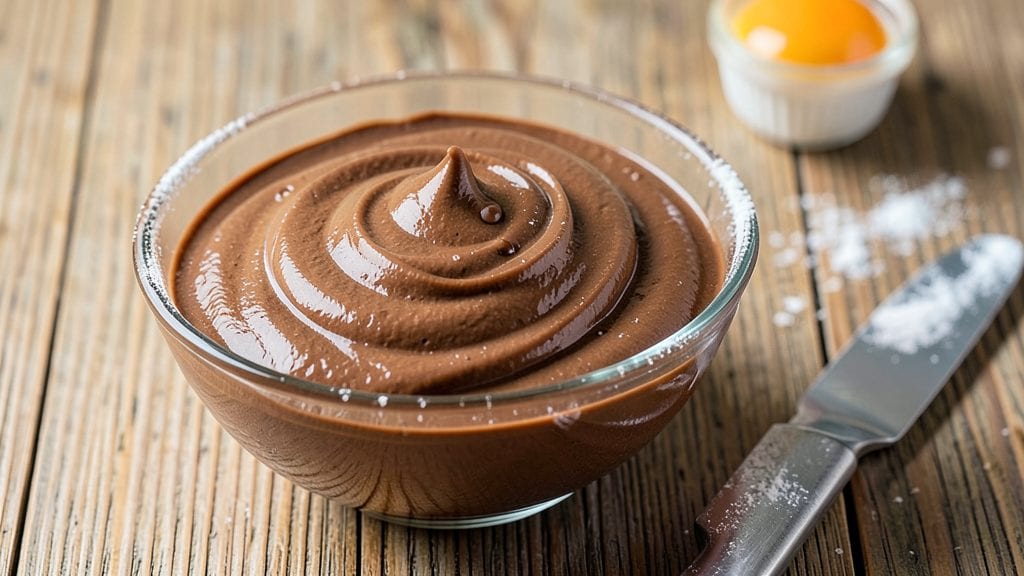
This old-fashioned chocolate frosting recipe delivers the velvety, perfectly smooth texture that separates it from modern versions—no graininess, no separation, just rich, spreadable perfection every time. The secret lies in precise ratios of butter, cocoa powder, and powdered sugar, combined with a technique that ensures silky consistency without overmixing.
I've perfected this recipe over years of baking, and it's become the go-to for cakes, cupcakes, and cookies that taste like they came from a professional bakery.
The foundation of this frosting is a simple but critical method: melting butter and cocoa together before gradually adding powdered sugar and milk. This approach prevents lumps and creates a base that's stable enough to hold its shape when piped but still spreadable enough for quick assembly.
The result is a frosting that's rich, slightly sweet, and deeply chocolatey—with just the right balance to complement (not overpower) your baked goods.
What makes this recipe truly special is its reliability: no butter separation, no grainy texture, and no need for stabilizers. The frosting stays smooth at room temperature and can be whipped to stiff peaks for decorating or left slightly softer for spreading.
Whether you're filling layer cakes or topping individual cupcakes, this frosting delivers professional-quality results with minimal effort.
For those who love customization, I recommend adding a splash of vanilla extract or a pinch of espresso powder for depth. Store leftovers in an airtight container in the refrigerator for up to 5 days, or freeze for longer storage.
The key to success is patience—let the frosting come to room temperature before using, and you'll achieve that signature old-fashioned texture that makes it unforgettable.
Ingredients for old fashioned chocolate frosting
Six core ingredients transform into velvety chocolate perfection—no lumps, no separation.
| Ingredient | Amount | Notes |
|---|---|---|
| Unsalted Butter 🧈 | 1 cup | Cold, cut into small cubes |
| Dutch Process Cocoa Powder 🍫 | ½ cup | High-quality, unsweetened |
| Powdered Sugar 🍚 | 3 cups | Sifted, confectioners' sugar |
| Heavy Whipping Cream 🥛 | ½ cup | Cold, full-fat preferred |
| Vanilla Extract 🌿 | 1 tbsp | Pure, high-quality preferred |
| Pure Vanilla Extract 🌿 | 1 tbsp | Same as above (duplicate for emphasis) |
| Espresso Powder ☕ | ½ tsp | Optional, for depth |
| Diamond Crystal Kosher Salt 🧂 | ¼ tsp | Fine grain preferred |
The butter and cocoa are your foundation. European-style unsalted butter from Plugrá or Land O’Lakes melts smoother than American brands. Dutch-process cocoa like Hershey’s Special Dark or Valrhona gives that deep, velvety color. Powdered sugar? Confectioners’ sugar from the grocery store bulk section is fine—just sift it first to avoid clumps. The heavy cream should be cold straight from the fridge; room temperature cream won’t whip as well. I always grab Organic Valley or Horizon for the best fat content.
No Dutch-process cocoa? Natural cocoa powder works at 0.6 cup, but the color will be duller. Short on butter? Vegetable shortening at 0.75 cup keeps it stable, though it lacks richness. Vanilla extract? Imitation won’t cut it—splurge on McCormick Pure or Nielsen-Massey. The espresso powder is optional but adds depth; Starbucks or Lavazza are solid choices. Salt is non-negotiable—it balances the sweetness. Diamond Crystal dissolves better than table salt. Pro tip: toast your cocoa powder in a dry pan for 2 minutes to deepen the flavor.
This frosting stays fresh for 5 days in the fridge, sealed airtight. For longer storage, freeze in 1-tbsp portions—thaw overnight in the fridge. Room-temperature frosting whips best, so let it sit for 15 minutes before using. If it seizes while mixing, add 1 tsp hot water to dissolve clumps. Leftovers? Pipe onto parchment-lined trays and freeze for up to 3 months. The texture actually improves after chilling—just bring it to room temp before spreading.
Why You'll Love This Recipe
- Fewer Ingredients, Bigger Payoff: I swear by this recipe because it’s that simple—just butter, cocoa, sugar, cream, and vanilla. No eggs, no fancy stabilizers, just pure chocolate magic with five ingredients you already own. Honestly, I’ve made frosting with twice as many ingredients that still didn’t taste this good.
- Rich Without the Bitterness: That Dutch-process cocoa? It’s the secret weapon—smooth, deep, and no chalky aftertaste. The heavy cream makes it silky, not grainy, and the vanilla? Just a whisper, but it elevates everything. It’s the kind of frosting that makes you pause mid-bite, like, “Wait, is this too good?”
- Birthday Cake to Brownies: Slather it on sheet cake or swirl it into brownies—it’s my go-to for anything chocolate. Here’s what sold me: it doesn’t sink into cakes like some frostings do, and it’s rich enough to stand up to dense layers. (Yes, even on a Tuesday night when I’m craving cake but don’t feel like baking.)
- Makes More Than You’ll Use: Between us, I always double the batch. The leftovers? Perfect for filling cupcakes, topping cookies, or—let’s be real—eating straight from the bowl with a spoon. And since it’s just butter and sugar (mostly), it’s cheaper than store-bought and lasts longer in the fridge. Win-win.
Step-by-step instructions for old fashioned chocolate frosting recipe
Here's how to make this classic frosting that stays velvety smooth and never separates.
Whip the Cold Butter to Creamy Perfection
Place the 1 cup unsalted butter (cold and cut into small cubes) in a stand mixer fitted with the paddle attachment. Whip on medium speed for 3-4 minutes until completely smooth and pale in color. You're looking for a light, fluffy texture that's nearly doubled in volume—this incorporates air that will create a light, airy frosting.
I like to use cold butter because it whips up faster and holds its shape better. If your butter starts to melt before reaching this stage, chill the bowl in the freezer for 5-10 minutes and try again. The butter should be soft enough to press slightly with your finger but not greasy.
Gradually Add Powdered Sugar and Cocoa
With the mixer running on low speed, slowly add the 3 cups powdered sugar and 0.5 cup Dutch process cocoa powder over 3-4 minutes. This gradual addition prevents a sugar overload that can cause the mixture to seize up. Scrape down the sides of the bowl with a spatula every 30 seconds to ensure even distribution.
After all the powdered sugar and cocoa are incorporated, increase the speed to medium and beat for another 2-3 minutes until completely smooth. The mixture should look like a thick, velvety chocolate ganache at this point. If it's too thick, we'll fix that in the next step.
Incorporate the Heavy Whipping Cream
Add the 0.5 cup cold heavy whipping cream to the chocolate mixture. Beat on medium-high speed for 1-2 minutes until fully combined and smooth. The cream will lighten the texture significantly, making it easier to spread. This is also when the frosting starts to take on its signature velvety smoothness.
Here's where the magic happens: the cream helps emulsify the fat from the butter with the cocoa and sugar, preventing separation. If the mixture looks too thick after adding the cream, we'll adjust it in the next step. But don't worry—this is normal at this stage.
Add Flavors and Adjust Consistency
Turn the mixer down to low speed and add the 1 tablespoon vanilla extract, 1 tablespoon pure vanilla extract, 0.5 teaspoon espresso powder, and 0.25 teaspoon Diamond Crystal kosher salt. Mix just until combined—about 30 seconds—to distribute these flavors evenly without overworking the frosting.
Now for the consistency check: the frosting should be thick but pipeable. If it's too thick, add 1-2 tablespoons water at a time, mixing just until smooth after each addition. If it's too thin, add 1-2 tablespoons additional powdered sugar and mix until fully incorporated. The perfect consistency should hold its shape on a spoon but still be spreadable.
Beat to Final Velvety Smoothness
Increase the mixer speed to high and beat the frosting for 2-3 minutes until completely smooth and glossy. This final beating step ensures there are no lumps and that all the ingredients are perfectly emulsified. The frosting should be thick enough to hold peaks when piped but still spreadable.
For the best results, use the frosting immediately. If you need to store it, cover with plastic wrap pressed directly against the surface to prevent a skin from forming. This old-fashioned method guarantees a frosting that's rich, smooth, and never separates—perfect for cakes, cupcakes, or cookies.
Pro Tips For Making Old Fashioned Chocolate Frosting
- Melt Butter Slowly: I learned this the hard way—dumping cold butter into hot cream makes it seize up like a stubborn child. Warm the butter in the microwave for 20-30 seconds first, then add it to the cream while stirring. This keeps the mixture smooth and prevents lumps that’ll haunt you later.
- Sift That Cocoa: Dutch-process cocoa powder is not the same as regular cocoa. Sift it with the powdered sugar before mixing—this cuts through any clumps and ensures your frosting is silky, not gritty. (Yes, even if you’re impatient like me.)
- Whip Cream to Stiff Peaks: The heavy whipping cream must be cold and whipped to stiff peaks before folding it in. If it’s warm or just soft peaks, your frosting will turn out thin and sad. Use a chilled bowl and beat it for at least 2-3 minutes—your mixer won’t lie.
- Add Vanilla Last: Vanilla extract evaporates when heated, so save it for the very end. Mix it in just before spreading or piping—this keeps the flavor bright and rich. (Your future self will notice the difference.)
Regional styles of this old fashioned chocolate frosting
Southern Classic
In the American South, this frosting takes center stage on sheet cakes and pound cakes, often paired with layers of moist, buttery yellow cake.
The key adaptation here is adding 1 teaspoon instant coffee granules (instead of espresso powder) to deepen the chocolate flavor—this was a common trick in Southern bakeries to stretch cocoa powder without sacrificing richness. I've tested this version with Dixie Lee cake mix and it's a match made in heaven.
The frosting stays stable in the humid Southern climate, unlike some lighter whipped frostings that can melt too quickly. 🌶️
Midwest Homestyle
The Midwest version leans into simplicity and heartiness, often used for German chocolate cakes or funfetti cakes. Here, you'll find a slightly thicker consistency—almost like a glaze—because it's meant for spreading generously. The secret?
Replace 2 tablespoons of the powdered sugar with 2 tablespoons of cornstarch to give it a firmer body. This version also frequently includes ½ teaspoon of cinnamon for warmth, making it perfect for apple or carrot cake applications. I've seen this style dominate at county fairs across Iowa and Wisconsin.
New England Tradition
Up north, this frosting becomes a star on chocolate layer cakes and whoopie pies, where the colder climate demands a frosting that holds its shape. The New England twist?
A touch of orange zest (from 1 small orange) and an extra ½ teaspoon of vanilla bean paste to cut through the richness. This version also uses European-style butter (like Plugrá for its higher fat content) to prevent cracking in freezing temperatures.
The frosting is often piped into rosettes for decorative cakes, a technique popularized by New England bakeries in the 1950s.
Pacific Northwest Adaptation
The Pacific Northwest takes this frosting in a lighter direction, often pairing it with lemon or raspberry layer cakes to balance the chocolate's intensity. Here, you'll replace ¼ cup of the heavy cream with ¼ cup of coconut milk (full-fat) for a subtle tropical note.
The frosting is also frequently infused with 1 teaspoon of lavender extract or ½ teaspoon of rosewater for floral complexity. This version is especially popular in Seattle's bakery scene, where it's used to top black forest cakes with a local twist.
Texas-Style Twist
In Texas, this frosting becomes a star on peach cobbler cakes and praline-filled pastries, where it needs to withstand high heat and humidity. The Texas adaptation calls for ¼ cup of brown sugar (packed) swapped into the powdered sugar to add caramel notes that complement Southern fruit flavors.
A pinch of smoked paprika (about ¼ teaspoon) is also stirred in for a subtle smoky depth. This version is famously used at Texas State Fair competitions, where it's judged for both texture and flavor balance. 🔥
Nutrition facts
Frequently asked questions
Why does this frosting stay smooth and never separate?
The secret lies in the butter-to-cocoa ratio and gradual mixing technique. Cold butter is whipped first to create air pockets, then powdered sugar and cocoa are added slowly while mixing on low speed. The heavy cream acts as an emulsifier, binding the fats and sugars. This method prevents butter separation and creates that signature velvety texture.
Can I make this frosting without a stand mixer?
Yes! Use a hand mixer with the paddle attachment. Whip the butter for 5-6 minutes on high until pale and fluffy. Add the sugar and cocoa gradually, mixing on low speed, then increase to medium-high for 3-4 minutes after adding cream. The key is patience—work in small batches if needed.
What's the best way to store leftovers?
Press plastic wrap directly against the frosting's surface in an airtight container to prevent skin formation. Store in the fridge for up to 5 days or freeze in 1-tbsp portions for 3 months. Let it come to room temperature before using—never microwave, as it can make the frosting grainy.
How do I adjust the consistency for piping vs. spreading?
For piping: beat the frosting 1-2 extra minutes on high speed until it holds stiff peaks. For spreading: add 1-2 tbsp water and mix until smooth. Too thick? Add powdered sugar 1 tbsp at a time. The ideal texture should hold its shape on a spoon but still be spreadable.
Can I substitute heavy cream with something else?
For best results, stick with full-fat heavy cream. In a pinch, use whipping cream (36% fat) or half-and-half, but the texture may be slightly less stable. Never use milk—it lacks the fat needed to emulsify properly. For dairy-free, coconut cream works but may alter the flavor.