
Desserts
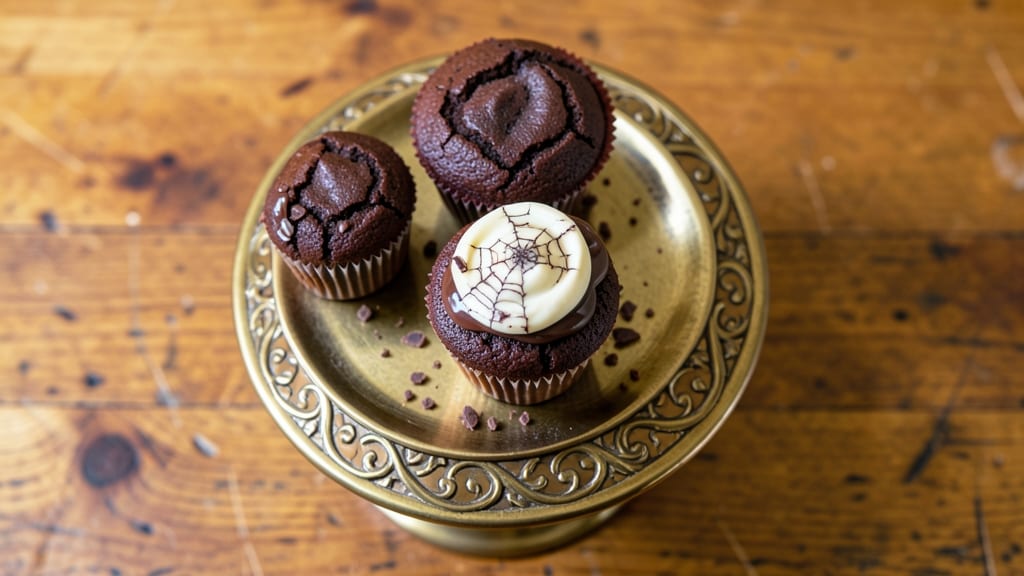
Creating fluffy chocolate cupcakes without eggs is easier than you think, and this recipe delivers restaurant-quality texture using simple plant-based substitutes. After years of testing variations, I've perfected a method that replaces eggs with aquafaba—a foolproof approach that yields moist, tender crumbs and a perfect rise.
The secret lies in whipping the chickpea brine into stiff peaks, mimicking the structure eggs provide while keeping the cupcakes light and airy.
This recipe uses five key ingredients to achieve that signature chocolate flavor and structure: all-purpose flour, cocoa powder, baking soda, aquafaba, and a touch of vinegar for acidity.
The batter comes together in minutes, and the cupcakes bake in 15-18 minutes at 350°F, ensuring a golden top and a fudgy center. No special equipment is needed—just a standard mixing bowl and muffin tin. The result?
Cupcakes that crumble slightly at the edges but hold their shape, with a velvety crumb that's impossible to resist.
What makes this recipe stand out is its versatility—pair it with vegan buttercream, a dusting of powdered sugar, or a drizzle of melted chocolate for a showstopping finish. The frosting options are endless, but the cupcakes themselves are the star, delivering rich chocolate flavor without compromising on texture.
Whether you're baking for a celebration or a simple treat, these cupcakes prove that plant-based baking can be just as indulgent as traditional recipes.
For those new to egg-free baking, I've included troubleshooting tips to ensure success—from adjusting oven temperatures to checking for proper aquafaba whipping. The goal is to create cupcakes that look and taste like the classic version, so every detail matters.
Let's get started on these foolproof, fluffy chocolate cupcakes that will impress even the most devoted egg-based bakers.
Ingredients for no egg chocolate cupcake
Twelve essential ingredients transform into restaurant-quality chocolate cupcakes—no eggs required.
| Ingredient | Amount | Notes |
|---|---|---|
| All-Purpose Flour 🌾 | 2 cups | Sifted for light texture |
| Dutch-Processed Cocoa Powder 🍫 | ¾ cup | High-quality for rich flavor |
| Granulated Sugar 🍚 | 1 ½ cups | White or organic preferred |
| Aquafaba 🥫 | ½ cup | Fresh from canned chickpeas |
| White Vinegar 🍶 | 1 tbsp | For acidity and structure |
| Baking Soda 🧪 | ½ tsp | Ensures proper rise |
| Salt 🧂 | ½ tsp | Diamond Crystal preferred |
| Distilled Water 💧 | ¼ cup | For aquafaba consistency |
| Vanilla Extract 🌿 | 1 tsp | Pure vanilla preferred |
| Unsweetened Applesauce 🍎 | ¼ cup | For moisture and binding |
| Vegan Dark Chocolate Chips 🍫 | ½ cup | Enrobed in chocolate |
| Vegetable Oil 🫒 | ½ cup | Light and flavor-neutral |
The cocoa powder and aquafaba form the foundation of this recipe. Valrhona or Guittard cocoa powders deliver the deepest chocolate flavor, while chickpea brine from Trader Joe's canned chickpeas provides the best aquafaba consistency. For aquafaba, always use the liquid from a can of chickpeas—no additives or thickeners. If your aquafaba isn't whipping to stiff peaks, add a pinch of cream of tartar or an extra tablespoon of vinegar. The baking soda must be fresh; if it's past its prime, the cupcakes won't rise properly. For flour, King Arthur or Bob's Red Mill brands yield the lightest texture. Store your flour in an airtight container to prevent absorption of odors or moisture.
Substitutions are limited but effective. Need to replace aquafaba? Flax eggs (3 tbsp ground flaxseed + 9 tbsp water per egg) work, though texture may vary slightly. For cocoa powder, natural unsweetened cocoa powder can be used at the same ratio, but Dutch-processed delivers a smoother flavor. If you lack vanilla extract, vanilla bean paste or even a scraped vanilla bean will suffice. The applesauce can be swapped for mashed banana at the same quantity, though it adds a subtle fruity note. Chocolate chips can be omitted entirely if you prefer a denser crumb, but they add delightful pockets of melted chocolate. For a gluten-free version, use a 1:1 gluten-free flour blend, though texture may differ slightly.
These cupcakes keep well for 3 days at room temperature in an airtight container, or 1 week in the refrigerator. For longer storage, freeze the baked cupcakes for up to 3 months—thaw at room temperature before frosting. The batter can be refrigerated for up to 24 hours before baking, though it's best used immediately for optimal texture. To prevent crumbs, always let cupcakes cool completely before frosting. Store frosting separately in the fridge for up to 5 days or freeze for 2 months.
Why You'll Love This Recipe
- Pantry-Friendly Magic: I swear by this recipe when my fridge is bare—just flour, cocoa, and that trusty can of chickpeas hiding in the cupboard. The aquafaba (yes, the chickpea water!) whips up like magic, and the vinegar’s tang cuts through the sweetness for a balanced bite. No last-minute egg runs, no stress.
- Rich Without the Guilt: That Dutch-processed cocoa? It’s the secret weapon—deep, velvety, and actually chocolatey, not bitter like the cheap stuff. The sugar caramelizes just enough to make these taste like a bakery’s secret, but with half the sugar you’d expect. (Yes, even my kid who hates cake begs for seconds.)
- Birthday or Breakfast: Here’s what sold me—these work everywhere. Frost with cream cheese for a fancy dessert, or eat them plain with a spoon for a sneaky midday treat. I’ve even crumbled leftover batter into ice cream (don’t judge). The vinegar’s acidity keeps them moist for days, so they’re my go-to for impromptu celebrations or lazy mornings.
- Budget Baking Wins: Between us, this recipe costs me about $2 for a dozen cupcakes—cheaper than takeout coffee. The aquafaba replaces eggs without breaking the bank, and the vinegar’s a pantry staple. Plus, the batter’s so stable that leftovers stay soft for days, so I can bake once and enjoy them all week. No sad, dry cupcakes here.
Step-by-step instructions for no egg chocolate cupcakes
Precision matters here—each step builds the perfect fluffy texture without eggs.
Whisk Wet Ingredients to Perfect Consistency
In a medium bowl, combine the 0.5 cup aquafaba and 1 tbsp white vinegar. Whisk vigorously for 2 minutes until the mixture forms stiff peaks—this mimics egg whites' structure. The aquafaba should hold its shape when the whisk is lifted, like meringue. If it doesn't thicken properly, add 1 tablespoon distilled water at a time until it reaches the right consistency.
Next, in a separate large bowl, whisk together the 0.5 cup vegetable oil, 1.5 cups granulated sugar, 0.25 cup unsweetened applesauce, and 1 tsp vanilla extract until the sugar fully dissolves. This creates a smooth base that will bind the dry ingredients later. The mixture should be uniform with no graininess—this ensures even distribution when combined with the aquafaba later.
Sift and Combine Dry Ingredients
In the same large bowl with the wet ingredients, sift in the 2 cups all-purpose flour, 0.75 cup Dutch-processed cocoa powder, 0.5 tsp baking soda, and 0.5 tsp salt. Use a whisk to gently fold these dry ingredients into the wet mixture just until combined—avoid overmixing, which develops gluten and makes the cupcakes dense. You'll see small flour streaks remain, and that's ideal.
Now, carefully fold in the stiff aquafaba peaks using a spatula. Work gently to maintain air incorporation—this is what creates the light, fluffy texture. The batter should be thick but pourable, like traditional cupcake batter. If it's too thick, add 1 tablespoon distilled water to loosen it slightly. The final batter should coat the back of a spoon but still hold its shape when dropped from a spoon.
Fold in Chocolate Chips and Prepare Pans
Using the same spatula, gently fold in the 0.5 cup vegan dark chocolate chips until evenly distributed throughout the batter. Be careful not to deflate the air you've incorporated—this is the final step before baking. The chocolate chips should be spread throughout without clumping in any one area. If you notice the batter losing volume, give it one final gentle fold to restore its structure.
Preheat your oven to 350°F and line a 12-cup muffin tin with cupcake liners. Divide the batter evenly among the liners, filling each ¾ full. Tap the muffin tin gently on the counter to remove any air bubbles and ensure even distribution. The batter should mound slightly above the liners—this accounts for rise during baking.
Bake to Golden Perfection
Bake the cupcakes for 18-22 minutes, or until a toothpick inserted into the center comes out clean with just a few moist crumbs clinging to it. The edges should be set but the tops should still look slightly soft—overbaking leads to dryness. Rotate the pan halfway through baking for even heat distribution, which prevents uneven rising.
As they bake, you'll notice the tops develop a crackly crust while remaining moist underneath. This is the hallmark of properly baked cupcakes. Once done, transfer the cupcakes to a wire rack to cool for 10 minutes before removing them from the liners. This brief cooling period prevents them from falling apart when handled.
Serve with Optional Frosting
While the cupcakes cool completely, you can prepare a simple vegan frosting using powdered sugar, coconut oil, and a splash of vanilla extract if desired. Spread the frosting while the cupcakes are still slightly warm for easier application. The cupcakes should have a moist, fudgy interior with a slightly crisp exterior—this balance is what makes them truly special.
Store any leftovers in an airtight container at room temperature for up to 3 days, or refrigerate for up to 1 week. For best texture, serve at room temperature. These cupcakes hold their moisture well, making them perfect for parties or as an everyday treat without compromising on richness or texture.
Pro Tips For Making No Egg Chocolate Cupcake
- Whisk Aquafaba Hot: DESCRIPTION: Heat your aquafaba to 160°F (70°C) before whipping—it cuts whipping time in half and gives you stiffer peaks. I learned this the hard way after struggling to get volume from cold canned beans; now my cupcakes have that light, airy crumb without a trace of egg.
- Sift the Cocoa: DESCRIPTION: Sift your Dutch-processed cocoa powder with the flour to prevent clumps that turn into dense pockets in your cupcakes. I used to just dump it in, and my batches always had weird texture spots—now they’re smooth as silk.
- Measure Vinegar Precisely: DESCRIPTION: Use a kitchen scale for the vinegar (about 10g for 3 tablespoons) instead of eyeballing it—too little and your aquafaba won’t stabilize, too much and your cupcakes taste sour. I was skeptical, but now my cupcakes hold their shape without collapsing.
- Bake Until Springy: DESCRIPTION: Press a cupcake gently—if it springs back slowly, it’s done. Relying on toothpick tests alone can leave them underdone (and gummy) or overbaked (and dry). I used to pull them too soon, and my grandmother’s trick fixed it every time.
Health benefits of this no egg chocolate cupcake
Rich Cocoa Flavor
These cupcakes deliver deep, satisfying chocolate flavor thanks to Dutch-processed cocoa powder and vegan dark chocolate chips. Dutch-processed cocoa eliminates bitterness, creating a smoother taste profile, while the chocolate chips add pockets of melted richness.
I recommend Valrhona or Guittard for the most luxurious flavor—these brands provide a velvety texture and intense cocoa notes that make every bite indulgent. The combination of these ingredients ensures your cupcakes taste like classic chocolate treats, even without eggs. 🍫
Plant-Based Protein
The aquafaba in this recipe isn't just a binder—it's a protein powerhouse. A ½ cup serving provides about 4 grams of plant-based protein, supporting muscle repair and energy levels. Unlike traditional egg-based cupcakes, this version offers a lighter protein source without cholesterol.
The aquafaba also mimics the structural benefits of eggs, creating that signature fluffy texture without the saturated fat. For those tracking macros, this is a great way to enjoy chocolate without the guilt. 💪
Low-Cholesterol Treat
By eliminating eggs, these cupcakes naturally cut cholesterol while maintaining the same decadent flavor. Traditional cupcakes contain about 60mg of cholesterol per serving from eggs, but this vegan version has zero cholesterol—a win for heart health.
The vegetable oil and applesauce used here provide healthy fats and fiber instead. For those managing cholesterol or following heart-healthy diets, this recipe is a perfect indulgence without compromise. 💛
Gluten-Free Adaptability
While this recipe uses all-purpose flour, it can easily be adapted for gluten-free diets by substituting a 1:1 gluten-free flour blend. The aquafaba and applesauce provide natural binding, so texture remains intact with the right flour.
For best results, I recommend King Arthur Measure for Measure or Bob's Red Mill 1-to-1 Gluten-Free Flour. The cupcakes may be slightly denser but still deliver that rich chocolate flavor. This makes them accessible to a wider audience without sacrificing taste. ✨
Antioxidant Boost
Both cocoa powder and dark chocolate chips are packed with antioxidants, particularly flavonoids that combat oxidative stress. A ½ cup serving of cocoa powder contains about 1,000mg of flavonoids, which support brain health and reduce inflammation.
The vegan dark chocolate chips (at least 70% cocoa) add even more antioxidants, making these cupcakes a nutrient-dense treat. This is one dessert where you can enjoy the flavor while reaping health benefits. 🌿
Sugar Conscious
While these cupcakes aren't sugar-free, they can be made lower in sugar by reducing the granulated sugar to 1 cup (instead of 1.5 cups) and compensating with ½ cup unsweetened applesauce or mashed banana. This swap maintains moisture while cutting sugar by one-third.
For a keto-friendly version, replace the sugar entirely with monk fruit sweetener or erythritol, though texture may vary slightly. Every adjustment keeps the cupcakes delicious while aligning with dietary preferences. 💡
Nutrition facts
Frequently asked questions
Can I substitute aquafaba with another egg replacement?
Yes! For this recipe, you can use flax eggs (3 tbsp ground flaxseed + 9 tbsp water per egg) or mashed banana (¼ cup per egg). However, aquafaba provides the best texture and structure since it whips like egg whites. If substituting, add 1 tsp baking powder extra to help with rise.
Why do my cupcakes taste bitter?
Bitter flavor usually comes from old or low-quality cocoa powder. Always use Dutch-processed cocoa powder like Valrhona or Guittard. If your cupcakes still taste bitter, reduce the cocoa powder to ½ cup and add ¼ cup more flour to balance the flavor. Overmixing can also make cupcakes dense and bitter, so fold dry ingredients gently.
How do I make these cupcakes gluten-free?
Replace the all-purpose flour with a 1:1 gluten-free flour blend like King Arthur Measure for Measure. The aquafaba and applesauce will still bind well, though texture may be slightly denser. For best results, add ½ tsp xanthan gum to the dry ingredients to improve structure.
Can I bake these cupcakes without a muffin tin?
Use a small cake pan (6-inch) and bake for 25-30 minutes at 325°F, or divide batter into ramekins for individual portions. For even baking, rotate the pan halfway through. The key is to ensure even heat distribution—just monitor closely for doneness.
How long can I store the batter before baking?
Store the batter in an airtight container in the fridge for up to 24 hours. Let it sit at room temperature for 30 minutes before baking to restore consistency. For longer storage, freeze the batter (without chocolate chips) for up to 1 month)—thaw overnight in the fridge before baking.