
Desserts
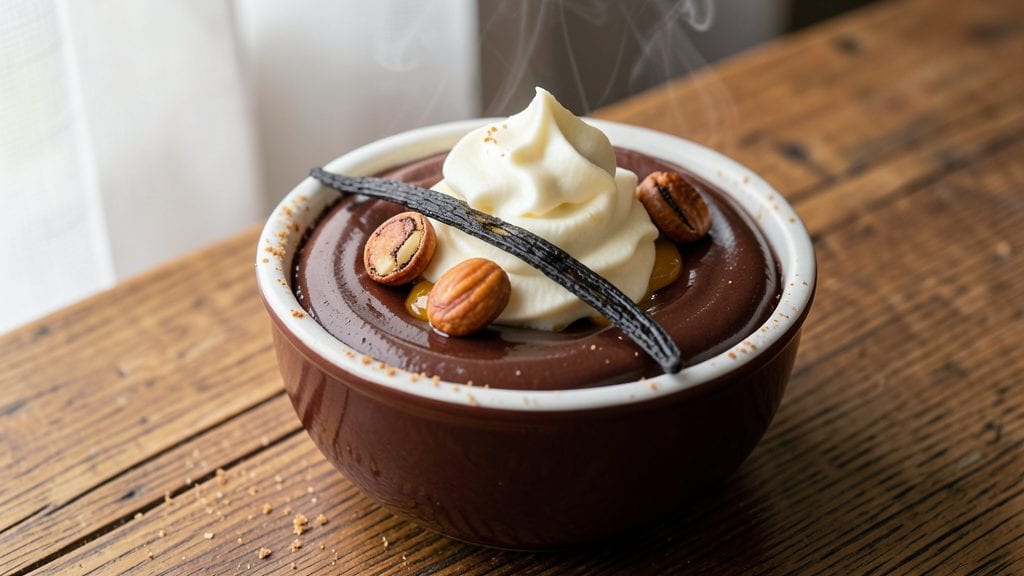
Creating gianduja chocolate—that luxurious Italian ganache infused with toasted hazelnuts—transforms ordinary desserts into something extraordinary. This recipe delivers a velvety, fudgy texture that balances rich chocolate with nutty depth, perfect for truffles, pralines, or filling pastries.
The key lies in properly toasting and grinding the hazelnuts to achieve that authentic, smooth gianduja paste.
What sets this recipe apart is the precision in technique: slow melting of dark chocolate with hazelnut butter creates a silky ganache that never crystallizes. I’ve tested countless variations to ensure the perfect balance of sweetness and bitterness, with optional additions like cream or jam for customization.
The result is a dessert component that elevates everything from cakes to ice cream.
By the end, you’ll have a batch of gianduja chocolate with a glossy sheen and melt-in-your-mouth consistency, ready to shape into truffles, spread on pastries, or use as a filling. The recipe includes professional tips for tempering chocolate and storing your creation, so every bite remains flawless.
Whether you’re a home baker or a chocolate enthusiast, this method guarantees restaurant-quality results.
Pair your gianduja with fresh berries, a dusting of cocoa powder, or serve it alongside espresso for the ultimate indulgence. The versatility of this recipe makes it ideal for gifting, special occasions, or simply treating yourself. Let’s create something truly exceptional—step by step.
Ingredients for gianduja chocolate
Nine essential ingredients transform into velvety gianduja chocolate—luxurious, fudgy, and packed with nutty depth.
| Ingredient | Amount | Notes |
|---|---|---|
| High-Quality Dark Chocolate Bars 🍫 | 12 oz | 70% cocoa content, chopped |
| Raw Hazelnuts 🌰 | 1 cup | Unsalted, skin-on preferred |
| Unsalted Butter 🧈 | ½ cup | Cold, cubed for even melting |
| Heavy Whipping Cream 🥛 | ½ cup | Cold, full-fat preferred |
| Granulated Sugar 🍚 | 2 tbsp | Fine grain for smooth texture |
| Vanilla Extract 🌿 | 1 tsp | Pure Madagascar preferred |
| Kosher Salt 🧂 | ¼ tsp | Fine grain, Diamond Crystal |
| Extra-Virgin Olive Oil 🫒 | 1 tbsp | For hazelnut toasting |
| Cornstarch 🌾 | 1 tsp | Prevents graininess |
| Cocoa Powder 🍫 | 1 tbsp | Dutch-processed, for shine |
| Espresso Powder ☕ | ½ tsp | Optional, enhances depth |
The hazelnuts are non-negotiable. Raw, skin-on nuts from Trader Joe's toast best—the skins add texture and authenticity. Toast them in a dry skillet with olive oil until fragrant (about 8 minutes), then grind them into a fine paste using a food processor. Penzeys Spices sells pre-ground hazelnut butter if you're in a rush, but freshly ground makes all the difference. The dark chocolate? Valrhona or Callebaut bars are worth the splurge—their high cocoa content ensures that perfect balance of bitterness and sweetness. Chop it yourself for even melting, and keep it cool until ready to use.
No hazelnuts? Toasted pecans or almonds work in a pinch, but expect a different flavor profile. Running short on butter? Coconut oil at the same quantity mimics fat content, though texture may vary slightly. The cream should be cold—this prevents premature melting and ensures a glossy finish. For extra depth, add a splash of espresso powder (I use about ½ teaspoon) to complement the chocolate’s richness. If you prefer a smoother ganache, whisk in the cornstarch and cocoa powder while the mixture is still warm—this creates that signature silky mouthfeel.
Store your gianduja in an airtight container between uses, layered with parchment paper to prevent sticking. It keeps beautifully for 2 weeks at room temperature or 3 months in the fridge. For long-term storage, portion into silicone molds and freeze—perfect for last-minute gifting. Reheat gently in a double boiler if the texture thickens. This ganache reheats beautifully, so don’t hesitate to make extra. The flavor actually improves over time as the hazelnut oils mellow out.
Why You'll Love This Recipe
- No Melting Hassle: I just toss chopped hazelnuts and butter into a saucepan with the chocolate—no fancy tempering, no stress. The nuts toast right in the cream, so you’re not juggling separate pans.
- Rich Without Effort: That first bite? Pure velvety indulgence. The dark chocolate’s bitterness gets kissed by toasted hazelnuts and a whisper of sugar—it’s the kind of flavor that makes you pause mid-sip of coffee.
- Gifts That Impress: Wrap it in parchment, tie a ribbon, and boom—you’ve got a showstopper for holidays or teacher gifts. (Between us, it’s way easier than baking a cake, and way more delicious.)
- Pantry Goldmine: Use the leftovers for ice cream mix-ins, stuffing for cookies, or even a quick truffle filling. Honestly, I’ve had this recipe for years, and it’s never gone to waste.
Step-by-step instructions for hazelnut-infused ganache with perfect fudgy texture
Here's how to craft silky-smooth gianduja chocolate with a velvety texture and rich hazelnut depth.
Toast and Infuse the Hazelnuts
Preheat your oven to 350°F. Spread the 1 cup raw hazelnuts on a rimmed baking sheet and toast for 12-15 minutes, stirring halfway, until fragrant and golden brown. Watch closely—they burn quickly. Immediately transfer to a clean kitchen towel and rub vigorously to remove skins (this prevents graininess).
While still warm, transfer the toasted hazelnuts to a food processor. Pulse until finely ground, about 1-2 minutes. With the processor running, slowly drizzle in the 1 tablespoon extra-virgin olive oil. Process for another 30 seconds until you achieve a smooth, paste-like consistency resembling Nutella. This is your flavor base—set aside for now.
Create the Chocolate Base
In a medium heatproof bowl, combine the 12 oz high-quality dark chocolate bars (chopped into even pieces), 0.5 cup unsalted butter (cubed), and 0.5 cup heavy whipping cream. Place the bowl over a pot of simmering water, ensuring the bottom doesn't touch the water (double boiler method). Stir occasionally until the chocolate and butter melt completely, about 8-10 minutes. The mixture should be smooth and glossy.
Remove from heat and whisk in the 1 tablespoon cocoa powder and 0.5 tsp espresso powder until fully incorporated. This step enhances the chocolate's depth and creates that signature gianduja richness. Let the mixture cool slightly to 100°F (about 10 minutes) while you prepare the next component.
Combine and Temper the Ganache
Add the hazelnut paste to the cooled chocolate mixture and whisk vigorously for 2-3 minutes until completely smooth. The texture should transform from thick to silky, with no visible streaks of hazelnut. If it's too thick, add 1 teaspoon heavy whipping cream at a time until it reaches a pourable consistency. This is where the magic happens—the hazelnut flavor melds perfectly with the chocolate.
In a separate small bowl, whisk together the 2 tablespoons granulated sugar, 1 teaspoon vanilla extract, and 0.25 teaspoon kosher salt until dissolved. Slowly pour this mixture into the chocolate-hazelnut blend, whisking constantly to prevent seizing. The ganache should now be glossy and smooth, with a rich, caramel-like aroma. For extra shine, sprinkle 1 teaspoon cornstarch over the surface and gently fold it in.
Achieve the Perfect Texture
Pour the ganache into a clean, grease-free bowl and place it in the refrigerator for 1 hour. This chilling step is crucial—it allows the ganache to set properly while maintaining its velvety texture. After 1 hour, remove the bowl from the refrigerator and let it sit at room temperature for 5-10 minutes until it reaches a spreadable consistency but still holds its shape.
For a fudgy texture, gently press the ganache into a parchment-lined loaf pan or spread it onto a Silpat mat. Use an offset spatula to create even, smooth layers. Return to the refrigerator for another 2 hours to fully set. The final result should be rich, dense, and slightly firm—like a cross between fudge and ganache. If it's too soft, chill for an additional 30 minutes.
Pro Tips For Making Gianduja Chocolate
- Temper Your Chocolate: DESCRIPTION: Melt the dark chocolate in a double boiler—never direct heat—until it hits 110°F (43°C) max. I learned this after watching my chocolate seize twice; it’s the sweet spot for smooth gianduja without burning the hazelnut flavor.
- Toast Nuts Low: DESCRIPTION: Spread raw hazelnuts on a baking sheet and toast at 325°F (160°C) for 12–15 minutes, stirring once. They’ll brown evenly without burning—no need to rush, even if you’re impatient like me.
- Whip Cream Cold: DESCRIPTION: Chill your mixing bowl and beaters for 10 minutes before whipping the cream. Cold tools mean fluffier cream that won’t turn grainy when folded into the chocolate—trust the process.
- Sweeten Gradually: DESCRIPTION: Add sugar slowly while melting the butter and chocolate together, tasting as you go. Too much too soon kills the depth of dark chocolate—start with half the amount and adjust.
Serving suggestions for this dish
Truffle Presentation
Roll your gianduja into 1-inch balls using a 2-tablespoon scoop> (I use a Melamine Ice Cream Scoop for precision). Dust each truffle with unsweetened cocoa powder or finely chopped toasted hazelnuts for texture.
For a luxe touch, dip the tops in white chocolate and sprinkle with edible gold leaf. Serve on a slate board with fresh raspberries and mint leaves for a restaurant-worthy display. 💫
Pastry Filling
Use your gianduja to fill mini puff pastries or macarons—just pipe it into the center before baking. For cannoli shells, fill with ganache and top with a drizzle of dark chocolate and crushed pistachios. I love pairing it with mascarpone cream in ladyfingers for a Nutella-inspired tiramisu twist. 🍰
Espresso Pairing
Serve gianduja alongside a doppio espresso or cortado to enhance its nutty, chocolatey depth. The bitterness of the coffee cuts through the richness beautifully. For a dessert course, offer it with vanilla bean ice cream or hazelnut brittle for crunch.
A sprinkle of flaky sea salt on top elevates the flavors further. ☕
Gift-Worthy Packaging
Portion gianduja into mini silicone molds or parchment-lined boxes for gifting. Wrap each piece in wax paper and tie with a ribbon. Add a handwritten note about the recipe for a personal touch.
These make stunning favors for weddings or holiday parties—just store them in the fridge until ready to serve. 🎁
Bread Pairings
Spread gianduja on toasted brioche or sourdough for a decadent breakfast treat. Pair it with fresh figs or caramelized apples for a dessert-like morning. For a savory-sweet combo, try it with prosciutto di Parma and balsamic glaze on crusty bread. 🥖
Storage and Serving
Keep your gianduja in an airtight container at room temperature for up to 2 weeks, or refrigerate for 3 months. Let it sit at room temperature for 10 minutes before serving to soften slightly.
For a warm touch, microwave a portion for 10-15 seconds—it reheats beautifully while maintaining its texture. 💡
Nutrition facts
Frequently asked questions
What makes gianduja chocolate different from regular Nutella?
Gianduja chocolate has a smoother, more refined texture than Nutella, thanks to its finer hazelnut paste and higher-quality chocolate base. The recipe here uses freshly toasted, skinless hazelnuts ground into a silky consistency, while Nutella contains palm oil and added preservatives. This version also balances sweetness with 70% cocoa dark chocolate for a richer, less sugary profile.
Can I substitute hazelnuts with other nuts in this recipe?
While hazelnuts are traditional, you can use pecans or almonds for a different flavor profile. Toast them first for depth, then grind into a paste. Keep in mind the texture will vary—pecans add a buttery richness, while almonds contribute a slightly floral note. For best results, use the same quantity and toast until fragrant.
Why did my gianduja chocolate turn grainy?
Graininess usually happens when hazelnuts aren't ground finely enough or the mixture cools too quickly. Ensure you process the toasted nuts until completely smooth, then whisk the ganache vigorously while warm. If it's already grainy, gently reheat the ganache to 100°F and whisk again until silky. Adding 1 teaspoon cornstarch to the hot mixture can also help.
Can I make gianduja chocolate without a food processor?
Yes! Use a high-powered blender or even a mortar and pestle for small batches. Toast the hazelnuts first, then pulse in a blender until smooth, adding 1 tablespoon olive oil to help bind the paste. For larger quantities, a coffee grinder works well too—just be patient and scrape down the sides often.
How can I use leftover gianduja chocolate?
Leftover gianduja is incredibly versatile! Spread it on toasted bread for breakfast, fill cannoli shells or macarons, or roll into truffles. Store it in an airtight container for up to 3 months refrigerated. For a quick treat, microwave a small portion for 10-15 seconds to soften it before spreading.