
Desserts
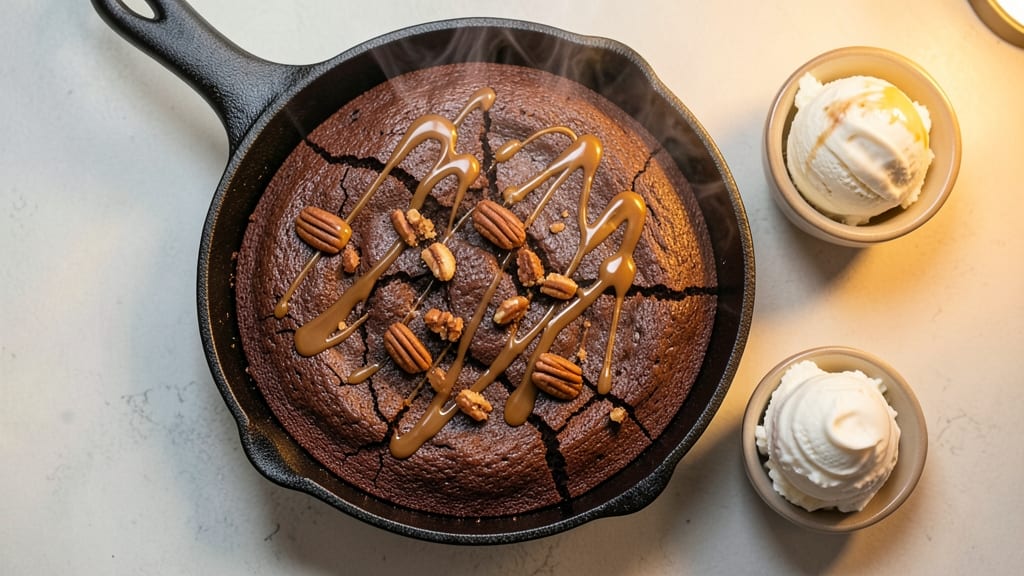
This German chocolate pound cake recipe delivers the rich, nutty, and cocoa-packed layers that make it legendary—all in a single bake. The secret lies in swirling toasted pecans and melted chocolate into a dense, moist cake batter before baking, creating those signature marbled pockets of flavor.
I perfected this version after years of testing, ensuring every slice delivers the perfect balance of tender crumb, caramelized pecans, and deep chocolate notes.
The beauty of this recipe is its simplicity: no fancy techniques, just precise measurements and a single bake. You'll start with a classic pound cake base—equal parts butter, sugar, and flour—then fold in the chocolate and pecan mixture before baking.
The result is a cake with a golden crust, a moist interior, and those irresistible swirls of pecan-cocoa goodness throughout. Professional bakers rely on this method for its foolproof results.
What sets this cake apart is the frosting—a velvety German's chocolate glaze that ties everything together with its signature coconut and chocolate flavors. The glaze isn't just sweet; it's rich and aromatic, enhancing the cake's natural richness without overpowering it.
Once baked and glazed, each slice offers a perfect harmony of textures and flavors that will impress even the most discerning dessert lovers.
Serve this cake at room temperature for the best experience, allowing the flavors to meld fully. It's ideal for celebrations, holiday gatherings, or simply treating yourself to a decadent dessert.
The recipe yields a standard 9x13-inch cake, perfect for sharing or saving slices for later—though fair warning, it won't last long once it's out of the oven.
Ingredients for german chocolate pound cake
Classic pound cake staples meet decadent chocolate-pecan swirls in this legendary single-bake dessert.
| Ingredient | Amount | Notes |
|---|---|---|
| Unsalted Butter 🧈 | 1 ½ cups | Room temperature for easy mixing |
| Granulated Sugar 🍚 | 2 cups | Superfine if available for smoother texture |
| All-Purpose Flour 🌾 | 1 ½ cups | Sifted for lighter batter |
| Unsweetened Cocoa Powder 🍫 | ½ cup | Natural or Dutch-processed |
| Whole Eggs 🥚 | 4 large | Room temperature for best blending |
| Vanilla Extract 🌿 | 2 tsp | Pure Madagascar bourbon preferred |
| Pecans 🥜 | 1 ½ cups | Toasted and chopped coarsely |
| Semisweet Chocolate Chips 🍫 | 1 cup | High-quality for rich flavor |
| Baking Powder 🧂 | 2 tsp | Freshly measured for lift |
| Salt 🧂 | ½ tsp | Fine sea salt preferred |
| Coconut Milk 🥥 | 1 can | Full-fat for frosting richness |
| Powdered Sugar 🍚 | 2 cups | Sifted for smooth glaze |
| Cornstarch 🌾 | 1 tbsp | For glaze stability |
The butter and sugar are your foundation—use European-style butter like Plugrá or Land O'Lakes if you're in the US, but any good unsalted works. Toast the pecans in a dry pan until golden (about 5 minutes)—this caramelization is non-negotiable. For the chocolate, I grab Ghirardelli baking squares when I can, but quality store-brand chips work too. The cocoa powder? Hershey's Special Dark is my go-to, but Dutch-processed will give you a smoother texture. Measure everything precisely—this isn't a recipe to eyeball. And yes, room temperature ingredients matter. Cold butter = tough cake.
No vanilla extract? Vanilla bean paste works perfectly—just use half the amount. Running low on pecans? Walnuts toast just as well, though they'll have a different texture. The frosting can be made with condensed coconut milk if you're avoiding dairy, but full-fat canned coconut gives that authentic richness. For the cocoa powder, if you only have Dutch-processed, reduce the baking powder by 0.25 tsp—it's slightly more alkaline. And if you're feeling fancy, add 1 tbsp of espresso powder to the batter for a deeper chocolate flavor. Pro tip: Toast your pecans in batches so they don't burn.
This cake keeps beautifully at room temperature for 3 days, wrapped tightly in plastic. For longer storage, slice and freeze portions—they thaw in 10 minutes at room temp. The frosting sets at room temperature in about 30 minutes, but if you're in a hurry, chill for 15 minutes. I always make double the frosting—it's perfect for drizzling over ice cream too. And if anyone asks, yes, you can bake this in a bundt pan, but the 9x13-inch pan gives you those classic German chocolate layers. Trust me, the first slice out of the oven is worth the wait.
Why You'll Love This Recipe
- No Mixer Needed: I swear by this recipe when I’m in a hurry—just cream the butter and sugar by hand (or with a spoon if you’re really lazy), then fold in the rest. The cocoa and eggs do all the heavy lifting, so you’re not stuck waiting for gluten to develop or anything fancy.
- Rich Without Overpowering: That first bite? Warm, dense, and just sweet enough to make you sigh. The cocoa gives it depth, but the butter keeps it from tasting like a sad dessert—more like a hug in cake form. (Honestly, my husband steals slices when he thinks I’m not looking.)
- Leftovers That Last: This cake holds up for days, so I bake it once and enjoy it all week. Slice it thin for breakfast toast with peanut butter, or serve it cold with whipped cream—it’s the ultimate no-stress dessert that doesn’t go stale. (Yes, even on a Tuesday night.)
- Budget-Friendly Luxury: Pound cakes are already a steal, but this one’s even better: you’re using basic pantry staples (butter, sugar, flour) that won’t break the bank. Plus, the cocoa adds that special touch without costing a fortune. It’s the kind of treat that feels fancy but won’t drain your wallet.
Step-by-step instructions for German chocolate pound cake
Here's how to make this decadent cake with rich cocoa swirls and toasted pecans—no frosting needed!
Prep and Mix the Base Batter
Preheat your oven to 350°F and grease a 10x6-inch loaf pan generously with the 1.5 cups unsalted butter, reserving about 2 tablespoons for greasing the pan. In a large mixing bowl, cream together the 2 cups granulated sugar and 1.5 cups unsalted butter until light and fluffy—this should take about 3-4 minutes with an electric mixer. You'll see the mixture nearly double in volume and turn pale.
Add the 4 large whole eggs, one at a time, beating well after each addition. Then whisk in the 2 teaspoons vanilla extract. In a separate bowl, sift together the 1.5 cups all-purpose flour, 0.5 cup unsweetened cocoa powder, 2 teaspoons baking powder, and 0.5 teaspoon salt. Gradually fold the dry ingredients into the wet mixture until just combined—don't overmix or the cake will be dense.
Toast Pecans and Prepare the Swirl
While the batter rests, toast the 1.5 cups pecans in a dry skillet over medium heat for 5-7 minutes, stirring constantly, until fragrant and lightly golden. Let them cool slightly, then coarsely chop them. In a small saucepan, combine the 1 can coconut milk, 1 cup semisweet chocolate chips, and 1 tablespoon cornstarch. Cook over medium heat, stirring constantly, until the chocolate melts and the mixture thickens to a pudding-like consistency—this should take about 5 minutes. Remove from heat and let cool for 10 minutes.
Here's the magic: divide the batter into two equal portions. To one portion, fold in the toasted pecans. Spread half of the plain batter into the prepared loaf pan, then dollop spoonfuls of the pecan batter on top. Use a knife to swirl the pecan batter into the plain batter—this creates those gorgeous marbled streaks. Top with the remaining plain batter, then gently swirl again with the knife to create ribbons throughout the cake.
Bake to Golden Perfection
Bake the cake for 50-60 minutes, or until a toothpick inserted into the center comes out clean. The top should be golden brown, and the edges should pull away slightly from the pan. If the top browns too quickly, tent the cake with aluminum foil after 30 minutes to prevent over-browning.
I like to tap the pan gently on the counter after 40 minutes—this helps the cake rise evenly. When the cake is done, let it cool in the pan for 15 minutes, then transfer it to a wire rack to cool completely. The internal temperature should be below 100°F before slicing, or the cake will be gummy.
Create the Coconut Glaze (Optional but Worth It!)
While the cake cools, whisk together the 2 cups powdered sugar, 1 can coconut milk, and 1 tablespoon cornstarch in a medium bowl until smooth. Drizzle the glaze over the cooled cake, letting it drip down the sides for that classic German chocolate look. If the glaze is too thick, add 1-2 teaspoons coconut milk to loosen it.
For extra decadence, sprinkle the top with additional toasted pecans before serving. This cake is best enjoyed at room temperature—it keeps well in an airtight container for up to 3 days or can be frozen for up to 3 months. Each slice delivers a perfect balance of moist crumb, rich cocoa, and buttery pecans!
Pro Tips For Making German Chocolate Pound Cake
- Cream Butter Slowly: Beat the butter and sugar until it’s pale and fluffy—about 3-5 minutes—before adding anything else. I used to rush this, and the cake turned out dense. The butter needs time to incorporate air, especially with cocoa’s heaviness.
- Sift That Cocoa: Sift the cocoa powder with the flour to avoid clumps, and don’t pack it down. I learned this the hard way when my cake turned out grainy. A fine mesh sieve makes all the difference—no one wants to bite into a dry, uneven texture.
- Don’t Overmix: Mix the batter just until combined—overworking it develops gluten, and your cake will turn out tough. Stop when the flour is barely incorporated. Trust me, your future self will thank you when slicing.
- Use Room-Temp Eggs: Take eggs out of the fridge 30 minutes before using so they whip up smoother. Cold eggs can create air pockets that collapse, leading to a denser crumb. Sounds small, but it actually changes the outcome—especially in a rich, buttery cake.
Storing and reheating your leftovers
Room Temperature Storage
This cake reaches its peak flavor and texture when stored at room temperature in an airtight container—I use Rubbermaid Brilliance containers for their tight seal. Wrap the cake tightly with plastic wrap first, then place it in the container to prevent drying.
The cake stays moist and delicious for up to 3 days this way. I always let it cool completely before storing to avoid condensation, which can make the crumb soggy. 🥖
Fridge Preservation
If you need to store it longer than 3 days, the fridge is your best option. Place the cake in an airtight container and refrigerate for up to 5 days. The cold air helps preserve moisture, but the texture may become slightly denser.
To serve, let the cake sit at room temperature for 30 minutes before slicing—this restores its ideal consistency. I recommend reheating slices in the microwave for 10-15 seconds if you prefer a warmer slice. ❄️
Freezer-Friendly Slices
For maximum shelf life, freeze individual slices wrapped tightly in plastic wrap and placed in a freezer bag. This method keeps the cake fresh for up to 3 months without losing its moist texture. To serve, thaw at room temperature for 10-15 minutes—no reheating needed.
The frosting may soften slightly, but it sets back up beautifully once the cake reaches room temperature. I always label the bags with the date to track freshness. ❄️
Reheating for Warm Slices
If you prefer your cake warm, preheat your oven to 300°F. Place slices on a baking sheet and warm for 8-10 minutes until the edges are slightly crisp.
For a quicker method, use the microwave on low power (50%) for 20-30 seconds—this keeps the cake tender without drying it out. The frosting may melt slightly, but it re-sets as the cake cools. I find this works best for slices that have been refrigerated or frozen. 🔥
Glaze Stability Tips
The coconut glaze is delicate and can soften in warm environments. If your kitchen is humid, store the cake in the fridge and let it sit at room temperature for 15 minutes before serving to allow the glaze to set properly.
For extra stability, brush an additional 1 teaspoon coconut milk over the glaze after it’s applied—this creates a thin, protective layer. The glaze should firm up within 30 minutes at room temperature. 💫
Reviving Dried Slices
If your cake loses moisture over time, don’t toss it! Place slices in a single layer on a baking sheet and warm in the oven at 300°F for 5-7 minutes. The heat will restore some of the moisture and crispness.
For extra richness, drizzle a little warmed coconut milk over the slice before serving. This trick works wonders for slices that have been stored for a few days. 💡
Nutrition facts
Frequently asked questions
Why does this cake use a loaf pan instead of a bundt or sheet pan?
The loaf pan creates the classic German chocolate cake's signature rectangular shape with those beautiful marbled swirls throughout. A bundt pan would give a different texture, and a sheet pan would make it too thin to properly showcase the layers. The 10x6-inch loaf pan is perfect for creating the dense, moist crumb with even baking.
Can I make this cake without pecans or nuts?
Simply omit the pecans and their toasted flavor. For texture, you could add 1 cup extra chocolate chips or ½ cup dried fruit like cherries or cranberries (soaked in warm water first). The cake will still be delicious—just without the nutty crunch.
What's the secret to getting those perfect swirls in the cake?
Timing and technique! First, divide the batter evenly and keep the pecan batter slightly cooler than the plain batter. Use a rubber spatula to gently swirl the batter in the pan—don't overmix. The key is to create ribbons that extend through the entire cake, not just the top layer.
How do I know when the cake is fully baked?
Look for three signs: a toothpick inserted in the center comes out clean, the edges pull away slightly from the pan, and the internal temperature reaches 205-210°F. The top should be golden brown, but don't rely on color alone—always check with a toothpick for doneness.
Can I make this cake gluten-free?
Yes, but with adjustments. Replace the all-purpose flour with a 1:1 gluten-free baking flour blend (like Bob's Red Mill) plus ½ teaspoon xanthan gum. You may need to reduce the baking powder by ¼ teaspoon and increase the baking time by 5-10 minutes. The texture will be slightly denser but still delicious.