
Desserts
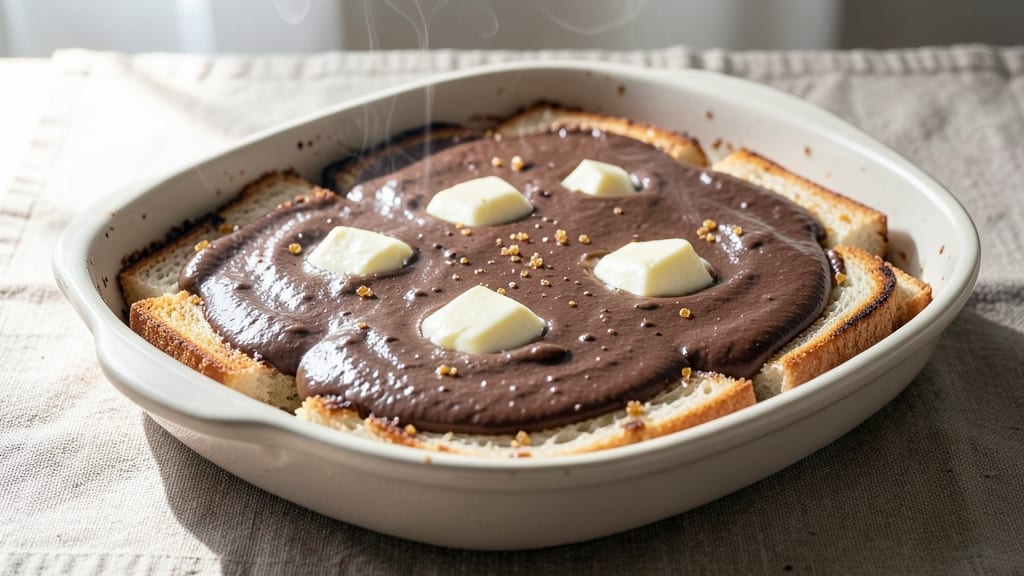
Delia Smith's chocolate bread and butter pudding recipe delivers the ultimate British dessert experience—rich, velvety custard swirled with toasted cocoa crunch. This classic recipe transforms simple ingredients into a decadent, golden dessert that's been a staple in British homes for generations.
The secret lies in layering buttered bread with a perfectly balanced chocolate custard, baked until the edges are crisp and the center remains silky.
What sets this recipe apart is the delicate balance of flavors: the warmth of vanilla, the depth of cocoa, and the subtle crunch of toasted bread.
Delia Smith's method ensures every slice delivers that signature combination of creamy custard and buttery bread, with a hint of chocolate that makes it irresistible. The baking time is precise—just enough to create that signature golden crust while keeping the inside tender and luscious.
This isn't just a dessert; it's a comforting, nostalgic treat that feels like a hug in food form. The custard is smooth and rich, the bread is perfectly buttered and slightly crisp, and the chocolate adds that extra layer of indulgence.
Whether you're serving it warm with a dollop of whipped cream or enjoying it at room temperature, the flavors are always harmonious and satisfying.
Perfect for special occasions or as a comforting treat on a chilly evening, this recipe is sure to become a family favorite. The steps are straightforward, but the result is anything but basic—it's a dessert that feels like a masterpiece. Let's get started on creating this timeless classic.
Ingredients for delia smith chocolate bread and butter pudding
Simple pantry staples transform into Delia Smith's iconic dessert—creamy custard meets buttery bread with a cocoa swirl.
| Ingredient | Amount | Notes |
|---|---|---|
| White Bread Loaf 🍞 | 1 whole | Stale or lightly toasted for texture |
| Unsalted Butter 🧈 | ¾ cup | Softened for spreading |
| Milk 🥛 | 2 cups | Whole milk for creaminess |
| Heavy Cream 🥛 | ½ cup | Full-fat for richness |
| Large Eggs 🥚 | 4 whole | Room temperature preferred |
| Granulated Sugar 🍚 | ¾ cup | White sugar preferred |
| Vanilla Extract 🍯 | 1 tbsp | Pure extract, not imitation |
| Cocoa Powder 🍫 | ½ cup | Dutch-processed for smoothness |
| All-Purpose Flour 🌾 | ¼ cup | For thickening custard |
| Salt 🧂 | ¼ tsp | Fine sea salt preferred |
| Dark Chocolate Chips 🍫 | ½ cup | 70% cocoa for depth |
| Powdered Sugar 🍚 | ¼ cup | For dusting before baking |
The bread is non-negotiable—stale or lightly toasted slices create that signature crunch. I always use a crusty white loaf from Whole Foods or Waitrose for the best texture, but any good-quality bread works. For the butter, Plugrá or President are British favorites, but any unsalted butter will do. The key is spreading it generously between layers—about 1 tbsp per slice—to ensure that buttery richness that defines this pudding. If you can't find Dutch-processed cocoa powder, Cadbury or Nestlé are reliable alternatives, though they may darken the custard slightly more.
No vanilla extract? Vanilla bean paste or even a scraped vanilla pod works in a pinch. For the chocolate, 70% dark chocolate chips give the best balance of richness and bitterness—avoid milk chocolate, which can make the pudding taste too sweet. If you're using a mix of cocoa powder and chocolate chips, toast the cocoa in a dry pan for 1 minute to deepen its flavor. The custard relies on a roux of butter and flour, so don't skip the thickening step—it ensures the pudding holds its shape. For a lighter texture, whisk the eggs until slightly frothy before adding them to the custard mixture.
This pudding tastes even better the next day, so bake it ahead if possible. Store leftovers in the fridge for up to 3 days, covered tightly. To reheat, warm slices in the oven at 300°F for 5-10 minutes until the custard is just warmed through. For a restaurant-worthy finish, dust with powdered sugar and serve with a dollop of whipped cream or a scoop of vanilla ice cream. The pudding freezes beautifully too—portion into slices, wrap tightly, and freeze for up to 2 months. Just thaw overnight in the fridge before serving.
Why You'll Love This Recipe
- No Chopping Needed: I swear by this trick—just tear that stale bread into chunks, no knife required. The butter and cream melt into those cubes like they’re meant to be, turning everything silky without a single crust to fight.
- Rich Without Effort: That first bite? Pure decadence. The eggs and heavy cream create a custard so smooth, while the dark chocolate (yes, you’ll need to add a bar or two) turns it into something that tastes like a dessert but still feels like comfort food. Honestly, it’s the kind of thing that makes you question why you ever bought fancy pudding mixes.
- Leftovers That Beg for More: This recipe actually improves the next day—crispy edges soften just right, and the flavor deepens. I’ve reheated slices in the oven for breakfast or packed them in lunchboxes, and no one ever complains. (Yes, even my picky son.)
- Pantry Staple Magic: You’re probably already staring at these ingredients right now: bread, butter, milk, eggs. No specialty items, no last-minute grocery runs. Between us, I’ve made this with day-old bread and stale loaves—it’s the kind of recipe that turns scraps into something people will fight over.
Step-by-step instructions for Delia Smith's chocolate bread and butter pudding
Here's the method for creating a decadent, velvety chocolate bread pudding with rich cocoa swirls.
Prepare the Bread Base
Cut the 1 whole white bread loaf into ½-inch thick slices using a serrated knife. Arrange the slices in a single layer on a baking sheet and lightly toast them in a 350°F oven for 5-7 minutes until they're just firm to the touch. This step prevents a soggy pudding while maintaining texture.
While the bread toasts, melt the ¾ cup unsalted butter in a small saucepan over low heat, stirring until completely smooth. Remove from heat and let it cool slightly. This melted butter will create a luscious, binding layer between the bread slices and custard mixture.
Assemble the Pudding Layers
In a 9x13-inch baking dish, spread half of the toasted bread slices in an even layer. Drizzle half of the melted butter over the bread, then sprinkle ¼ cup of the cocoa powder evenly over the top. This creates the signature chocolate swirl effect when combined with the custard.
Repeat with the remaining bread slices, melted butter, and cocoa powder. The cocoa should be distributed lightly—just enough to create visible streaks when the custard is poured. This layering technique ensures each bite contains both bread and chocolate elements.
Make the Custard Mixture
In a large bowl, whisk together the 4 whole large eggs, ¾ cup granulated sugar, 1 tablespoon vanilla extract, and ¼ teaspoon salt until the mixture is pale and slightly thickened. This step incorporates air into the custard, creating a lighter texture.
Gradually whisk in the 2 cups milk and ½ cup heavy cream until completely smooth. Then, sift in the ¼ cup all-purpose flour and remaining ¼ cup cocoa powder, whisking continuously to prevent lumps. The mixture should be thick but pourable—like heavy cream.
Combine and Bake
Pour the custard mixture evenly over the layered bread in the baking dish. Gently press down on the bread to help it absorb the custard, then fold the edges to create a neat rectangle. Sprinkle the ½ cup dark chocolate chips evenly over the top.
Let the pudding rest at room temperature for 30 minutes to allow the bread to fully absorb the custard. Preheat your oven to 325°F. Bake the pudding for 45-50 minutes until the edges are set and the center is just slightly wobbly when gently shaken.
Finish and Serve
Remove the pudding from the oven and let it cool for 15 minutes. Dust the top generously with ¼ cup powdered sugar using a fine-mesh sieve. This creates a beautiful, snowy finish while adding a subtle sweetness.
Serve warm or at room temperature, cutting into squares. The pudding should have a velvety texture with pockets of rich chocolate swirls throughout. Each bite should balance the buttery bread with the deep cocoa flavor and creamy custard.
Pro Tips For Making Delia Smith Chocolate Bread And Butter Pudding
- Toast the Bread First: Skip the soggy bottom—lightly toast the bread slices in butter until golden before layering. This creates a crisp barrier that soaks up less custard, keeping the texture perfect instead of turning into a mushy brick by the end.
- Whisk Eggs Like a Madman: After mixing eggs, milk, and cream, whisk vigorously for 30 seconds until the mixture is smooth and slightly frothy—not just combined. This ensures the custard sets evenly and doesn’t curdle when baking, especially if you’re using cold ingredients straight from the fridge.
- Don’t Overmix the Chocolate: Once you fold in the chocolate, stop stirring the second it melts completely. Overworking the mixture incorporates too much air, which can make the pudding rise unevenly or develop a weird, spongy texture. Just swirl it until the chocolate disappears—no need to be thorough.
- Bake Until the Center Jiggles: The pudding is done when the edges are set but the middle still wobbles slightly like jelly. If you pull it out too early, it’ll be undercooked; if you wait for it to firm up completely, it’ll dry out. A toothpick test works, but trust your eyes—it should look golden and just barely jiggly.
Storing and reheating this dish
Refrigerator Storage
Store your chocolate bread and butter pudding in an airtight container for up to 3 days in the refrigerator. I always use a glass Pyrex dish with a tight-fitting lid to maintain freshness.
The flavors actually deepen overnight as the custard sets and the cocoa infuses further. Always let the pudding cool completely before covering to prevent condensation, which can make the bread soggy. 🥄
Freezer Preparation
For longer storage, slice the pudding into individual portions and wrap each piece tightly in plastic wrap, then place them in a freezer-safe bag. This method prevents freezer burn and keeps the texture intact.
I recommend freezing for up to 2 months—just thaw overnight in the fridge before serving. The custard may firm up slightly but will soften beautifully when reheated. 🧊
Oven Reheating
My favorite way to reheat slices is in a 325°F oven for 5-10 minutes until the edges are warm and the custard is just melted. Cover the slice loosely with foil to prevent over-browning.
For a crispy finish, broil for 1-2 minutes at the end. This method preserves the pudding's signature texture without drying it out. 🔥
Microwave Method
For quick reheating, place a slice on a microwave-safe plate and cover it with a damp paper towel. Heat on medium power (50%) for 30-45 seconds, then check the consistency.
Add 5-10 more seconds if needed, but be careful—microwaves can make the custard rubbery if overdone. Stirring halfway helps distribute heat evenly. ⚡
Serving After Reheating
Once reheated, let the pudding sit for 1-2 minutes before serving to allow the custard to set slightly. I always dust with powdered sugar and serve with a dollop of whipped cream or a scoop of vanilla ice cream.
The contrast between the warm pudding and cold ice cream is pure indulgence. 🍦
Make-Ahead Tips
Bake the pudding 24 hours ahead if possible—it tastes even better after resting! Store it in the fridge, then reheat just before serving. For a party-friendly version, assemble the pudding in individual ramekins before baking. This way, each guest gets a perfectly portioned slice straight from the oven. 🎉
Nutrition facts
Frequently asked questions
Can I use stale bread or does fresh bread work better?
Stale or lightly toasted bread is ideal for this recipe—it creates that signature crunch while absorbing the custard perfectly. Fresh bread will work, but it may make the pudding soggy. If you only have fresh bread, toast it first at 350°F for 5 minutes to dry it out slightly.
How do I prevent the custard from curdling?
Curdling happens when the custard gets too hot. Always temper the eggs by whisking them with sugar first, then gradually adding the warm milk mixture. Keep the heat at medium-low while thickening, and never let it boil. Stir constantly until it reaches 165°F—just thick enough to coat the back of a spoon.
What's the secret to achieving that perfect chocolate swirl?
Layer the cocoa powder between bread slices before adding the custard, then gently swirl it with a knife after pouring. For extra richness, fold in ½ cup dark chocolate chips on top before baking. The key is patience—let the pudding rest 30 minutes before baking to allow the bread to soak up the custard fully.
Can I make this pudding without eggs?
Yes, but the texture will be different. Replace the eggs with 4 tablespoons cornstarch mixed with ½ cup milk (cooked until thick). For a vegan version, use ½ cup aquafaba (chickpea brine) whipped to stiff peaks, folded into the custard. The result will be lighter but still delicious.
Why does my pudding look dry after baking?
Overbaking is the most common cause. The pudding should have a slight wobble in the center when done (45-50 minutes at 325°F). If it's dry, try reducing the baking time by 5 minutes next time. For extra moisture, add 1 tablespoon extra heavy cream to the custard mixture.