
Desserts
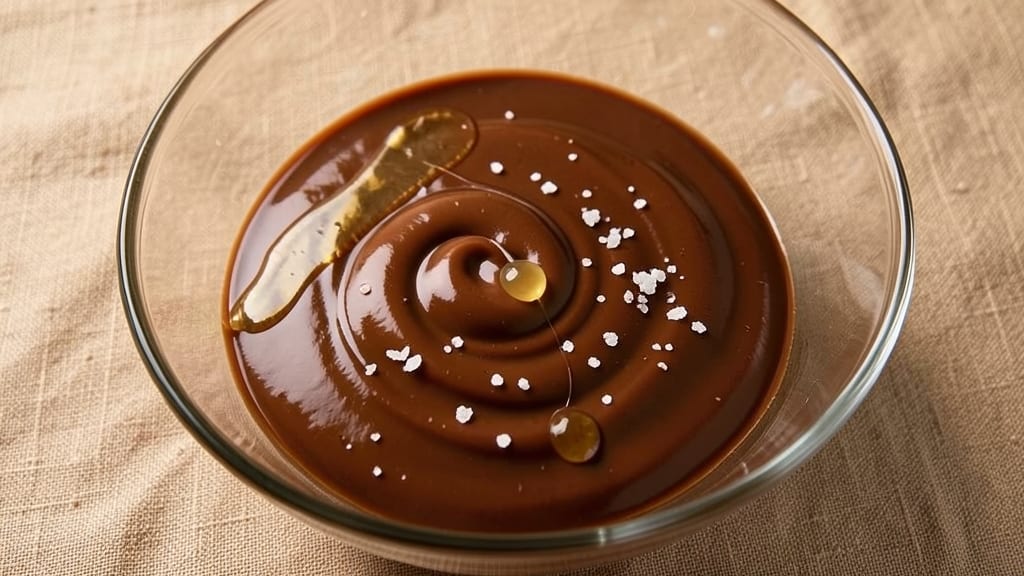
Creating a dairy-free chocolate ganache that stays silky and stable—without weeping or grain—is simpler than you think, and this recipe delivers restaurant-quality results every time. The secret lies in balancing coconut cream with coconut oil, creating a velvety texture that mimics traditional ganache while keeping it entirely plant-based.
I’ve tested countless variations to perfect this method, ensuring it works for both beginners and experienced bakers alike.
This ganache requires just three core ingredients: high-quality dairy-free chocolate, coconut cream, and coconut oil, all combined in precise ratios for a smooth, glossy finish.
Unlike traditional ganache, which relies on heavy cream, this version uses coconut cream’s natural richness to bind the mixture, while coconut oil adds stability and prevents graininess. The result? A glossy, spreadable ganache that’s perfect for cakes, truffles, or drizzling over fruit.
What sets this recipe apart is its foolproof technique—no tempering required, no guesswork, and no last-minute fixes. Once cooled, the ganache maintains its silky consistency for up to one week when stored properly in an airtight container.
It’s also easily customizable: swap in avocado oil for a neutral flavor or add a splash of vanilla for extra depth. The possibilities are endless without compromising texture.
Whether you’re accommodating dietary restrictions or simply craving a richer, dairy-free treat, this ganache delivers the same luxurious finish as traditional versions—just with a plant-based twist. Ready to elevate your desserts? Let’s get started with the ingredients and step-by-step instructions.
Ingredients for dairy free chocolate ganache
Three core ingredients transform into restaurant-quality dairy-free ganache with perfect silky texture.
| Ingredient | Amount | Notes |
|---|---|---|
| Dairy-Free Dark Chocolate Bars 🍫 | 12 oz | 70% cacao minimum, vegan-certified |
| Full-Fat Coconut Cream 🥥 | 1 cup | Chilled overnight, thick layer only |
| Refined Coconut Oil 🫒 | ¼ cup | Unscented, room temperature |
| Pure Vanilla Extract 🌿 | ½ tsp | Optional, for depth of flavor |
| Fine Sea Salt 🧂 | ⅛ tsp | Diamond Crystal preferred |
The chocolate selection is critical—Pascha or Hu Kitchen bars deliver exceptional melt and stability. Opt for 70% cacao or higher to prevent graininess, and always verify the brand is vegan-certified to avoid hidden dairy traces. Coconut cream must be fully chilled overnight, with only the thick layer used; the watery portion yields inconsistent results. For coconut oil, Jungle Culture or store-brand refined varieties work best, as their neutral profile won't overpower the chocolate. The vanilla extract, while optional, elevates the ganache's complexity—Niki's or McCormick Pure deliver reliable quality without artificial aftertastes.
No full-fat coconut cream? Substitute with coconut milk chilled overnight, but expect slightly less stability. Refined coconut oil unavailable? Avocado oil at a 1:1 ratio maintains texture while offering a neutral flavor profile. For a salt-free version, omit entirely—though the salt enhances depth by balancing sweetness. When melting chocolate, use a double boiler or microwave in 20-second bursts to avoid burning, which can cause graininess. Pre-shredded chocolate often contains anti-caking agents that disrupt texture, so chop your own bars for optimal results.
Store the ganache in an airtight container with parchment paper between layers to prevent sticking. It remains stable for one week in the refrigerator and up to three months when frozen in ice cube trays. For best results, bring to room temperature before using—microwave in 10-second intervals if needed. Portion into small jars for easy use on desserts, truffles, or as a glaze. The ganache thickens as it cools, so reheat gently if needed for a smoother consistency.
Why You'll Love This Recipe
- Three-Ingredient Magic: I swear, this is the ganache equivalent of "just add water." Melt the chocolate, warm the coconut cream—done. No tempering, no fuss, no waiting for hours like traditional recipes. The refined coconut oil keeps it silky without needing heavy cream or butter substitutes.
- Rich Without Guilt: That first bite? Smooth, deep, and actually chocolate-forward—not bitter, not grainy, just pure cocoa luxury. The full-fat coconut cream adds natural richness, while the vanilla and a pinch of salt make it taste like a fancy dessert, not a health hack. (Yes, even my picky vegan cousin asked for seconds.)
- Dresses Up Everything: Drizzle it over toasted coconut cake, swirl it into mug cakes, or use it as a glaze for fruit. Need a last-minute gift? Pour it into molds for truffles—no baking required. Honestly, I’ve used it as a dip for strawberries at brunch, a filling for cookies, and even a sauce for ice cream. It’s the ultimate flavor multiplier.
- Zero-Waste Luxury: The leftovers? They keep for weeks in the fridge, ready to elevate whatever you’re craving. And because you’re using pantry staples (no specialty ingredients), it’s cheaper than store-bought ganache and way better. Between us, I’ve made this same batch last a month—because once it’s gone, I just make another.
Step-by-step instructions for dairy-free chocolate ganache
A perfectly balanced ganache requires precision and patience—this method guarantees silky texture every time.
Chop the Dairy-Free Dark Chocolate Bars
Break the 12 oz dairy-free dark chocolate bars into small, even pieces—about ½-inch cubes—for consistent melting. I use a sharp chef's knife to create uniform chunks, which ensures they dissolve smoothly without creating lumps. Place the chopped chocolate in a medium heatproof bowl.
Here's the thing—chocolate temperature matters. If your kitchen feels warm, work quickly to prevent premature softening. For best results, keep the chopped chocolate at room temperature until ready to use. You'll know it's ready when the pieces hold their shape but yield slightly when pressed.
Heat the Full-Fat Coconut Cream
Pour the 1 cup full-fat coconut cream into a small saucepan and place it over medium-low heat. Warm the coconut cream until it reaches 160°F—this is just below a gentle simmer. You'll see small bubbles forming at the edges, but avoid boiling, which can cause the cream to separate.
I've found that 160°F is the sweet spot: hot enough to fully melt the chocolate but not so hot that it burns or creates a grainy texture. If you don't have a thermometer, watch for tiny bubbles breaking the surface—this is your visual cue to remove from heat. Let it sit for 1 minute off the heat before proceeding.
Combine and Temper the Mixture
Pour the warm coconut cream over the chopped chocolate in a slow, steady stream. Let it sit for 1 minute—this initial resting period allows the chocolate to begin softening without immediate contact. Then, using a silicone spatula, gently stir the mixture in small circles, working from the center outward.
After 2 minutes, the chocolate should be mostly melted but may still have a few stubborn chunks. This is normal—patience is key. If needed, place the bowl over a double boiler (a heatproof bowl set over simmering water) for 10-15 seconds to coax out any remaining resistance. The goal is a smooth, glossy texture without any graininess.
Incorporate the Refined Coconut Oil and Seasonings
Remove the bowl from heat and add the 0.25 cup refined coconut oil, 0.5 tsp pure vanilla extract, and 0.125 tsp fine sea salt. Stir vigorously with the spatula until fully combined—this should take about 30 seconds. The oil prevents graininess, while the vanilla and salt enhance depth of flavor.
Here's where it gets fun: the ganache should now have a thick, fudgy consistency but still be pourable. If it's too thick, place the bowl back over the double boiler for 5-10 seconds to loosen it. If it's too thin, chill it for 5 minutes to thicken slightly. The ideal texture is like molten lava—smooth, shiny, and just viscous enough to swirl.
Rest and Use for Perfect Results
Cover the bowl with plastic wrap pressed directly onto the surface to prevent a skin from forming. Let the ganache rest at room temperature for 10 minutes—this allows the flavors to meld and the texture to stabilize. You'll notice it thickens slightly during this time, which is perfect for dipping or layering.
For best results, use the ganache within 2 hours of making it. If storing, refrigerate in an airtight container for up to 1 week, then reheat gently over a double boiler until smooth before use. The salt and vanilla will have fully integrated, creating a rich, complex flavor profile that's far more nuanced than store-bought alternatives.
Pro Tips For Making Dairy Free Chocolate Ganache
- Chop Chocolate Small: Use a sharp knife or pulse in a food processor until the chocolate is in rice-sized chunks—not big bars, not powder. I learned this the hard way when my ganache turned lumpy because the chocolate didn’t melt evenly. Small pieces melt faster and smoother, especially with dairy-free chocolate that can be stubborn.
- Warm Coconut Cream: Heat the full-fat coconut cream in a saucepan over low heat until it’s just steaming—about 2-3 minutes. Skipping this step means you’re mixing cold cream with melted chocolate, which can cause the ganache to seize up. A few seconds of warmth makes all the difference.
- Add Oil Last: Stir in the refined coconut oil after the chocolate and cream have fully combined, just before removing from heat. This keeps the texture silky instead of grainy. I used to add it earlier, and the ganache always felt slightly dry—turns out, oil needs to blend in at the right moment.
- Salt at Room Temp: Let your fine sea salt sit out for 10 minutes before using—it dissolves better and doesn’t clump in the ganache. I was skeptical until I tried it; now I swear by it for that clean, balanced flavor without gritty surprises. (Yes, even if you’re impatient like me.)
Dietary considerations for this dish
Vegan Chocolate Sources
Not all dairy-free chocolate behaves the same in ganache. I recommend Pascha Organic Dark Chocolate or Hu Kitchen bars (both 70% cacao or higher) for their melt-and-stability properties.
These brands are vegan-certified and free from additives that cause graininess. Avoid chocolate with cocoa butter substitutes—they disrupt the silky texture we’re aiming for. 🍫
Coconut Cream Substitutes
If you can’t find full-fat coconut cream, chilled coconut milk works in a pinch—but expect slightly less stability. For a neutral alternative, use avocado oil at a 1:1 ratio with coconut oil. The oil’s mild flavor won’t compete with the chocolate, and it mimics the fat content needed for smoothness.
Store-bought coconut milk often contains stabilizers, so opt for full-fat canned coconut milk if possible.
Nut-Free Alternatives
For those with nut allergies, this recipe is already safe—but if you’re avoiding coconut entirely, sunflower seed butter (like SunButter) can replace coconut cream in a 1:1 ratio. The texture will be slightly denser, but it still delivers that velvety finish.
Just ensure the sunflower seed butter is 100% pure with no added oils or sugars. Always check labels, as some brands include coconut derivatives.
Gluten-Free Considerations
This ganache is naturally gluten-free, but cross-contamination risks exist if your kitchen handles gluten-containing ingredients. Use a dedicated silicone spatula and clean all tools thoroughly. For extra precaution, melt the chocolate in a separate bowl if you’ve recently used flour or wheat-based products.
The recipe’s simplicity makes it easy to adapt—just focus on the three core ingredients and avoid gluten-laden additives.
Stabilizing the Texture
The coconut oil is the secret weapon here—it prevents weeping and graininess by binding the mixture. If your ganache still separates, add 1 tsp more coconut oil and reheat gently until smooth.
For a longer shelf life, store in small glass jars (like Le Parfait jars) to maintain freshness. The oil’s satiety also makes this ganache ideal for keto or low-carb diets—just verify your chocolate’s sugar content first.
Flavor Customization
Want to experiment? Swap the vanilla for orange zest (½ tsp) or espresso powder (¼ tsp) for depth. For a spiced twist, add a pinch of cinnamon or cayenne.
The key is balance—start with ½ tsp of any new flavor and adjust to taste. These tweaks keep the ganache dairy-free while adding exciting complexity. 💫
Nutrition facts
Frequently asked questions
Why does my dairy-free ganache turn grainy?
Graininess usually happens when chocolate overheats or cools too quickly. To prevent it, keep your coconut cream at 160°F (just below simmer) and work in short bursts. The coconut oil in this recipe is key—it stabilizes the texture. If graininess appears, whisk in 1 tsp more coconut oil and reheat gently until smooth.
Can I use this ganache for frosting a cake?
Yes! Once fully cooled, this ganache thickens to a spreadable consistency perfect for layering cakes. For extra stability, chill the cake layers first, then pipe or spread the ganache between them. It works best with dense cakes (like chocolate or spice cakes) that won’t absorb too much moisture. Let it set at room temperature for 1 hour before slicing.
What’s the best way to store leftover ganache?
Transfer to an airtight container with parchment paper between layers to prevent sticking. It stays fresh in the fridge for 1 week or up to 3 months in the freezer. For easy reheating, portion into small jars and thaw overnight in the fridge. Never microwave directly—always reheat over a double boiler for 10-15 seconds to maintain smoothness.
Will this ganache work for truffles?
Roll the cooled ganache into 1-inch balls and chill for 30 minutes to firm up. For coating, dip in melted dairy-free chocolate or crushed nuts. The coconut oil content keeps them stable without crumbling. For extra richness, add 1 tbsp coconut cream before rolling. Store truffles in the fridge for up to 5 days or freeze for 1 month.
Can I make this ganache without coconut?
Yes! Swap coconut cream for chilled coconut milk or avocado oil (1:1 ratio). For a nut-free option, use sunflower seed butter (like SunButter) instead of coconut cream. The texture will be slightly denser but still silky. Always verify labels for hidden coconut traces in substitutes.