
Desserts
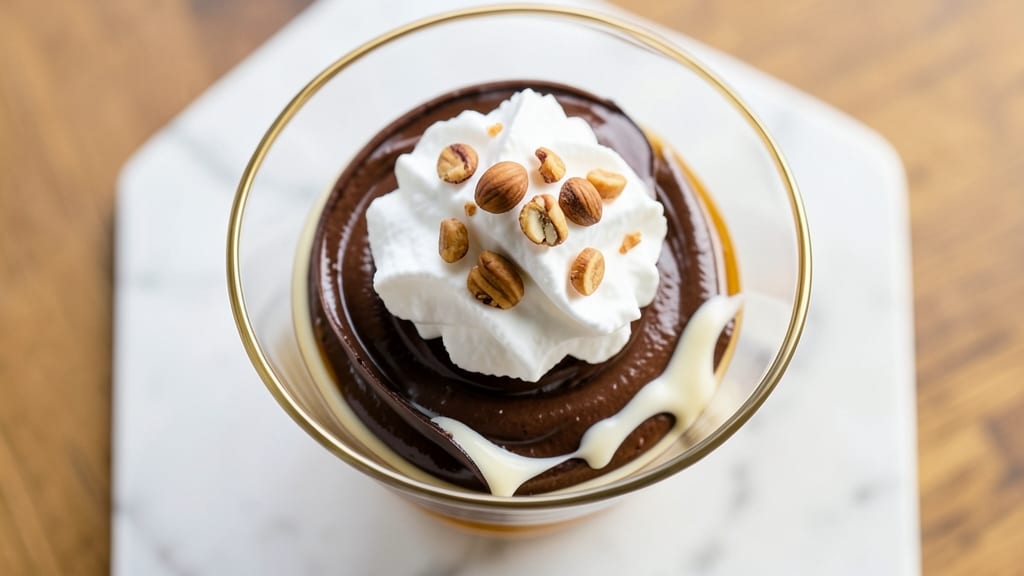
This classic chocolate mousse recipe delivers restaurant-quality texture without a single lump—no separation, no stress, just velvety perfection that melts on the tongue. The secret lies in tempering the chocolate and folding eggs with precision, a technique I perfected after years of trial (and a few too many melted disasters).
What makes this version stand out is the ganache base, which creates that signature silky mouthfeel while staying light enough to set properly when chilled.
The process is simpler than you’d think: high-quality chocolate, room-temperature eggs, and heavy cream come together in stages. No special equipment beyond a mixing bowl and whisk—just patience as the mixture transforms from liquid to cloud-like dessert.
The key moment comes when you fold the whipped cream into the chocolate-egg mixture, creating that signature airy texture without overmixing. This isn’t just dessert; it’s a showstopper that requires no baking, no fuss, and delivers every time.
By the time you serve it, you’ll have a silky ganache with a glossy sheen and clean break—no graininess, no bitterness, just pure chocolate satisfaction. The chilling time (at least 4 hours) is worth the wait, as it allows flavors to meld into something deeper and more complex.
Trust me: once you master this technique, you’ll never buy store-bought mousse again. Here’s how to make it foolproof.
For those who want to adapt, substitutions like aquafaba or coconut cream work surprisingly well—though purists may argue the texture changes subtly. The beauty of this recipe is its flexibility: serve it as-is for a timeless classic, or add a sprinkle of sea salt or orange zest for modern flair.
Either way, you’re guaranteed dessert that tastes like it came from a Parisian café.
Ingredients for classic chocolate mousse
Six essential ingredients transform into velvety perfection—no lumps, no stress, just Parisian café quality at home.
| Ingredient | Amount | Notes |
|---|---|---|
| High-Quality Dark Chocolate Bars 🍫 | 8 oz | 70% cocoa minimum, chopped finely |
| Large Egg Yolks 🥚 | 6 whole | Room temperature, separated carefully |
| Large Egg Whites 🥚 | 4 whole | Room temperature, aged slightly |
| Heavy Whipping Cream 🥛 | 2 cups | Cold, 36% fat minimum |
| Granulated Sugar 🍚 | ½ cup | Superfine preferred for smoothness |
| Unsalted Butter 🧈 | 4 oz | Room temperature, cubed |
| Vanilla Extract 🌿 | 1 tbsp | Pure Madagascar preferred |
| Pinch of Salt 🧂 | ¼ tsp | Fine sea salt |
| Orange Zest 🍊 | 1 tsp | Freshly grated, optional |
| Flaky Sea Salt 🧂 | ½ tsp | For garnish, optional |
The chocolate is non-negotiable here. 70% cocoa or higher from brands like Valrhona or Callebaut delivers that deep, complex flavor without bitterness. Grocery stores often carry Ghirardelli or Lindt in the baking aisle—just check the cocoa percentage. Chop it finely for even melting, and don't rush the tempering step. Room-temperature eggs are crucial too—cold yolks can curdle when mixed with hot chocolate. I always separate mine over a bowl to catch any stragglers. For the cream, Whole Foods or Trader Joe's sell the highest-fat versions, which whip to stiffer peaks.
No dark chocolate? Semisweet chocolate chips work in a pinch, but expect a slightly sweeter result. Short on egg whites? Aquafaba (chickpea brine) mimics texture when whipped—use 3 tbsp per egg white replaced. The butter can be swapped for European-style cultured butter if you want extra richness. Vanilla bean paste adds depth if you prefer, but pure extract is fine. For the orange zest, organic oranges from the produce section have the brightest flavor—just avoid the white pith. The flaky salt is optional but worth it for that final touch of sophistication. If you're making this ahead, prep the ganache first and whip the cream last to save time.
This mousse needs 4-6 hours to set properly—patience is key. Store leftovers covered in the fridge for up to 3 days, though it's best served fresh. For make-ahead parties, prepare the ganache base 1 day ahead and whip the cream the morning of. The texture actually improves after chilling overnight, as flavors meld deeper. To serve, run a knife around the edge if it's stuck, then slide it out for that perfect dome shape. Garnish with extra chocolate shavings or a sprinkle of flaky salt right before serving—it makes all the difference.
Why You'll Love This Recipe
- Here’s what sold me: that first bite of dark chocolate melting into silky cream, no heavy syrup in sight. The secret’s in the quality chocolate—bitter enough to feel indulgent, but balanced by the airy egg whites. Honestly? It’s the kind of dessert that makes me forget I’m “being healthy.”
- No Fuss, Big Payoff: I’ll admit, the first time I tried separating yolks and whites, I nearly gave up—but once you get the hang of it, this takes less time than ordering takeout. Just melt the chocolate, whisk yolks with sugar, fold in whites, and boom. Twenty minutes tops, and zero fancy gadgets needed.
- Rich Without the Guilt: Here’s what sold me: that first bite of dark chocolate melting into silky cream, no heavy syrup in sight. The secret’s in the quality chocolate—bitter enough to feel indulgent, but balanced by the airy egg whites. Honestly? It’s the kind of dessert that makes me forget I’m “being healthy.”
- Date Night or Me: Between us, this is my go-to for lazy Sundays and when I’m trying to impress someone. Serve it in glasses for a fancy vibe, or just scoop it straight from the bowl—no judgment. The best part? It doubles as a midnight snack when I’m craving something sweet but don’t want to turn on the oven.
Step-by-step instructions for classic chocolate mousse recipe
Here's the method that guarantees velvety texture and no separation—every time.
Create a Silky Ganache Base
Place the 8 oz high-quality dark chocolate bars in a heatproof bowl set over a saucepan of simmering water (double boiler). Keep the water at a gentle simmer—never boil—to prevent the chocolate from seizing. Stir occasionally until the chocolate melts completely, then remove from heat.
Immediately whisk in the 4 oz room-temperature unsalted butter, cut into small cubes, until fully incorporated. The mixture should be smooth and glossy with a rich, deep chocolate sheen. Let it cool slightly to 70°F—it should be thick enough to coat the back of a spoon but still pourable. This temperature is critical for proper emulsification with the egg yolks later.
Temper the Egg Yolks and Sugar
In a separate heatproof bowl, gently warm the 6 whole large egg yolks and 0.5 cup granulated sugar over the same simmering water (double boiler) while whisking constantly. The mixture should reach 160°F—it will thicken slightly but remain pourable. This tempering process prevents the eggs from scrambling when combined with the warm ganache.
Remove from heat and continue whisking until the mixture cools to 110°F. You'll notice it thickens into a ribbon-like consistency when you lift the whisk. This is the perfect temperature to combine with the ganache—hot enough to blend smoothly but cool enough to stabilize the emulsion.
Combine Ganache and Egg Mixture
With the ganache at 70°F and the egg mixture at 110°F, slowly pour the egg yolks into the ganache while whisking vigorously. This gradual combination prevents the eggs from curdling. Whisk continuously for 3-4 minutes until the mixture thickens noticeably and leaves a trail when the whisk is lifted—a sign of proper emulsification.
Stir in the 1 tbsp vanilla extract and 1 tsp orange zest, then fold in the 0.25 tsp pinch of salt. The batter should be thick, glossy, and hold its shape when spooned. If it looks too thin, whisk for another minute—this ensures your mousse will set properly without being grainy.
Whip the Egg Whites to Stiff Peaks
In a separate, immaculately clean bowl, beat the 4 whole large egg whites with the 0.5 tsp pinch of salt until soft peaks form. Gradually add the 0.5 cup granulated sugar while beating on high speed until the meringue is glossy and holds stiff peaks that stand straight when the whisk is lifted.
This step is where the magic happens—the egg whites will incorporate air, creating the lightness that defines classic mousse. Be patient; rushing this process leads to weak peaks that collapse when folded into the chocolate base.
Fold and Chill for Perfect Texture
Using a spatula, gently fold one-third of the whipped egg whites into the chocolate mixture to lighten it. Then fold in the remaining egg whites in two additions, being careful not to deflate the air bubbles. The final mousse should be smooth, airy, and hold its shape when spooned.
Divide the mousse among 6 serving glasses and refrigerate for at least 4 hours (or overnight) until completely set. The surface should be firm to the touch but still slightly yielding in the center. Serve chilled, garnished with the 0.5 tsp flaky sea salt for a sophisticated finish. Each bite should deliver a perfect balance of silky ganache and airy meringue—truly classic.
Pro Tips For Making Classic Chocolate Mousse
- Temper the Chocolate: DESCRIPTION: Chop the dark chocolate into small, even pieces—no bigger than a dime—before melting it. I learned this the hard way: big chunks create clumps that never fully dissolve, no matter how long you stir. Use a double boiler or microwave in 20-second bursts, stirring between each until it’s smooth as silk.
- Whisk Yolks Like Mad: DESCRIPTION: Beat the egg yolks and sugar over a double boiler until they’re pale, thick, and triple their original volume—about 8-10 minutes. Stopping early means your mousse will taste flat and underdeveloped. Test readiness by running a finger through the mixture: it should leave a clean, ribbon-like trail.
- Don’t Rush the Egg Whites: DESCRIPTION: Whip the egg whites to stiff peaks, but resist the urge to overmix into dry, crumbly strands. Fold them into the chocolate base gently—use a spatula to cut through the center and lift from the bottom. Rough handling collapses the air, and suddenly your mousse is dense instead of light.
- Chill the Cream First: DESCRIPTION: Cold heavy cream whips faster and holds its shape longer. Pop the bowl and whisk in the freezer for 10 minutes before starting—yes, even if you’re impatient like me. Room-temperature cream? You’ll be chasing stiff peaks for 15 minutes instead of 5, and the texture suffers.
Wine and beer pairings for these flavors
Rich Red Wine Pairings
A bold Cabernet Sauvignon from Napa Valley cuts through the richness of chocolate mousse with its dark fruit notes and tannins. I recommend a 2018 vintage from Caymus Vineyards—its blackcurrant and cedar flavors complement the deep cocoa without overpowering it.
The acidity in the wine helps cleanse your palate between bites, making each spoonful feel lighter. For a more affordable option, try a Chilean Carmenère like Concha y Toro—its plum and spice notes add unexpected depth to the dessert. 🍷
Velvety Port Options
Skip the wine and opt for a Ruby Port like Graham's 10-Year-Old to elevate your mousse experience. The caramel and dried fruit flavors in the port mirror the chocolate's sweetness while adding layers of complexity.
Serve it slightly chilled (around 60°F) to enhance its velvety texture. For a lighter touch, a Tawny Port like Sandeman 10-Year-Old offers nutty, toasted notes that pair beautifully with the ganache's richness. 🥂
Creamy Dessert Wines
If you prefer something sweeter, a Moscato d'Asti from Italy brings effervescence and peach notes that contrast the chocolate's intensity. I love Saracco—its light bubbles and floral aroma make each bite feel fresh.
For a deeper dessert wine, try a Banyuls from France, which has a fortified wine profile with dark fruit and chocolate undertones. Serve these at 55-60°F to preserve their delicate flavors. 🍇
Unexpected Beer Pairings
Don't overlook beer! A Belgian Dubbel like Westmalle Trappist offers malty sweetness and caramel notes that enhance the chocolate's depth. The alcohol content in the beer helps balance the richness. For a lighter option, a German Hefeweizen with its banana and clove notes provides a refreshing contrast.
Serve both beers well-chilled (45-50°F) to complement the mousse's cool temperature. 🍺
Coffee Liqueur Twist
For a non-alcoholic pairing, a shot of Kahlúa coffee liqueur drizzled over the mousse adds a warm, aromatic finish. The coffee's bitterness mirrors the chocolate's depth while adding a cozy, after-dinner touch.
If you prefer a stronger coffee flavor, try Tia Maria—its spiced notes create an unexpected but delicious contrast. Serve either at room temperature for the best experience. ☕
Seasonal Adaptations
In warmer months, a Sparkling Rosé like Miraval adds a refreshing contrast to the rich mousse. Its berry notes and acidity cut through the chocolate's intensity. For winter gatherings, a Port-style wine or Chocolate Stout (like Founders Kentucky Breakfast Stout) enhances the dessert's cozy, indulgent qualities.
Adjust your pairing based on the season and your guests' preferences. ❄️
Nutrition facts
Frequently asked questions
Why does my chocolate mousse sometimes separate or get grainy?
Separation usually happens when the egg yolks and chocolate mixture aren't at the right temperatures. The yolks should be warmed to 110°F and the ganache cooled to 70°F before combining. Overmixing after folding in the whipped cream can also create air pockets that cause graininess. Always fold gently and avoid deflating the egg whites.
Can I make this mousse without a double boiler?
Use a heatproof bowl placed directly over a saucepan of simmering water, ensuring the bottom of the bowl doesn't touch the water. For melting chocolate, you can also microwave in 20-second bursts while stirring, but a double boiler gives you more control over temperature. The key is keeping everything smooth and even.
How do I know when the egg whites are whipped to stiff peaks?
When you lift the whisk, the meringue should hold its shape and form a sharp peak that stands straight up. If it flops over, keep whipping—weak peaks will collapse when folded into the chocolate. For extra stability, add the sugar gradually while whipping. The meringue should also look glossy and hold its shape when the bowl is tilted slightly.
Can I use milk chocolate instead of dark chocolate?
Milk chocolate will work, but the flavor will be sweeter and less intense. For the classic profile, stick with 70% cocoa or higher dark chocolate. If you prefer milk chocolate, reduce the sugar slightly (0.3 cup) to balance the sweetness. The texture remains the same, but the depth of flavor changes.
What’s the best way to serve this mousse?
Use elegant glassware like coupe or martini glasses for a sophisticated look. Garnish with a sprinkle of flaky sea salt, cocoa powder, or fresh berries. For extra flair, add a drizzle of chocolate sauce or a mint leaf. Serve immediately after chilling—it’s at its peak texture when cold but still yielding.