
Desserts
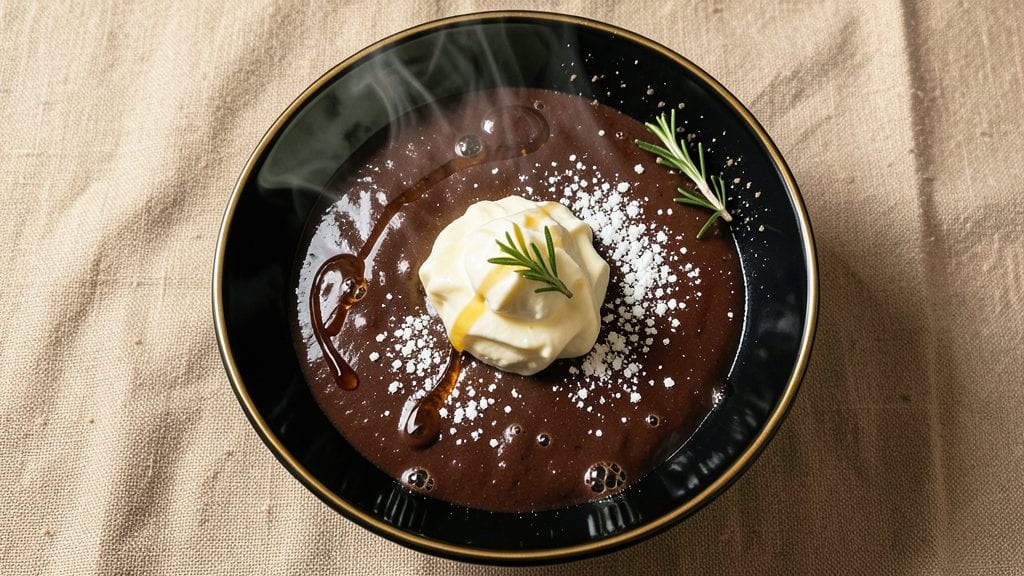
This chocolate wine dessert recipe transforms ordinary baking into a sophisticated treat by blending deep cocoa richness with the elegant complexity of wine. The wine’s acidity cuts through the sweetness, creating a dessert that’s both indulgent and balanced—perfect for special occasions or when you want to impress.
I developed this recipe after years of experimenting with chocolate desserts, and the wine makes all the difference.
The secret lies in the wine’s role as both a flavor enhancer and a tenderizer—it keeps the texture moist and luxurious while adding layers of depth that store-bought chocolate can’t match.
You’ll need just five key ingredients: high-quality chocolate, a good bottle of red wine (like Cabernet Sauvignon or Merlot), butter, sugar, and eggs. The process is straightforward, but the results are restaurant-worthy.
What you’ll end up with is a velvety, fudgy dessert with a glossy finish and a hint of boozy elegance in every bite. The wine’s subtle tannins elevate the chocolate, making it taste more sophisticated without overpowering the natural sweetness.
This dessert pairs beautifully with whipped cream, berries, or a sprinkle of sea salt for a gourmet touch.
Whether you’re baking for a holiday gathering or treating yourself to a decadent night in, this recipe delivers professional-quality results with minimal effort. The wine’s influence ensures your dessert stands out—rich, complex, and unforgettable. Let’s get started on creating something truly special.
Ingredients for chocolate wine
Five key ingredients transform into a decadent dessert with wine-infused richness and velvety texture.
| Ingredient | Amount | Notes |
|---|---|---|
| High-Quality Dark Chocolate 🍫 | 6 oz | 70% cocoa, chopped into chunks |
| Dry Red Wine 🍷 | ½ cup | Cabernet Sauvignon or Merlot |
| Unsalted Butter 🧈 | ½ cup | Cold, cubed for even melting |
| Granulated Sugar 🍚 | ¾ cup | Light brown sugar for depth |
| Large Eggs 🥚 | 2 whole | Room temperature for smooth batter |
| Vanilla Extract 🌿 | 1 tsp | Pure Madagascar preferred |
| Diamond Crystal Kosher Salt 🧂 | ¼ tsp | Fine grain for delicate seasoning |
| Extra-Virgin Olive Oil 🫒 | 1 tbsp | For greasing the pan |
| Heavy Whipping Cream 🥛 | ½ cup | For optional topping |
| Fresh Berries 🍓 | ½ cup | Raspberries or blackberries |
| Flaky Sea Salt 🧂 | 1 tsp | For finishing garnish |
The chocolate and wine are the stars here. Ghirardelli or Lindt 70% cocoa bars melt beautifully—avoid anything with added oils or fillers. For the wine, Cabernet Sauvignon or Merlot work best; skip sweet dessert wines. I always use Trader Joe's organic red wine when I need a budget-friendly option, but a good bottle of Caymus Vineyards takes it to the next level. The butter should be cold and cubed—this ensures even melting and prevents greasy texture. If you're using brown sugar, light brown sugar adds subtle caramel notes without overpowering the chocolate.
No Cabernet? Pinot Noir or Zinfandel work in a pinch, but avoid anything too tannic. Fresh out of vanilla? Vanilla bean paste at half the amount gives a similar depth. The heavy whipping cream can be swapped for coconut cream for a dairy-free option, though the texture will be slightly lighter. For the berries, frozen works fine if you're in a rush—just thaw and drain them first. The flaky sea salt is non-negotiable for that gourmet finish; Maldon is my go-to, but any high-quality flake salt will do. If you're feeling fancy, add a pinch of espresso powder to the batter for extra depth.
This dessert stays fresh for 5 days in the fridge, though it's best enjoyed within 2 days for peak texture. For make-ahead prep, bake the cake one day ahead and store it wrapped tightly at room temperature. The wine-infused flavor actually improves with time, so don't rush it. Portion into individual servings before storing to maintain that perfect slice. If you're making this for a crowd, double the recipe—it disappears fast. The berries should be added fresh just before serving to keep them vibrant, but you can prep everything else a day ahead.
Why You'll Love This Recipe
- Five-Ingredient Magic: I swear, this recipe is one of those rare things that feels fancy but isn’t. Just melt chocolate, stir in wine, whisk eggs—no fancy techniques, no last-minute grocery runs. That’s it. The butter and sugar tie it all together without fuss.
- Rich Without Effort: The dark chocolate and red wine combo is like a grown-up dessert hug. The wine cuts the bitterness just enough, while the butter makes it velvety. Honestly, it tastes like you spent hours baking, but you didn’t.
- Weeknight or Weekend: Make it for a quick date night (it’s ready in under an hour) or double the batch for a dessert table at a dinner party. The leftovers? Still just as good the next day—no one will guess it’s not freshly made.
- Budget-Friendly Luxury: You’re using pantry staples (eggs, sugar) and a bottle of wine you’d drink anyway. The dark chocolate is the splurge, but a little goes a long way. Between us, this is the kind of dessert that makes you feel special without breaking the bank.
Step-by-step instructions for chocolate wine dessert
Here's how to craft a decadent chocolate wine dessert with layers of rich flavor and velvety texture.
Melt Chocolate and Butter for a Silky Base
In a heatproof bowl set over a saucepan of simmering water, combine the 6 oz high-quality dark chocolate and 0.5 cup unsalted butter. Stir gently until both melt completely and the mixture reaches 110°F—just warm enough to coat a spoon but not hot enough to scorch. Remove from heat immediately and let cool slightly while you prepare the rest of the ingredients.
This double boiler method ensures the chocolate melts evenly without developing a bitter taste. If you notice any graininess, simply whisk vigorously until smooth. The butter adds richness while helping to emulsify the wine later in the process, creating that signature velvety texture we're after.
Whisk Eggs and Sugar to Ribbon Stage
In a separate bowl, whisk the 2 whole large eggs and 0.75 cup granulated sugar together until the mixture lightens in color and forms ribbons when the whisk is lifted—this should take about 3-4 minutes of steady whisking. The mixture will thicken noticeably as you work, transforming from a pale yellow to a glossy, almost custard-like consistency.
This step is crucial for creating the dessert's signature texture. If you're using room temperature eggs, they'll incorporate more smoothly. For extra insurance against graininess, strain the egg mixture through a fine-mesh sieve before combining with the chocolate mixture. The sugar helps stabilize the eggs while adding just enough sweetness to balance the wine's acidity.
Combine Ingredients and Temper the Mixture
Gradually pour the melted chocolate mixture into the egg mixture while whisking continuously. Add the 0.5 cup dry red wine and 1 tsp vanilla extract, whisking until fully incorporated. Finally, fold in the 0.25 tsp diamond crystal kosher salt. The mixture should be smooth and glossy with a deep, rich color—almost like liquid velvet.
Here's where the magic happens: transfer the mixture to a saucepan and cook over medium-low heat, stirring constantly with a wooden spoon, until it reaches 160°F and thickens enough to coat the back of the spoon. This tempering process develops the dessert's signature texture—neither too thin nor too thick. If it thickens too quickly, simply remove it from heat for a moment and let it cool slightly before continuing.
Prepare and Pour the Batter
Lightly grease a 9-inch round cake pan with 1 tbsp extra-virgin olive oil, then line the bottom with parchment paper. Pour the tempered chocolate mixture into the prepared pan and smooth the top with a spatula. Cover with plastic wrap and refrigerate for at least 4 hours or until completely set. This chilling step is non-negotiable—it allows the dessert to develop its proper texture and ensures clean slices later.
While the dessert sets, prepare your optional toppings. Whip the 0.5 cup heavy whipping cream to soft peaks and set aside. Wash and dry the 0.5 cup fresh berries, removing any stems. The contrast between the rich chocolate layer and the bright acidity of the berries will make each bite sing.
Assemble and Serve with Elegant Garnishes
Once the chocolate layer is firm, carefully remove it from the pan and place it on a serving platter. Spread the whipped cream evenly over the top, then arrange the fresh berries in a decorative pattern. Finish with a sprinkle of 1 tsp flaky sea salt to enhance the flavors and add a touch of sophistication.
Slice the dessert into 4 equal portions and serve immediately. The contrast between the cool, fudgy chocolate base, the airy whipped cream, and the vibrant berries creates a symphony of textures and flavors. For an extra touch of drama, lightly torch the whipped cream just before serving to create a caramelized crust that adds another layer of complexity to each bite.
Pro Tips For Making Chocolate Wine
- Temper the chocolate: Chop that dark chocolate into small, even pieces first—think rice-sized, not shards. Dump them into the warm (not boiling) wine and stir constantly as they melt; if you rush this, you’ll end up with grainy bits that ruin the smoothness. I learned this the hard way when I tried to toss in big hunks and ended up with a sauce that looked like it had rocks in it.
- Simmer, don’t boil: Once the chocolate and wine are mixed, keep the heat low and let it bubble gently—no rolling boil. High heat turns the wine bitter and can scorch the butter before it even melts. I used to crank the heat and wondered why my sauce always tasted harsh; now I just watch for tiny, steady bubbles and keep it patient.
- Whisk the eggs cold: Whisk those eggs into the chocolate-wine mixture off the heat and cold—room temp eggs are fine, but don’t use warm or straight-from-the-fridge ones. The sudden temperature shock can make them scramble instead of emulsify smoothly. I was skeptical until I tried it, and now I swear by it for silky results every time.
- Butter in last: Add the unsalted butter at the very end, when the sauce is thickened but still warm, and stir until it’s fully incorporated. Dumping it in too early can cause it to separate or create a greasy layer. Sounds weird, but it works—your sauce will be glossy and rich instead of clumpy.
Dietary considerations for this chocolate wine
Alcohol-Free Adaptation
To make this dessert suitable for non-drinkers or those avoiding alcohol, replace the 0.5 cup red wine with 0.5 cup unsweetened grape juice or blackberry purée. The acidity remains, though the depth of flavor will be slightly muted.
For extra richness, add 1 tsp balsamic vinegar to mimic the wine’s complexity. This version still delivers that velvety texture while keeping the chocolate’s natural sweetness balanced. 🍇
Gluten-Free Version
This recipe is naturally gluten-free, but if you're using a pre-made component (like store-bought chocolate), verify the label. For extra insurance, use certified gluten-free chocolate (like Enjoy Life brand). The wine and butter are already gluten-free, so no other substitutions are needed.
The texture remains identical, proving that gluten isn’t essential for this dessert’s decadence. Always check your vanilla extract too—some brands process in shared facilities.
Dairy-Free Options
Swap the 0.5 cup unsalted butter for 0.5 cup dairy-free butter (like Miyoko’s or Earth Balance) and use coconut cream instead of heavy whipping cream for the topping. The chocolate and wine will still shine, though the texture will be slightly lighter.
For a richer mouthfeel, add 1 tbsp coconut oil to the melted chocolate mixture. The wine’s acidity helps balance any coconut flavor, making it work beautifully. 🥥
Lower Sugar Adjustments
Reduce the 0.75 cup granulated sugar to 0.5 cup and replace the remaining 0.25 cup with unsweetened applesauce or mashed banana. This maintains moisture while cutting sugar by 33%. The wine’s natural sweetness and acidity will still complement the chocolate beautifully.
For extra depth, add 1 tsp monk fruit sweetener to compensate for the reduced sugar without altering the flavor profile.
Nut-Free Considerations
This recipe is naturally nut-free, but always double-check chocolate brands—some mix-ins contain traces of nuts. For added safety, use a dedicated chocolate bar (like Ghirardelli’s nut-free options). The wine, butter, and other ingredients are inherently nut-free.
If you’re serving this to guests with nut allergies, keep the dessert in its original packaging until ready to serve to prevent cross-contamination. A simple label like “Nut-Free Chocolate Dessert” adds reassurance. 🚫
Nutrition facts
Frequently asked questions
Can I use white wine instead of red wine in this recipe?
Red wine is ideal because its tannins enhance the chocolate's depth, but you can use a dry white wine like Sauvignon Blanc in a pinch. The flavor will be lighter and more citrus-forward, but still delicious. For best results, choose a wine with at least 12% alcohol to maintain the dessert's richness.
How do I know when the chocolate mixture is ready to pour?
The mixture should coat the back of a spoon when cooled to 160°F and thicken slightly when chilled. It will look glossy and velvety, almost like pudding. If it's too thin, cook it a bit longer; if too thick, whisk in 1 tsp warm water to loosen it. The texture should be smooth and spreadable, not grainy.
Can I make this dessert ahead of time?
This dessert actually tastes better when made a day ahead. Store it in an airtight container in the fridge for up to 5 days. The flavors meld beautifully, and the texture becomes even more luxurious. Just bring it to room temperature before serving for clean slices.
What if I don't have vanilla extract?
Use ½ tsp vanilla bean paste or scrape seeds from 1 vanilla bean for the same depth of flavor. If you're completely vanilla-free, add ¼ tsp cinnamon or 1 pinch of nutmeg to complement the chocolate and wine. The wine's natural sweetness will still shine through.
Why did my dessert turn out too bitter?
Bitterness usually comes from overheating the chocolate (above 120°F) or using chocolate with high cocoa content (>80%). Stick to 70% cocoa chocolate and monitor the temperature closely. If it's too bitter, stir in 1 tsp maple syrup or ½ tsp brown sugar to balance it. The wine's acidity can also enhance bitterness, so use a smoother wine like Merlot.