
Desserts
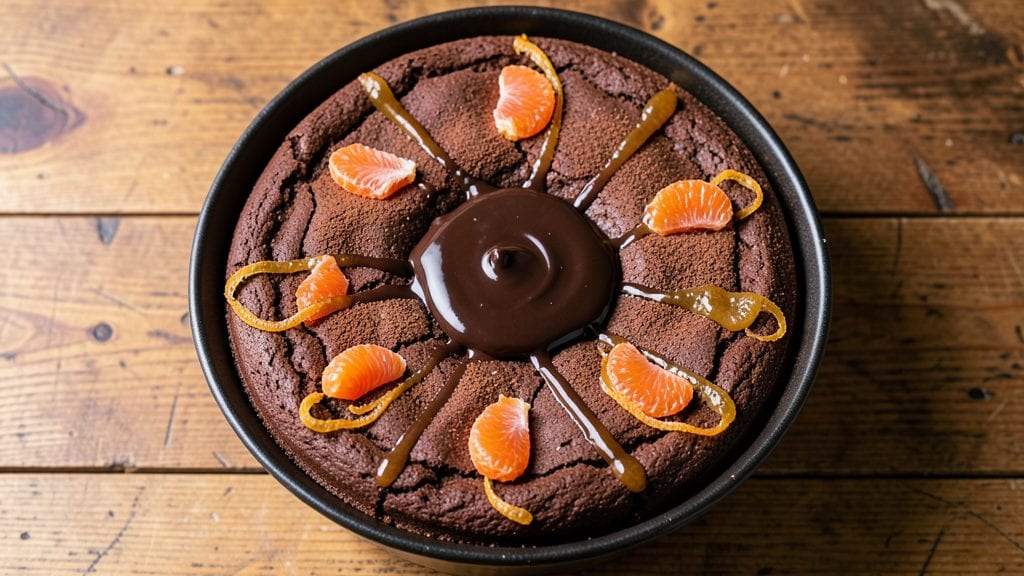
Nigella Lawson's chocolate orange cake delivers the perfect marriage of rich chocolate and bright citrus in every moist, tender bite. The secret lies in balancing deep cocoa flavor with zesty orange zest and juice, creating a cake that's both decadent and refreshing.
I've baked this version countless times—it never fails to impress with its perfect rise and velvety texture.
This recipe combines simple ingredients with professional techniques to achieve restaurant-quality results at home. The cake batter incorporates melted butter and sour cream for unmatched moisture, while orange juice and zest infuse each slice with vibrant citrus notes.
Baking times are precise, ensuring a golden crust and perfectly set interior without over-browning.
What you'll achieve is a showstopping dessert that's ideal for celebrations or satisfying cravings. The chocolate-orange combination creates a complex flavor profile that's both sophisticated and approachable. Whether you're serving it at a dinner party or enjoying a slice with afternoon tea, this cake delivers consistent professional results every time.
The beauty of this recipe lies in its versatility—it works equally well as a standalone dessert or with complementary garnishes like whipped cream or fresh berries. With just a few simple ingredients and careful technique, you'll master a cake that rivals any bakery creation. Let's get baking!
Ingredients for chocolate orange cake nigella lawson
Simple yet sophisticated ingredients transform into Nigella Lawson's signature chocolate orange cake.
| Ingredient | Amount | Notes |
|---|---|---|
| Unsalted Butter 🧈 | 1 cup | Melted and cooled to room temperature |
| Granulated Sugar 🍚 | 2 cups | Superfine preferred for even texture |
| Dark Brown Sugar 🍚 | ½ cup | Packed firmly for moisture |
| All-Purpose Flour 🌾 | 2 ½ cups | Sifted for lightness |
| Unsweetened Cocoa Powder 🍫 | ¾ cup | Dutch-processed for smoothness |
| Baking Powder 🧂 | 1 tbsp | Freshly opened for lift |
| Salt 🧂 | ½ tsp | Fine sea salt preferred |
| Sour Cream 🥛 | 1 cup | Full-fat for richness |
| Large Eggs 🥚 | 2 whole | Room temperature for blending |
| Fresh Orange Zest 🍊 | 2 tbsp | Bright, organic orange preferred |
| Fresh Orange Juice 🍊 | ½ cup | Strained, no pulp |
| Vanilla Extract 🌿 | 1 tbsp | Pure Madagascar preferred |
| Hot Water 💧 | ½ cup | To dissolve cocoa fully |
The cocoa powder is non-negotiable—Dutch-processed like Valrhona or Guittard ensures smoothness without bitterness. For the orange, organic Navel or Valencia oranges yield the brightest zest and juice. I always buy extra oranges and freeze the zest in 1-tablespoon portions for future baking. The butter must be melted and cooled to room temperature to prevent steam pockets in the batter. European-style unsalted butter like Plugrá adds depth of flavor that regular butter can't match. For the sour cream, full-fat La Creme works best—low-fat versions can make the cake crumbly.
No Dutch-processed cocoa? Natural cocoa powder plus 1/4 teaspoon baking soda mimics the effect. Short on orange juice? Substitute bottled 100% orange juice—just avoid brands with added sugar. The vanilla extract can be imitation, but pure Madagascar or Tahitian elevates the flavor profile. For the flour, King Arthur or Gold Medal brands sift beautifully. If you're using a mix of superfine and granulated sugar, pulse them together in a food processor for even texture. The eggs should be large—medium eggs will affect the rise.
Store batter in an airtight container in the refrigerator for up to 24 hours—it actually improves overnight. Baked cake keeps at room temperature for 3 days or refrigerated for 5 days. For longer storage, freeze slices wrapped in plastic for up to 3 months. The cake reheats beautifully in a 350°F oven for 5-10 minutes to restore its moistness. I always bake two cakes—one for immediate serving and one to freeze for special occasions.
Why You'll Love This Recipe
- No-Fuss Mixing: I swear by this recipe’s simplicity—just cream butter, sugar, and cocoa, then fold in flour. No sifting, no extra bowls, and that brown sugar gives it a caramel depth without fuss.
- Orange-Chocolate Magic: The zesty orange zest and juice cut through the richness of the cocoa, creating layers of flavor that feel luxurious but aren’t overpowering. (Yes, even on a Tuesday night.)
- Party-Proof Anywhere: Slice it for a birthday, pack it for a picnic, or serve it at a last-minute gathering. The cake holds up beautifully, and the frosting (if you add it) stays smooth—no one will guess it’s this unfussy.
- Budget-Friendly Luxury: Uses pantry staples like butter and flour, but the brown sugar and cocoa make it taste like a bakery showstopper. Leftovers? They disappear faster than you’d think.
Step-by-step instructions for Nigella Lawson's chocolate orange cake
This recipe delivers moist, rich chocolate cake with vibrant orange notes—every layer infused with citrus brightness.
Prepare the Cake Batter
Preheat your oven to 350°F and grease two 8-inch round cake pans with nonstick spray, then line the bottoms with parchment circles. In a heatproof bowl, melt the 1 cup unsalted butter over simmering water, then cool to room temperature. This gentle melting preserves the butter's flavor without developing harsh notes.
In a large mixing bowl, whisk together the 2 cups granulated sugar and 0.5 cup dark brown sugar until combined. Add the cooled butter and mix until smooth. The sugars should dissolve completely, creating a pale, creamy base. This step ensures even moisture distribution throughout the cake.
Combine Wet Ingredients
Add the 1 cup sour cream, 2 whole large eggs, 2 tbsp fresh orange zest, 0.5 cup fresh orange juice, and 1 tbsp vanilla extract to the sugar-butter mixture. Whisk vigorously for 2-3 minutes until the batter thickens and lightens in color. The citrus oils from the zest and juice will begin to infuse the batter, creating that signature zesty aroma.
This is where the magic happens—the orange's natural acidity balances the richness of the chocolate while preventing the cake from becoming too dense. The sour cream adds moisture without making the texture heavy, and the eggs provide structure.
Incorporate Dry Ingredients
In a separate bowl, sift together the 2.5 cups all-purpose flour, 0.75 cup unsweetened cocoa powder, 1 tbsp baking powder, and 0.5 tsp salt. Gently fold this dry mixture into the wet ingredients using a spatula, mixing just until combined. Avoid overmixing—you should still see small flour streaks. This keeps the cake tender rather than tough.
Next, whisk the 0.5 cup hot water into the batter to dissolve the cocoa powder fully. This step ensures even distribution of the cocoa and prevents dry spots in the cake. The hot water also activates the baking powder, giving the cake its lift.
Bake to Golden Perfection
Divide the batter evenly between the prepared cake pans. Bake for 30-35 minutes, or until a toothpick inserted into the center comes out clean and the edges are just beginning to pull away from the pan. The cake should spring back slightly when pressed gently in the center.
Do not overbake—chocolate cakes are delicate and can dry out quickly. If the tops brown too quickly, tent the pans with foil after 20 minutes to prevent over-browning while allowing the centers to cook through. The finished cake should have a moist, fudgy texture with a subtle crackly top.
Cool and Layer (Optional)
Remove the cakes from the oven and let them cool in the pans for 10 minutes, then transfer to a wire rack to cool completely. For a layered cake, place a thin layer of orange glaze (made from 2 tbsp orange juice and 1 tbsp powdered sugar) between the layers if desired. This enhances the citrus flavor without overpowering the chocolate.
Slice and serve at room temperature. The cake will be rich and moist, with the orange zest adding a bright, aromatic contrast to the deep chocolate flavor. Store leftovers in an airtight container for up to 3 days, though they rarely last that long.
Pro Tips For Making Chocolate Orange Cake Nigella Lawson
- Melt Butter Slowly: I learned this the hard way—dumping cold butter straight into hot sugar makes your batter seize up like a stubborn mule. Instead, melt the butter first (just until it turns liquid but doesn’t brown), then let it cool to room temperature before mixing it with the sugars. The batter will be smoother, and you’ll avoid lumps that turn into dry pockets in your cake.
- Sift That Cocoa: Unsweetened cocoa powder is a diva—it clumps, it settles, and it refuses to distribute evenly if you just scoop it in. Sift it with the flour twice: once before mixing dry ingredients, and again after adding the wet mixture. This keeps the cake rich and uniform, not streaky or dense in spots.
- Don’t Overmix: I used to beat this batter like I was punishing it, thinking more mixing = better cake. Wrong. Once you’ve combined all ingredients, mix just until the flour disappears—about 20 seconds. Overmixing develops gluten, and your cake will turn out tough instead of tender. Stop when it looks like a thick, glossy pudding.
- Check Internal Temp: This cake’s dense and moist, so it won’t look "done" when the edges pull away from the pan. Use a skewer instead: it should come out with moist crumbs, not wet batter. If it’s sticky, bake another 5–10 minutes. Trust the thermometer (200–205°F/93–96°C) more than your eyes—your future self will thank you.
Common mistakes when making this dish
Overmixing the Batter
I’ve seen this happen more times than I can count—overmixing the batter develops gluten in the flour, resulting in a dense, chewy cake instead of the light, tender texture you want.
Stop mixing as soon as you see small flour streaks disappear; the batter should still look slightly streaky. Use a spatula for folding dry ingredients to avoid overworking the mixture. 💡
Skipping the Room-Temp Butter
Using cold butter creates steam pockets in the batter, leading to a cake with large air holes and uneven texture. Always melt the butter and let it cool to room temperature (70-75°F) before mixing.
I like to microwave it for 30 seconds, stir, then let it sit for 5 minutes—this ensures it’s smooth but not hot.
Incorrect Baking Time
Underbaking leaves a gummy center, while overbaking dries out the cake. Test with a toothpick at 30 minutes—it should come out with a few moist crumbs, not wet batter.
If the top browns too quickly, tent with foil after 20 minutes to prevent over-browning while the center cooks through. I’ve ruined cakes both ways—trust the toothpick!
Using Low-Quality Cocoa
Natural cocoa powder adds bitterness, while Dutch-processed cocoa is smoother and less acidic. If you don’t have Dutch-processed, add ¼ tsp baking soda to neutralize the acidity.
Brands like Valrhona or Guittard make all the difference—cheaper powders can make the cake taste harsh or metallic. Always sift the cocoa to avoid lumps.
Ignoring the Hot Water Step
Skipping the ½ cup hot water means the cocoa won’t dissolve fully, leading to dry spots and uneven texture. The hot water also activates the baking powder for better rise.
I heat the water to 180°F (just below boiling) to avoid scrambling the eggs when added later. Pour it in slowly while whisking.
Overfilling the Pans
Overfilling cake pans causes the batter to spill over or bake unevenly. Fill the 8-inch pans only ⅔ full—any more risks a collapsed center. Tap the pans gently on the counter after filling to release air bubbles.
I use a scale to ensure each pan gets exactly 12 oz of batter for perfect symmetry. 🍊
Nutrition facts
Frequently asked questions
Why does this recipe use both orange zest and juice?
The zest adds bright, aromatic citrus flavor directly to the cake batter, while the juice provides moisture and balances the richness of the chocolate. The combination creates a perfect harmony—zest gives complexity, juice adds freshness. For extra zing, use freshly squeezed juice from organic oranges.
Can I substitute orange juice with another citrus?
Yes, but orange works best for this recipe. Try grapefruit juice (reduce by 10% due to bitterness) or lemon juice (use equal amounts but increase zest to 3 tbsp). Avoid pineapple juice—its acidity can make the cake gummy. The citrus should complement, not overpower, the chocolate.
How do I prevent my cake from sinking in the middle?
Underbaking is the #1 cause! Bake until a toothpick comes out with moist crumbs (not wet batter). Avoid opening the oven door early—temperature fluctuations cause collapse. Let the cake cool in the pan for 10 minutes before transferring. If it still sinks, your oven may run hot—try baking at 325°F instead.
What's the best way to store leftovers?
Wrap tightly in plastic wrap, then place in an airtight container. Store at room temperature for 2 days or refrigerate for up to 5 days. For longer storage, freeze slices (up to 3 months). To revive stale cake, warm slices in a 350°F oven for 5-7 minutes with a splash of orange juice.
Can I make this cake gluten-free?
Yes, but results may vary. Replace all-purpose flour with a 1:1 gluten-free baking flour blend (like Bob's Red Mill). Add ½ tsp xanthan gum to improve structure. Expect a slightly denser texture—gluten-free cakes don't rise as high. Test with a small batch first to adjust moisture levels.