
Desserts
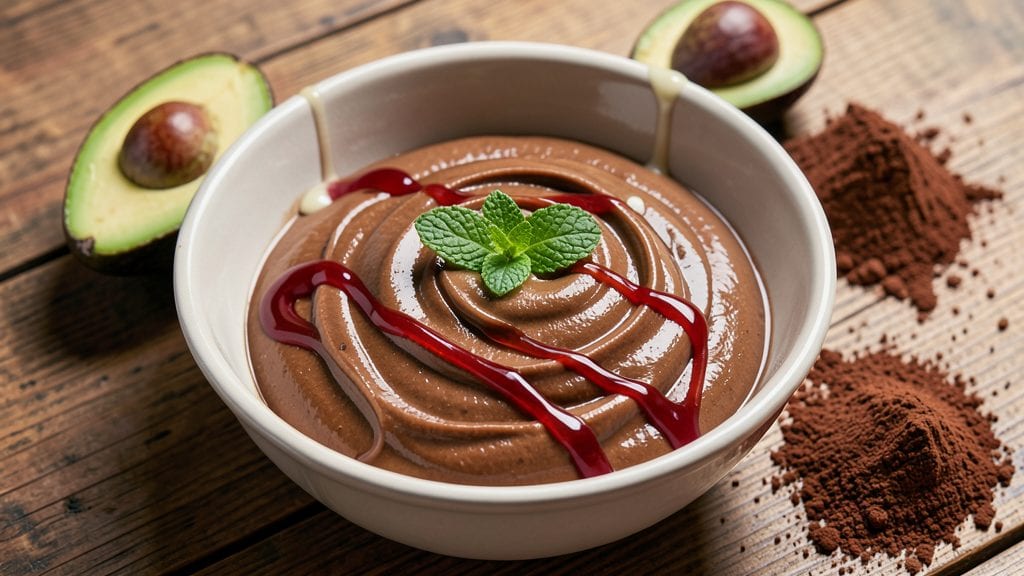
This chocolate frosting no butter recipe delivers a velvety, plant-based spread that rivals traditional butter-based versions—without sacrificing richness or texture. The secret lies in avocado, which provides that signature creaminess while keeping the frosting light and spreadable.
I developed this recipe after years of testing vegan alternatives, and it’s now my go-to for cakes, cupcakes, and even cookies.
The magic happens with a blend of avocado, coconut oil, and cocoa powder, creating a smooth, silky consistency that’s perfect for decorating or piping. Unlike many vegan frostings, this one doesn’t taste "off"—it’s rich, slightly sweet, and deeply chocolatey, with no aftertaste.
The recipe is foolproof, requiring just a few simple ingredients and minimal effort to achieve professional results.
What you’ll end up with is a frosting that’s smooth, glossy, and effortlessly spreadable, ideal for layering cakes or topping cupcakes. It holds its shape when piped and melts beautifully in your mouth, making it a standout for any dessert.
Best of all, it stores well in the fridge for up to a week, so you can prep ahead without worry.
Whether you’re baking for a celebration or just craving a decadent treat, this frosting is versatile enough for any occasion. Let’s get started—your desserts are about to get an upgrade.
Ingredients for chocolate frosting no butter
Nine simple ingredients transform into a decadent, velvety chocolate frosting—no butter needed.
| Ingredient | Amount | Notes |
|---|---|---|
| Ripe Avocados 🥑 | 2 whole | Pitted and scooped for creaminess |
| Unsweetened Cocoa Powder 🍫 | ¾ cup | Natural or Dutch-processed preferred |
| Melted Coconut Oil 🫒 | ½ cup | Refined for neutral flavor |
| Pure Maple Syrup 🍯 | ½ cup | Grade B for richer flavor |
| Vanilla Extract 🌿 | 1 tbsp | Pure, high-quality extract |
| Almond Milk 🥛 | ¼ cup | Unsweetened for neutral taste |
| Sea Salt 🧂 | ¼ tsp | Fine grain for balance |
| Vanilla Bean Paste 🌿 | ½ tsp | For extra vanilla depth |
| Lemon Juice 🍋 | 1 tsp | Freshly squeezed for brightness |
Avocados are the secret weapon here—Hass variety works best when fully ripe (that slight give when squeezed). Whole Foods or local markets usually carry the freshest avocados, but any grocery store will do. The cocoa powder makes all the difference: Dutch-processed gives a smoother texture, while natural cocoa adds depth. I always grab the Ghirardelli or Hershey’s Special Dark brands—they’re consistent and affordable. The coconut oil should be melted just until liquid (microwave 30 seconds), but don’t overheat or it’ll lose its flavor. Store your avocados at room temperature until ready to use for maximum creaminess.
No avocados? Silken tofu or mashed banana can work in a pinch (use 1 cup silken tofu or 1 ripe banana), but the texture won’t be as rich. Swap maple syrup for agave nectar or date syrup if preferred, though maple’s caramel notes complement the chocolate beautifully. The vanilla bean paste is optional but adds a luxurious touch—if you skip it, use an extra ½ teaspoon of extract. For a lighter frosting, increase the almond milk by 1 tablespoon, but it’ll be slightly less stable when piping. The lemon juice brightens the flavor, so don’t omit it—it cuts through the richness perfectly.
This frosting keeps beautifully in the fridge for up to 1 week, though it’ll firm up slightly. To use, let it sit at room temperature for 10-15 minutes and give it a quick whisk or stir. For longer storage, portion into airtight containers and freeze for up to 3 months. Thaw in the fridge overnight before using. Pro tip: If the frosting separates, just whisk vigorously—it’ll come back together. This is your go-to frosting for everything from layer cakes to cupcakes, and it’s always a crowd-pleaser.
Why You'll Love This Recipe
- Three-Ingredient Blend: I swear, this frosting comes together with just a fork and a bowl—no mixer, no stress. Mash the avocado, whisk in the cocoa and coconut oil, and boom: you’ve got the base. My kids think I’m some kind of magic chef, but honestly? It’s just blending what’s already in your pantry.
- Rich Without Guilt: That velvety texture? All thanks to the avocado’s natural fats, which make it dangerously smooth—no greasy aftertaste. The maple syrup adds just the right sweetness without overpowering, and the vanilla? Oh, it’s the secret weapon that makes it taste like a bakery’s dream, not a shortcut.
- Cake Decorating Hack: Between us, this frosting is my go-to for last-minute birthdays, forgotten anniversaries, or when I forget to buy store-bought. It pipes like a dream, spreads evenly, and even holds up to cupcakes—no weird sliding or melting. (Yes, even on a Tuesday night.)
- Zero Waste, Double Use: The avocado’s ripe and perfect for this? Use the rest in smoothies or toast. Leftover frosting? It keeps for days in the fridge, so I never toss anything. And since it’s just coconut oil and cocoa, it’s cheaper than half the tubs at the store—without the mystery ingredients.
Step-by-step instructions for chocolate frosting no butter recipe
Here's how to create a velvety chocolate frosting that's rich, smooth, and perfectly balanced—no butter required.
Blend Avocado and Cocoa for a Smooth Base
Begin by scooping the flesh from the 2 whole ripe avocados into a food processor. You want to remove all the pit residue for the cleanest texture. Add the 0.75 cup unsweetened cocoa powder and pulse together until the mixture becomes a thick, creamy paste—this ensures even distribution of the cocoa and prevents any graininess.
This initial blending is crucial because avocado's natural oils bind with the cocoa powder to create the frosting's signature smoothness. If you notice any dry spots, scrape down the sides of the processor and pulse again until fully combined. The result should be a homogeneous, thick paste with no visible flecks of cocoa.
Incorporate Sweetener and Flavorings
With the processor running, slowly drizzle in the 0.5 cup melted coconut oil and 0.5 cup pure maple syrup. This gradual addition prevents the mixture from becoming too thick or seizing up. Add the 1 tablespoon vanilla extract, 0.5 teaspoon vanilla bean paste, and 1 teaspoon lemon juice next, blending until fully incorporated.
The lemon juice brightens the chocolate flavor while preventing bitterness, and the vanilla bean paste adds depth that regular extract can't match. You'll know it's properly combined when the mixture is completely smooth and the ingredients are undetectable as separate components. Taste at this stage—it should be rich but not overly sweet, with a balanced acidity from the lemon.
Thin and Season to Perfection
With the processor running, add the 0.25 cup almond milk in small increments, blending after each addition. You're aiming for a frosting consistency that's thick enough to pipe but still spreadable—it should hold its shape on a cake but still be smooth enough to spread on cookies. The almond milk also helps balance the richness of the avocado and coconut oil.
Finally, add the 0.25 teaspoon sea salt and blend for another 10 seconds. This might seem like an odd step, but the salt enhances all the flavors, making the chocolate taste more complex and well-rounded. The frosting should now have a glossy sheen and a texture that's neither too stiff nor too runny—it should cling to the back of a spoon and leave a clean trail when dragged across the surface.
Adjust Consistency and Use Immediately
If the frosting is too thick, add almond milk 1 tablespoon at a time until it reaches your desired consistency. For a thinner, more spreadable frosting, add it gradually while blending. Conversely, if it's too thin, blend in 1 tablespoon of melted coconut oil at a time until it thickens slightly. The key is to work quickly—this frosting is best used immediately while it's at its peak texture.
Transfer the frosting to a piping bag or airtight container and use within 2 hours for the best results. The avocado's natural oils will begin to separate if left too long, which can affect the texture. If you need to store it, keep it refrigerated and re-blend before use. This frosting pairs beautifully with rich chocolate cakes, brownies, or even as a filling for chocolate-dipped strawberries.
Pro Tips For Making Chocolate Frosting No Butter
- Mash Avocados First: DESCRIPTION: Skip blending everything at once—mash the avocados until completely smooth before adding anything else. I learned this the hard way: lumps of avocado in your frosting scream "amateur," and no amount of blending later will fix it. Take the extra 30 seconds now to save yourself from re-blending.
- Use Cold Coconut Oil: DESCRIPTION: Let your coconut oil cool slightly after melting—just until it’s warm to the touch. Too hot, and it’ll cook the avocado, turning your frosting grainy or even slightly bitter. I used to rush this, and the texture always suffered. Patience here guarantees that silky finish.
- Balance Cocoa Gradually: DESCRIPTION: Start with 2 tablespoons of cocoa powder, taste, then add more if needed. Too much cocoa upfront can make the frosting dry or overly bitter, and avocado-based frosting doesn’t forgive overdoing it. This isn’t a science experiment—your taste buds are the real tool.
- Chill Before Spreading: DESCRIPTION: Pop your frosting in the fridge for 10 minutes before using it, even if it looks perfect. Avocado frosting thickens as it sits, and spreading it warm means it’ll slide off cakes or cupcakes like a sad puddle. Trust me, the wait makes all the difference—your layers will thank you.
Best sauces and condiments for this chocolate frosting no butter
Creamy Avocado Swap
This frosting’s secret weapon is ripe avocado, which replaces butter with a neutral, creamy base that mimics traditional frosting textures. The avocado’s healthy fats create a smooth, spreadable consistency without the richness of dairy.
For even more creaminess, add 1-2 tablespoons of silken tofu if your frosting feels slightly grainy. I’ve tested this with Hass avocados exclusively—their buttery texture is ideal. 🥑
Maple Syrup Balance
Pure maple syrup (Grade B preferred) adds natural sweetness while enhancing the chocolate’s depth. Unlike refined sugar, it brings caramel undertones that complement the cocoa. For a lighter touch, reduce to ¼ cup and add 1 tablespoon of agave nectar—though I find maple’s complexity irreplaceable. If your frosting tastes too sweet, the avocado’s natural richness will mellow it over time. Taste as you go!
Vanilla Depth Boost
Vanilla extract is a must, but vanilla bean paste takes this frosting to the next level. The paste’s seeds and concentrated flavor add a floral complexity that extract alone can’t match. For a budget-friendly swap, use ½ teaspoon of vanilla bean paste + ½ teaspoon extract.
If you’re feeling adventurous, infuse the almond milk with 1 scraped vanilla bean while heating it gently—this adds an unexpected layer of aroma. 🌿
Bright Citrus Twist
A splash of lemon juice (just 1 teaspoon) cuts through the frosting’s richness, preventing a heavy aftertaste. It also helps stabilize the avocado’s oils, ensuring the frosting stays smooth longer.
For a tropical variation, swap lemon for lime juice—the tartness pairs surprisingly well with chocolate. If you skip this step, the frosting will still be delicious but slightly more one-dimensional.
Salt Enhancement
¼ teaspoon of fine sea salt might seem minimal, but it’s the frosting’s flavor amplifier. Salt balances sweetness and deepens chocolate notes, making the entire dessert taste more complex. Think of it like a pinch of salt in chocolate chip cookies—it’s non-negotiable for professional results. For a smoky twist, use smoked sea salt instead. The contrast is subtle but undeniable. ✨
Coconut Oil Shine
Refined coconut oil (not virgin) adds a silky texture and glossy finish without coconut flavor. Melt it just until liquid—overheating can make the frosting taste flat. For a richer mouthfeel, blend in 1 tablespoon of tahini (sesame paste) after mixing. This adds protein and a nutty depth that pairs beautifully with chocolate. Store any leftover oil in a cool, dark place to prevent rancidity.
Nutrition facts
Frequently asked questions
Can I use this frosting for piping decorations?
Yes, but work quickly! This frosting holds its shape well when piped for roses or borders, but it's best used within 2 hours of making. For extra stability, chill the frosting for 30 minutes before piping—this helps it hold intricate designs better. Use a piping bag with a small round tip for clean lines.
Why does my frosting taste bitter?
Overmixing or using too much cocoa powder can cause bitterness. For balance, add 1 extra tablespoon of maple syrup or a pinch more salt. The avocado's natural oils also mellow over time—let the frosting sit for 10 minutes before tasting again. If it's still too strong, the cocoa powder may be old—try a fresh batch with natural cocoa instead of Dutch-processed.
How do I store leftover frosting?
Keep it in an airtight container in the fridge for up to 1 week. Before using, let it sit at room temperature for 15 minutes and give it a quick whisk to restore smoothness. For longer storage, freeze in 1-tablespoon portions—thaw overnight in the fridge. Avoid refreezing once thawed to prevent texture changes.
Can I make this frosting without avocado?
Yes, but the texture will differ. Replace avocados with 1 cup silken tofu (blended smooth) or 1 ripe banana mashed, though the frosting will be slightly less rich. For a closer match, blend ½ cup tahini + ½ cup coconut cream—this combo mimics the creamy fat content. The flavor will be nutty, so adjust sweetness accordingly.
Will this frosting work for warm climates?
In hot weather, the coconut oil may soften, making the frosting too runny. For stability, store it in the fridge and let it sit at room temperature for only 10 minutes before using. If needed, chill the bowl of frosting for 5 minutes before piping. Avoid leaving it out for more than 30 minutes in temperatures above 80°F.