
Desserts
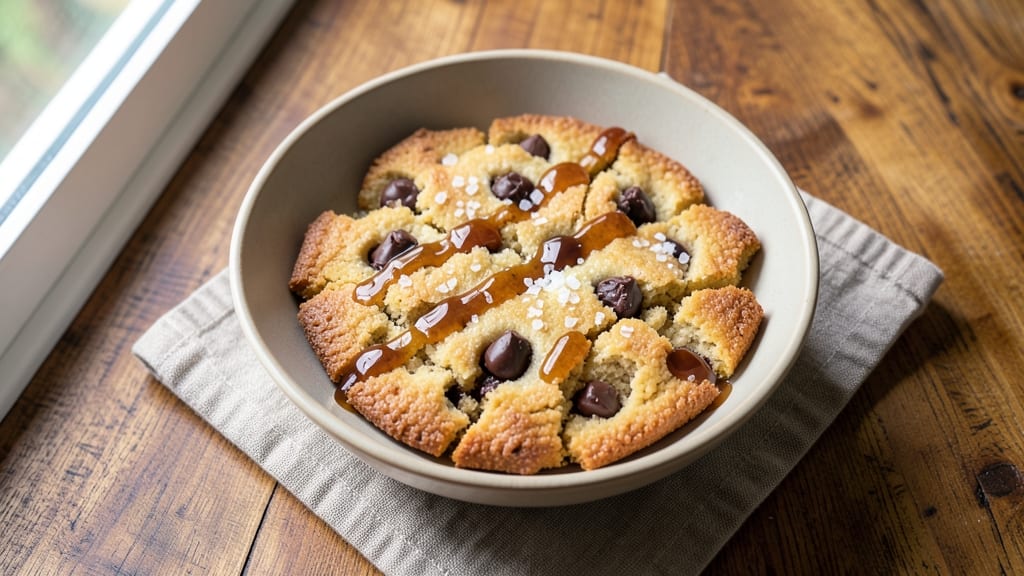
This chocolate chunk shortbread recipe delivers the perfect balance of buttery, crumbly texture with pockets of rich, melty chocolate in every bite. The secret lies in precise ingredient ratios and a gentle baking approach that preserves that signature tender crunch while ensuring the chocolate stays perfectly gooey.
I've perfected this version after years of testing—no dry edges or overly dense cookies here.
The foundation starts with cold butter and flour cut into a fine crumb, which creates that iconic shortbread texture. Adding chocolate chunks at the last minute ensures they melt into rivers during baking rather than sinking to the bottom.
A touch of vanilla elevates the flavor without overpowering the buttery base, while a sprinkle of flaky sea salt on top adds just the right contrast.
What you'll end up with are golden, buttery cookies with crisp edges and a tender, almost cake-like interior, punctuated by rivers of chocolate that ooze out when you cut into them.
These cookies stay fresh for days in an airtight container, making them ideal for gifting or stashing in your desk drawer for emergency sweet cravings.
Whether you're baking for a holiday gathering or treating yourself to a simple indulgence, this recipe delivers professional-quality results with minimal effort. The key is patience—don't overbake, and let the cookies cool completely before slicing to maintain that perfect texture. Let's get baking!
Ingredients for chocolate chunk shortbread
Nine simple ingredients for cookies that taste like a patisserie secret.
| Ingredient | Amount | Notes |
|---|---|---|
| Unsalted Butter 🧈 | 1 cup | Cold, cubed for cutting into flour |
| All-Purpose Flour 🌾 | 2 cups | Sifted for light texture |
| Granulated Sugar 🍚 | ¼ cup | Fine grain preferred |
| Vanilla Extract 🌸 | 1 tsp | Pure, high-quality vanilla |
| Flaky Sea Salt 🧂 | ½ tsp | For finishing (like Maldon) |
| Dark Chocolate Chunks 🍫 | 1 cup | 70% cacao minimum, chopped |
| Large Eggs 🥚 | 1 whole | Room temperature preferred |
| Baking Soda 🧪 | ¼ tsp | For gentle lift |
| Ground Cinnamon 🌿 | ¼ tsp | Optional, for warmth |
The butter is non-negotiable—European-style unsalted butter (like Plugrá) has more fat content, which gives those perfect melt-in-your-mouth pockets. Grab it from the gourmet section or specialty stores, but if you're in a pinch, regular unsalted works too. Keep it cold until mixing—this is where the magic happens. The flour? King Arthur or Bob's Red Mill are my go-tos for that tender crumb, but any all-purpose will do. Sift it first to avoid dense cookies. Dark chocolate chunks should be at least 70% cacao—Ghirardelli or Lindt are solid choices, but chop your own bars if you can. Pre-chopped chunks often have stabilizers that prevent proper melting.
No vanilla extract? Vanilla bean paste works too—just use half the amount. Short on sugar? Maple syrup or honey at half the quantity adds moisture but changes texture slightly. The cinnamon is optional but worth it—it pairs beautifully with the chocolate. If you're feeling fancy, swap the granulated sugar for turbinado sugar for a subtle caramel note. For chocolate substitutes, white chocolate chunks or chopped nuts (like pecans) work in a pinch. Just remember: the chunks should be roughly 1-inch pieces so they melt into rivers, not disappear entirely. And don't skip the egg—it adds richness and helps bind the dough without making it tough.
This dough is best made the night before—it chills perfectly while you sleep. Store it in the fridge, wrapped in plastic, for up to 3 days. Once baked, let the cookies cool completely on the pan for 10 minutes before transferring to a wire rack. They'll stay fresh in an airtight container for 5-7 days at room temperature, or freeze for up to 3 months. For gifting, wrap individual cookies in parchment and tie with twine—looks fancy, tastes even better. And if you're making these for a crowd, double the recipe—they disappear fast.
Why You'll Love This Recipe
- No-Fuss Magic: I swear, this comes together in one bowl—no mixer, no fuss. Just cold butter, sugar, and flour tossed with vanilla until it’s like crumbly sand, then pressed into chunks. My kids call it "the no-bake cookie," and they’re not wrong.
- Melty Perfection: That first bite—warm, buttery shortbread with sharp chocolate chunks melting into gooey pockets? It’s like a hug for your taste buds. Honestly, the sea salt finish makes it taste fancy, even though I’m just sprinkling it from a shaker.
- Party or Snack: Bring it to a holiday gathering or eat it straight from the pan while watching TV. It’s sturdy enough to pack in a lunchbox (yes, even my picky coworker ate hers) but still feels special enough for guests. No one will guess it’s basically a cookie you can make without rolling dough.
- Leftovers? More Like Zero Leftovers: Between us, these disappear fast—but the good news is, they keep for days in an airtight container. Cut them into smaller squares if you’re weak-willed, or freeze half for when you’re craving something rich but don’t want to bake. (Spoiler: you’ll still bake them anyway.)
Step-by-step instructions for chocolate chunk shortbread
Here's how to create buttery, crumbly shortbread with pockets of rich chocolate—no fancy tools required.
Cut Cold Butter Into Flour for Maximum Flakiness
Place the 1 cup unsalted butter in the freezer for 10 minutes to firm up. Cut it into ¼-inch cubes while it's still cold—this ensures even distribution and prevents melting during mixing. In a large mixing bowl, combine the 2 cups all-purpose flour, 0.25 cup granulated sugar, 0.25 tsp baking soda, and 0.25 tsp ground cinnamon. Whisk until just combined, then add the cold butter cubes.
Using your fingers or a pastry cutter, work the butter into the flour until the mixture resembles coarse crumbs with pea-sized butter pieces remaining. This texture is crucial—it creates the signature flaky layers. If the dough feels too dry, add 1 teaspoon ice water to help bind it without losing that perfect crumb. Press the dough into a loose ball and flatten into a 1-inch thick disk. Wrap tightly in plastic and refrigerate for 30 minutes to firm up.
Fold in Chocolate and Egg for Richness
Unwrap the chilled dough and let it sit at room temperature for 5 minutes to soften slightly. In the same bowl, gently fold in the 1 cup dark chocolate chunks using a silicone spatula. Distribute them evenly throughout the dough—you want pockets of chocolate in every bite. In a small bowl, lightly beat the 1 whole large egg and the 1 teaspoon vanilla extract together until just combined.
Make a well in the center of the dough and pour in the egg mixture. Use a fork to gently draw the dough toward the center, mixing just until the dough comes together. Avoid overworking it—this keeps the shortbread tender. The dough should hold its shape when pressed but still feel slightly crumbly. If it's too sticky, refrigerate for another 10 minutes to firm up.
Shape and Bake for Perfect Texture
Preheat your oven to 325°F and line a baking sheet with parchment paper. Divide the dough in half and flatten each half into a 12-inch round on the prepared baking sheet. Press down firmly and evenly with your hands—this ensures uniform thickness and even baking. Use a fork to prick the dough all over in a diamond pattern, about ½-inch apart. This creates those classic shortbread ridges and allows steam to escape for a tender crumb.
Bake for 35-40 minutes until the edges are deep golden brown and the centers look just slightly underbaked. The shortbread should pull away from the edges of the parchment paper but still feel soft in the middle. Rotate the pan halfway through baking for even heat distribution. Remove from the oven and let cool on the baking sheet for 10 minutes before transferring to a wire rack to cool completely.
Finish with Flaky Salt for Contrast
Once completely cool, use a sharp knife or pizza cutter to slice the shortbread into 12 wedges. Sprinkle generously with the 0.5 teaspoon flaky sea salt right before serving. The salt enhances the buttery richness and balances the sweetness of the chocolate. Store any leftovers in an airtight container at room temperature for up to 5 days, though these disappear quickly around the house.
For the best experience, serve at room temperature. The contrast of the warm, buttery shortbread with the cool, melty chocolate chunks makes every bite irresistible. If you're feeling fancy, dust with powdered sugar or drizzle with melted chocolate for extra decadence.
Pro Tips For Making Chocolate Chunk Shortbread
- Chill the Dough: DESCRIPTION:
- Cut Butter Cold: DESCRIPTION:
- Press Evenly: DESCRIPTION:
- Salt Last: DESCRIPTION:
Essential equipment for great chocolate chunk shortbread
Butter-Cutting Tools
For the signature flaky texture, you'll need a way to cut cold butter into flour efficiently. A pastry cutter (like the OXO Good Grips or Kitchenaid) is my go-to—it's precise and prevents overmixing.
If you don't have one, use two forks or your fingers, but work quickly to avoid melting the butter. For large batches, a food processor (pulse setting) works too, but don't overprocess or you'll end up with tough shortbread. 🧈
Mixing Essentials
A large mixing bowl (at least 8-inch diameter) gives you room to work, and a silicone spatula helps fold in chocolate chunks without breaking them. I prefer stainless steel bowls—they're durable and don't retain flavors.
For measuring, a scale (like the OXO Good Grips) ensures accuracy, but standard measuring cups work fine for this recipe. Avoid glass bowls—they can crack if you press too hard.
Baking Gear
Your oven needs to be preheated to 325°F for even baking, so a digital thermometer (like the Thermoworks Thermapen) helps maintain precision. Line your baking sheet with parchment paper (avoid silicone mats—they can cause uneven browning).
For shaping, I use a rolling pin (like the Nordic Ware) to press the dough evenly, but your hands work just as well. A wire cooling rack prevents soggy bottoms while cooling.
Chocolate Prep Tools
If you're chopping your own chocolate chunks, a sharp chef's knife or microplane works best for 70% cacao bars (like Ghirardelli). For pre-chopped chunks, skip this step—but if you're feeling fancy, a pizza cutter makes quick work of slicing the baked shortbread into wedges.
Store any leftover chocolate in an airtight container to keep it fresh for your next batch.
Finishing Touches
Flaky sea salt (like Maldon) needs a fine-mesh sieve or sprinkle bottle for even distribution. For presentation, a dusting brush helps apply powdered sugar lightly. If you're drizzling melted chocolate, a piping bag with a small tip (like Ateco #2) gives professional-looking lines.
Keep these tools handy—they elevate your shortbread from homemade to bakery-quality. ✨
Nutrition facts
Frequently asked questions
Why does my chocolate chunk shortbread turn out dense instead of crumbly?
Overmixing the dough is the #1 culprit—it develops gluten and makes the texture tough. Work the butter into the flour until it resembles coarse crumbs (pea-sized pieces remain), then mix just until combined when adding wet ingredients. Also, make sure your butter is cold and your oven is fully preheated to 325°F.
Can I make this recipe without an egg?
Yes! Replace the 1 egg with 1 tablespoon melted butter + 1 tablespoon milk for binding. The texture will be slightly less rich, but still delicious. For a vegan version, use 1 tablespoon aquafaba (chickpea brine) + 1 teaspoon cornstarch—whisk until frothy before adding to the dough.
How do I prevent the chocolate chunks from sinking to the bottom?
Fold them in last—right before shaping the dough—and keep them roughly 1-inch pieces. The butter creates pockets that hold the chocolate in place during baking. For extra insurance, chill the dough 15 minutes after adding chocolate to firm it up before pressing into the pan.
Can I bake these ahead for a holiday gathering?
Bake the shortbread 2 days ahead and store in an airtight container at room temperature. Reheat slices at 300°F for 5 minutes to restore crispness. For gifting, wrap individual wedges in parchment and tie with twine—they'll stay fresh for 5-7 days this way.
What's the best way to store leftovers?
Keep them in an airtight container at room temperature for 5 days, or freeze for 3 months. For reheating, wrap a slice in foil and warm at 350°F for 2-3 minutes. Avoid the microwave—it makes the shortbread gummy.