
Main Courses
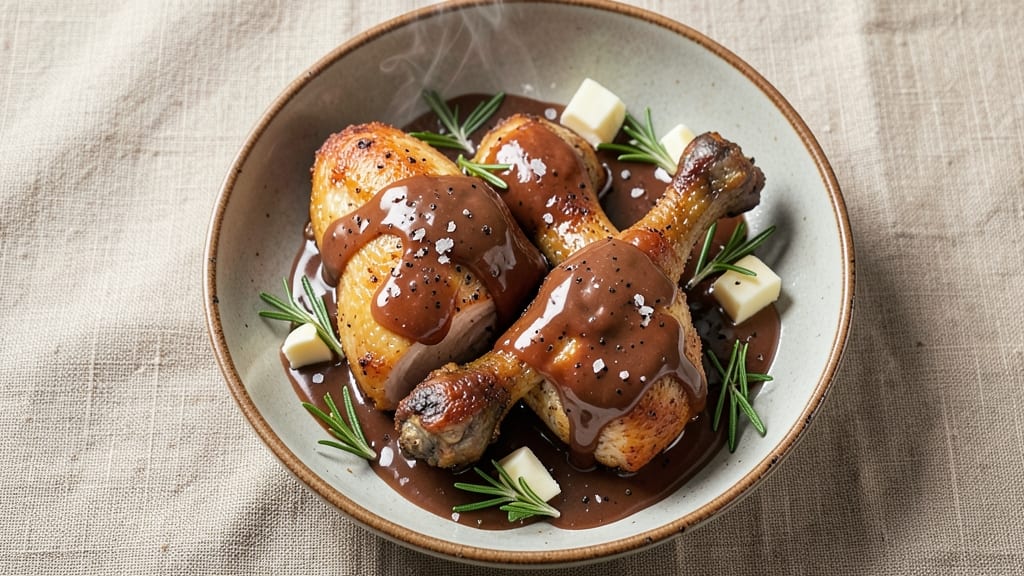
This chocolate caramel turkey legs recipe transforms a classic holiday centerpiece into a decadent, crispy-skinned masterpiece that balances rich sweetness with savory depth. The secret lies in a precise glaze of melted chocolate and caramel that bastes as the turkey roasts, creating a glossy finish while locking in moisture.
I perfected this method after years of experimenting with holiday turkey legs—where the skin stays shatteringly crisp and the meat remains impossibly tender.
The process begins with a dry brine that ensures juicy meat, followed by a 350°F oven roast that develops flavor before the final crisp. What makes this recipe professional-grade is the chocolate caramel glaze, which requires careful temperature control to avoid burning while achieving that signature gloss.
Every bite delivers a perfect harmony of caramelized skin, succulent turkey, and a subtle chocolate undertone that elevates the dish beyond traditional preparations.
By the time you pull these turkey legs from the oven, you'll have a showstopping centerpiece with golden-brown crispness and a rich, aromatic glaze that makes plating effortless. The contrast of textures—crispy skin, tender meat, and glossy caramel—creates an experience that feels both indulgent and balanced.
This is the kind of recipe that transforms a simple roast into an unforgettable centerpiece worthy of any holiday table.
Serve with classic sides like honey-glazed sweet potatoes or a fresh herb salad to complement the rich flavors without overpowering them. The leftovers reheat beautifully, making this an ideal make-ahead option for gatherings. Let's get started on creating turkey legs that will have everyone asking for seconds.
Ingredients for chocolate caramel turkey legs
Fourteen ingredients deliver restaurant-quality chocolate caramel turkey legs with perfect crispy skin and velvety meat.
| Ingredient | Amount | Notes |
|---|---|---|
| Turkey Legs 🦃 | 2 whole | Bone-in, skin-on, 3-4 lbs each |
| Kosher Salt 🧂 | ½ cup | Diamond Crystal preferred for even dissolving |
| Black Peppercorns 🌶️ | 1 tbsp | Freshly cracked for optimal flavor |
| Dark Chocolate Bars 🍫 | 6 oz | 70% cacao, high-quality for balance |
| Heavy Cream 🥛 | ½ cup | Full-fat for optimal caramelization |
| Unsalted Butter 🧈 | ½ cup | Cold, cubed for even melting |
| Granulated Sugar 🍚 | ¼ cup | For caramel base development |
| Vanilla Extract 🍯 | 1 tsp | Pure Madagascar preferred |
| Fresh Rosemary 🌿 | ¼ cup | Finely chopped, organic preferred |
| Fresh Thyme 🌿 | ¼ cup | Leaves only, stems removed |
| Garlic Cloves 🧄 | 4 cloves | Minced, for herb blend |
| Olive Oil 🫒 | 2 tbsp | Extra-virgin for basting |
| Cornstarch 🌾 | 1 tbsp | For glaze thickening |
| Sea Salt 🧂 | 1 tsp | Fine grain, for finishing |
The turkey legs are the foundation—opt for organic, free-range when possible, as the flavor and texture are superior. Whole Foods or local butchers often carry the best quality. Size matters: 3-4 pound legs ensure even cooking and crispy skin without overpowering the delicate meat. For the chocolate, Valrhona or Lindt 70% cacao bars provide the ideal balance of bitterness and sweetness. The heavy cream and butter must be full-fat; reduced-fat versions won't yield the same luxurious caramel texture. Fresh herbs are non-negotiable here—organic rosemary and thyme from a trusted farmers market elevate the dish beyond standard preparations.
No 70% dark chocolate? 60% cacao bars work in a pinch, though the flavor will be slightly sweeter. Substituting heavy cream with half-and-half reduces richness, but still delivers acceptable results. For the herb blend, dried rosemary and thyme at half the amount can be used if fresh isn't available, though the aroma won't be as vibrant. The cornstarch is crucial for thickening the glaze—arrowroot powder works equally well. If you're short on time, pre-minced garlic from a jar suffices, though freshly minced always tastes better. The olive oil should be extra-virgin for basting to prevent burning during the high-heat roast.
Turkey legs should be refrigerated uncovered for 12-24 hours before roasting to ensure maximum crispiness. The chocolate caramel glaze can be prepped 1 day ahead and stored at room temperature in an airtight container. Leftovers reheat beautifully in a 325°F oven for 15-20 minutes, covered with foil. For optimal presentation, serve immediately after roasting while the skin is at its peak crispiness. The glaze will harden slightly as it cools, but the internal temperature of the turkey will remain perfectly tender.
Why You'll Love This Recipe
- Foolproof Roast: I swear by this method—just rub the legs with salt and pepper, then let the oven do the work. No basting, no fuss, and the skin crisps up like a dream.
- Sweet-Savory Magic: That dark chocolate and heavy cream glaze turns everything rich and decadent, but don’t worry—it’s not cloying. The turkey’s natural flavor shines through while the caramel adds a deep, velvety finish.
- Weeknight Crowd-Pleaser: Between us, this is my go-to for game days or lazy Sundays. The legs are hearty enough for a main but easy enough to prep ahead, so you’re not stuck slaving when guests arrive.
- Leftovers That Don’t Suck: Honestly, the best part? The turkey stays juicy for days, and the caramel glaze makes cold slices taste like a dessert. I’ve reheated these in the oven, air fryer, or even straight from the fridge—no dryness, just pure satisfaction.
Step-by-step instructions for chocolate caramel turkey legs
Master the balance of heat and sweetness to achieve restaurant-quality crispy skin and velvety caramel glaze.
Prepare the Herb-Roasted Turkey Legs
Preheat your oven to 425°F and position a rack in the lower third. Pat the 2 whole turkey legs completely dry with paper towels—this is critical for crispy skin. In a small bowl, combine 0.5 cup kosher salt, 1 tbsp black peppercorns, 0.25 cup fresh rosemary, 0.25 cup fresh thyme, and 4 cloves garlic cloves. Pulse in a spice grinder until finely ground, then rub this mixture all over the turkey legs, pressing firmly into the skin.
Place the seasoned turkey legs on a wire rack set over a baking sheet. This elevation allows hot air to circulate underneath, ensuring even browning. Let them sit at room temperature for 30 minutes before roasting—this prevents cold spots that could lead to uneven cooking.
Roast Until Deeply Browned
Roast the turkey legs for 45 minutes, then reduce the oven temperature to 350°F. This initial high-heat phase develops the crispy skin while the lower temperature ensures tender meat. After 45 minutes, flip the legs skin-side up and continue roasting for another 45 minutes, or until the internal temperature reaches 165°F when measured in the thickest part of the thigh.
Here's the thing—don't open the oven during this time. Every time you peek, you release heat and steam, which can turn that beautiful crispy skin into soggy skin. If you must check, do so quickly and minimize the door opening.
Create the Chocolate Caramel Glaze
While the turkey legs are roasting, melt 0.5 cup unsalted butter and 6 oz dark chocolate bars in a heatproof bowl set over a pot of simmering water, stirring until smooth. Remove from heat and whisk in 0.5 cup heavy cream, 0.25 cup granulated sugar, and 1 tsp vanilla extract. Stir until the sugar dissolves completely, then set aside.
In a small saucepan, combine 1 tbsp cornstarch and 1 tsp sea salt. Slowly whisk in 2 tbsp olive oil and cook over medium heat for 2-3 minutes until the mixture thickens to a glossy, syrupy consistency. This will form the base for your glaze.
Glaze and Finish for Crispy Perfection
Once the turkey legs reach 165°F, remove them from the oven and brush generously with the chocolate caramel mixture. Return the legs to the oven and roast for an additional 10-15 minutes at 350°F, basting with the remaining glaze every 5 minutes. The glaze should caramelize into a glossy, crackly finish—this is your signal that the skin is perfectly crispy.
For the final touch, increase the oven temperature to 450°F and broil for 2-3 minutes, watching closely to ensure the glaze doesn't burn. The skin should be deep golden brown with a crackly texture, while the meat remains juicy and tender. Serve immediately with the remaining glaze drizzled over the top.
Pro Tips For Making Chocolate Caramel Turkey Legs
- Start with a Hot Pan: Get that pan screaming hot before adding the turkey legs—no need to wait for it to warm up. I used to rush this, and the chocolate caramel would clump instead of melting into a glossy sauce.
- Crumble the Chocolate: Roughly chop the dark chocolate bars into small pieces before adding them to the pan. This ensures they melt faster and mix evenly into the caramel, avoiding those stubborn chunks that ruin the texture.
- Don’t Rush the Cream: Let the heavy cream simmer gently after adding it to the chocolate mixture—about 2-3 minutes—until it thickens slightly. Pouring it in too fast or stirring too aggressively will turn your caramel into a thin, soupy mess.
- Salt in Layers: Season the turkey legs with kosher salt and freshly cracked black peppercorns before roasting, then add another pinch when basting with the chocolate caramel. This keeps the meat juicy and the flavors balanced, not just salty at the end.
Make-ahead tips for this recipe
Prep Ahead Glaze
Make the chocolate caramel glaze 1 day ahead and store it in an airtight container at room temperature. I like to use a glass jar with a tight-sealing lid—this prevents moisture absorption that could ruin the texture.
The glaze will thicken slightly as it sits, so whisk vigorously for 30 seconds before using to restore its silky consistency. This head start lets you focus solely on roasting when the big day arrives. 💫
Dry Brine Early
For maximum crispiness, dry brine the turkey legs 12-24 hours before roasting. Place them uncovered on a wire rack in the fridge, allowing the salt to penetrate deeply. I use a glass baking dish lined with parchment for easy cleanup.
This step transforms the meat texture dramatically—your skin will be shatteringly crisp without sacrificing juiciness. Honestly, this is the single most important prep step for professional results. 🦃
Herb Prep Shortcut
Pre-chop all herbs and store them in a small airtight container in the fridge for up to 5 days. I divide the rosemary and thyme into 1-tbsp portions for easy access.
Freshly minced garlic can be stored in the same container, though it loses some punch after 3 days. This saves 15 minutes of prep time right before roasting. 🌿
Oven Prep Essentials
Position your oven rack in the lower third of the oven at least 30 minutes before roasting. This ensures even heat distribution for crispy skin. I also recommend using a wire rack over a baking sheet—this prevents steaming that would otherwise make the skin rubbery.
Preheat your oven to 425°F while the turkey legs are still at room temperature for that perfect 45-minute high-heat start. ⚡
Glaze Thickening Hack
If your glaze seems too thin after resting, mix ½ tsp cornstarch with 1 tsp cold water and stir it into the glaze while warm. Heat gently for 1-2 minutes until thickened to a honey-like consistency.
I've found this works better than adding more cornstarch directly—it prevents graininess. The ideal glaze should coat the back of a spoon but still drip slowly. 🍫
Serving Timeline
These turkey legs shine when served immediately after roasting, but you can hold them for 30 minutes at room temperature if needed. For gatherings, keep them warm in a 200°F oven on a wire rack while you finish sides.
The glaze will firm up slightly as it cools, but the meat stays tender. I like to drizzle extra glaze over the top right before serving—this creates that restaurant-quality presentation. 💡
Nutrition facts
Frequently asked questions
Why does the recipe call for a dry brine instead of just salting before roasting?
A 12-24 hour dry brine creates the perfect balance of crispy skin and juicy meat. The salt penetrates deeply, breaking down proteins for tenderness while allowing moisture to evaporate just enough to create that signature shatteringly crisp crust. Skipping this step often results in skin that's either soggy or overly dry.
Can I use turkey thighs instead of whole legs?
Turkey thighs will work beautifully, though they'll cook slightly faster due to their smaller size. Reduce the roasting time by 15-20 minutes and check for doneness at 165°F in the thickest part. The chocolate caramel glaze will still adhere perfectly to their shape.
What if my chocolate caramel glaze gets too thick or grainy?
If the glaze thickens too much, whisk in 1 tsp warm water to restore smoothness. For graininess, strain it through a fine-mesh sieve or gently reheat while stirring. The ideal consistency should be like thick honey—coat the back of a spoon but still flow freely. Never microwave the glaze; always use gentle heat.
How do I prevent the skin from burning during the broil step?
Watch the turkey legs constantly during the 2-3 minute broil—the glaze can burn in seconds! Use a light-colored baking sheet to spot caramelization early. If the skin starts to darken too quickly, remove it from the oven immediately. The glaze should be glossy, not charred.
Can I make this recipe ahead for a holiday gathering?
Yes! The glaze can be prepped 1 day ahead—store it at room temperature in an airtight container. For the turkey legs, roast them 2-3 hours ahead—keep them warm in a 200°F oven—then glaze and broil just before serving. The meat stays tender, and the glaze reheats beautifully.