Desserts
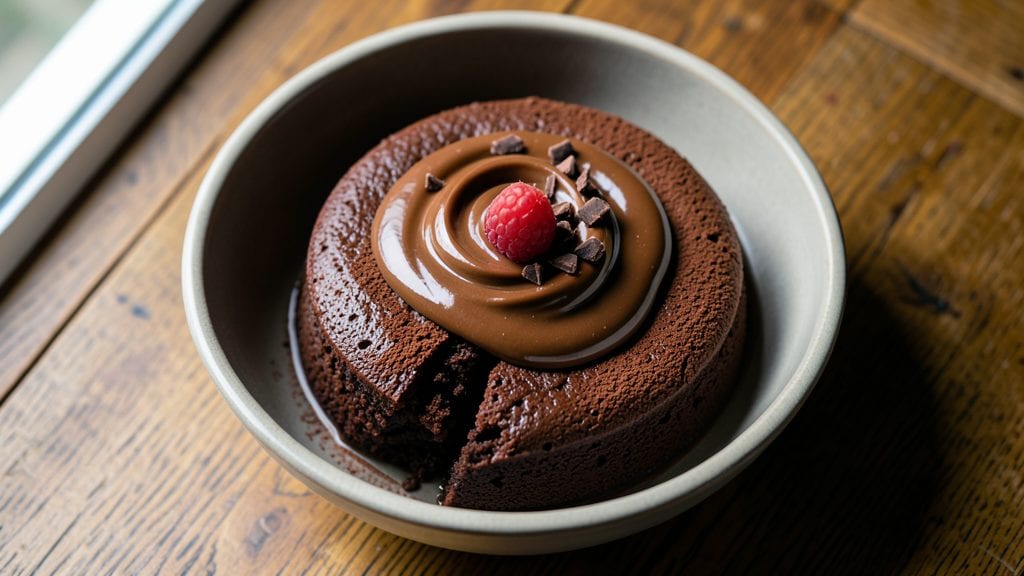
This chocolate cake recipe without buttermilk and baking powder delivers moist, tender layers that rival traditional recipes—no special ingredients required. The secret lies in a simple sour cream swap for buttermilk and a clever leavening alternative that creates perfect rise without baking powder.
After years of testing substitutions, I’ve perfected this method to ensure every slice stays rich, fudgy, and perfectly balanced.
What sets this recipe apart is its foolproof technique that works even for beginners. Sour cream replaces buttermilk for moisture, while a combination of baking soda and vinegar creates the lift needed for fluffy layers.
The result? A cake with a velvety crumb and deep chocolate flavor that stays moist for days—no dryness or crumbly texture here. The oven time is precise, and the mixing process is straightforward.
By the time you pull this cake from the oven, you’ll have golden-brown layers with a crackly top and a center that’s just set—never gummy or underdone.
The frosting (if you choose to add it) will melt into those tender crumbs, creating a dessert that tastes like it came from a bakery. This recipe proves you don’t need buttermilk or baking powder to achieve restaurant-quality chocolate cake.
Perfect for birthdays, holidays, or just because—this cake scales easily for crowds and keeps well at room temperature. The substitutions are simple, the instructions are clear, and the results are consistently impressive. Let’s get baking!
Ingredients for chocolate cake recipe without buttermilk and baking powder
Twelve simple ingredients transform into moist layers without buttermilk or baking powder.
| Ingredient | Amount | Notes |
|---|---|---|
| All-Purpose Flour 🌾 | 2 cups | Sifted for even texture |
| Unsweetened Cocoa Powder 🍫 | ¾ cup | Natural or Dutch-processed |
| Granulated Sugar 🍚 | 1 ½ cups | White or light brown |
| Sour Cream 🥛 | 1 cup | Full-fat for moisture |
| Vegetable Oil 🫒 | ½ cup | Light or canola preferred |
| Large Eggs 🥚 | 2 whole | Room temperature for blending |
| Distilled White Vinegar 💧 | 1 tbsp | For chemical leavening |
| Baking Soda 🧂 | ½ tsp | Pure baking soda |
| Salt 🧂 | ½ tsp | Fine sea salt |
| Hot Water 💧 | ½ cup | Near boiling for cocoa |
| Vanilla Extract 🌿 | 1 tbsp | Pure vanilla preferred |
| Instant Espresso Powder ☕ | 1 tsp | Enhances chocolate depth |
The cocoa powder is critical—Valrhona or Guittard brands deliver the deepest flavor. For the sour cream, full-fat works best—low-fat versions can yield a denser crumb. The vinegar and baking soda combo creates lift without baking powder, so measure carefully. Hot water activates the cocoa for smoother batter. Eggs should be room temperature to blend seamlessly with the oil. For the espresso powder, Starbucks or Nescafé work perfectly—just one teaspoon intensifies the chocolate notes without bitterness.
No sour cream? Greek yogurt at the same quantity works nearly as well, though texture may vary slightly. Running short on cocoa powder? Melted dark chocolate at a 1:1 ratio substitutes, but reduce other liquids by 2 tablespoons. Vinegar can be swapped for lemon juice at equal measure, though flavor will shift subtly. For vanilla, imitation extracts lack depth—worth the splurge here. The sugar can be light brown for caramel undertones, but white granulated ensures consistent results. Prefer a richer cake? Add 1 ounce melted butter to the oil measurement.
This cake keeps beautifully—3-4 days at room temperature wrapped tightly in plastic. For longer storage, freeze layers for up to 3 months between parchment paper. Reheat slices in a 200°F oven for 5-10 minutes to restore moisture. The frosting (if using) should be applied to slightly cooled layers to prevent melting. For make-ahead convenience, bake and freeze layers unfrosted—they thaw in 1 hour at room temperature.
Why You'll Love This Recipe
- No-Stress Mixing: I swear by this recipe because it’s literally just whisking dry ingredients into wet—no sifting, no measuring buttermilk, no fuss. The sour cream does all the heavy lifting for moisture, and the oil keeps it tender without needing extra steps.
- Deep Chocolate Love: That cocoa powder? It’s real—none of that Dutch-processed stuff that tastes like dust. The sugar melts into the flour and oil like magic, giving you a cake that’s rich but not heavy, with a crumb so fine it practically dissolves.
- Weeknight Hero: Between us, this is my go-to for last-minute birthdays or "I’m-not-cooking-but-we-need-dessert" nights. It bakes in one bowl, cuts cleanly, and even tastes better the next day—so you can make it ahead and still impress.
- Budget-Friendly Luxury: Honestly, this costs me pennies but tastes like a bakery cake. Flour, cocoa, sugar—those are the only pricier bits, but they stretch far. A single batch feeds six, and leftovers? They disappear faster than I can say "seconds."
Step-by-step instructions for chocolate cake without buttermilk and baking powder
This method delivers rich, moist layers using sour cream and vinegar for perfect rise and texture.
Create the Cocoa Paste for Maximum Flavor
In a medium bowl, combine the 0.75 cup unsweetened cocoa powder with the 0.5 cup hot water and 1 tbsp distilled white vinegar. Stir vigorously until completely dissolved and smooth. The mixture should transform into a thick, velvety chocolate paste—this is your secret weapon for deep flavor and moisture. Let it cool slightly while you prepare the remaining ingredients.
Here's the thing—hot water activates the cocoa powder differently than cold, creating a richer base. The vinegar also reacts with the baking soda later to produce lift without traditional baking powder. Don't skip letting it cool; adding it too hot to the wet ingredients can cause the eggs to curdle.
Whisk Wet Ingredients for Light, Airy Texture
In a separate large bowl, whisk together the 1.5 cups granulated sugar, 0.5 cup vegetable oil, 2 whole large eggs, 1 tbsp vanilla extract, and 1 tsp instant espresso powder until fully combined and slightly thickened. The mixture should be uniform with no visible streaks of oil or sugar. This step ensures even distribution of all flavors and creates a stable base for the leavening agents.
I use a hand mixer for this—it incorporates air more efficiently than whisking by hand. You'll notice the mixture lighten in color slightly as you mix, which indicates proper aeration. This is where the cake's tender crumb begins to form.
Combine Dry Ingredients and Fold in Wet Mixtures
In a third bowl, sift together the 2 cups all-purpose flour, 0.5 tsp baking soda, and 0.5 tsp salt. This step prevents lumps and ensures even distribution of the leavening agent. Gently fold the dry ingredients into the wet mixture in three additions, alternating with the cooled cocoa paste. Start and end with the dry ingredients to maintain proper texture.
Use a spatula to fold just until combined—overmixing develops gluten and makes the cake dense. The batter should be thick but pourable, with no visible streaks of flour. Here's where the magic happens: the sour cream you'll add next provides moisture and tenderness without the need for buttermilk.
Incorporate Sour Cream for Unmatched Moisture
Add the 1 cup sour cream to the batter and fold gently until just combined. The sour cream's fat content creates a tender crumb while its acidity enhances the chocolate flavor. At this point, the batter should be smooth and glossy with a thick, cake-like consistency. If it appears too thick, you can add 1-2 tablespoons of hot water to loosen it slightly without compromising texture.
This is the moment that matters: the sour cream's acidity reacts with the baking soda to create lift, while its fat content ensures moistness. Don't be tempted to add more flour—this recipe is designed to be perfectly balanced with the given quantities.
Bake for Perfectly Moist Layers
Preheat your oven to 350°F and prepare two 8-inch round cake pans by greasing them thoroughly with vegetable oil and lining the bottoms with parchment paper. Divide the batter evenly between the pans. Bake for 30-35 minutes, or until a toothpick inserted into the center comes out with moist crumbs but no wet batter.
The cake should have a slightly domed top with a crackly crust on the edges. Here's the key: don't overbake. The residual heat will continue cooking the center slightly after removal from the oven. Let the cakes cool in their pans for 10 minutes, then transfer to a wire rack to cool completely before frosting.
Pro Tips For Making Chocolate Cake Recipe Without Buttermilk And Baking Powder
- Sift the Cocoa: Mixing cocoa powder into dry ingredients without sifting creates lumps that ruin texture—especially in this recipe where sour cream and oil are already fighting for moisture. Use a fine-mesh sieve and tap it firmly over the bowl (I learned this the hard way after pulling out golf-ball-sized clumps from my first attempt).
- Whip the Sour Cream: Stiff peaks in your sour cream make the cake denser than a brick. Beat it just until it thickens slightly—think ribbons, not meringue. Over-whipping adds air you don’t need when you’re already missing baking powder’s lift.
- Grease and Flour Like It’s 1953: This cake sticks like glue if you’re lazy with the pan prep. Use vegetable oil (not butter) to grease, then dust with flour and tap out excess—no residue means no cake clinging to your fingers when you pull it out. (Yes, even if you’re impatient like me.)
- Test for Doneness at 160°F: The oven light trick fails here. Insert a toothpick into the center—it should come out with moist crumbs, not wet batter. If it’s underdone, tent with foil and bake 5–10 more minutes. Overbaking turns this cake into a sad, dry sponge.
Wine and beer pairings for this chocolate cake recipe without buttermilk and baking powder
Rich Red Wine
This cake’s deep chocolate flavor pairs beautifully with a bold red wine that complements its richness without overpowering it. I recommend a Cabernet Sauvignon from Napa Valley—its dark fruit notes and subtle oak enhance the cake’s cocoa depth.
For a smoother option, try a Malbec from Argentina, which offers plum and blackberry undertones that mirror the chocolate’s complexity. Serve slightly chilled to let the wine’s acidity cut through the cake’s density. 🍷
Sweet Dessert Whites
If you prefer white wine, opt for a sweet Riesling from Germany or Alsace, where its honeyed apple and peach notes harmonize with the chocolate’s sweetness. A Moscato d’Asti from Italy adds a light, fizzy contrast that cleanses the palate between bites.
These wines are fruity enough to stand up to the cake’s richness while keeping the experience refreshing. 🍇
Creamy Port Pairing
For a decadent twist, serve the cake with a Ruby Port—its caramel and berry flavors create a luxurious pairing that feels like a dessert within a dessert. The port’s viscosity coats the palate, making each bite of cake even more indulgent.
I like to pour a small glass (about 2 ounces) alongside each slice for a dessert experience that feels special. 🥂
Craft Beer Options
For beer lovers, a stout like Guinness or a chocolate stout (such as Founders Kentucky Breakfast Stout) mirrors the cake’s cocoa notes perfectly. The roasted malt flavors in stouts create a cohesive pairing that feels intentional.
Alternatively, a Belgian Dubbel offers a malty sweetness with spiced undertones that complement the cake’s richness. 🍺
Coffee Liqueur
If you want to elevate the experience, drizzle a small amount of Kahlúa coffee liqueur over the cake or serve it alongside. The coffee’s bitterness enhances the chocolate’s depth, while its sweetness balances the cake’s richness.
A shot of Kahlúa in a demitasse cup makes for a sophisticated after-dinner treat. ☕
Non-Alcoholic Pairings
For a non-alcoholic option, serve the cake with chilled chai tea—its spiced notes (cinnamon, cardamom, ginger) create a warm contrast to the cool chocolate. Alternatively, a sparkling grape juice like Welch’s Concord pairs surprisingly well, offering a light effervescence that refreshes the palate. 🍵
Nutrition facts
Frequently asked questions
Can I substitute Greek yogurt for the sour cream in this recipe?
Yes, you can use 1 cup plain Greek yogurt as a 1:1 substitute for the sour cream. The texture will be slightly denser but still moist. For best results, choose full-fat yogurt to maintain richness. The acidity will still react with the baking soda to create lift, though you may need to add 1 tablespoon extra hot water if the batter feels too thick.
Why does this recipe use vinegar instead of baking powder?
The vinegar and baking soda combination creates a chemical reaction that produces carbon dioxide for lift, just like baking powder. The vinegar activates the baking soda when mixed, resulting in a tender crumb without the need for traditional leavening agents. This method is especially useful when you want to avoid baking powder for dietary reasons or simply don't have it on hand.
How do I prevent my cake from cracking on top?
Cracking often happens when the cake bakes too quickly or the oven runs too hot. To avoid this, ensure your oven is fully preheated to 350°F and place the cake pans on the middle rack. Avoid opening the oven door during the first 20 minutes of baking. If your oven runs hot, reduce the temperature to 325°F and bake for 35-40 minutes. A crackly top is normal, but deep cracks may indicate overbaking.
Can I make this cake in a 9-inch pan instead of 8-inch?
Yes, but you'll need to adjust the baking time. For a 9-inch pan, reduce the batter by about 15-20% (or roughly 0.3-0.4 cups) to avoid an overflowing cake. Bake for 25-30 minutes instead of 30-35. The cake will be slightly thinner but still moist. Always check with a toothpick to ensure doneness.
What’s the best way to store leftover cake?
Wrap the cake tightly in plastic wrap or store it in an airtight container at room temperature for up to 4 days. For longer storage, freeze the layers (without frosting) for up to 3 months between parchment paper. To restore moisture, reheat slices in a 200°F oven for 5-10 minutes or microwave for 10-15 seconds. Avoid refrigerating unfrosted cake—it can dry out faster.