
Desserts
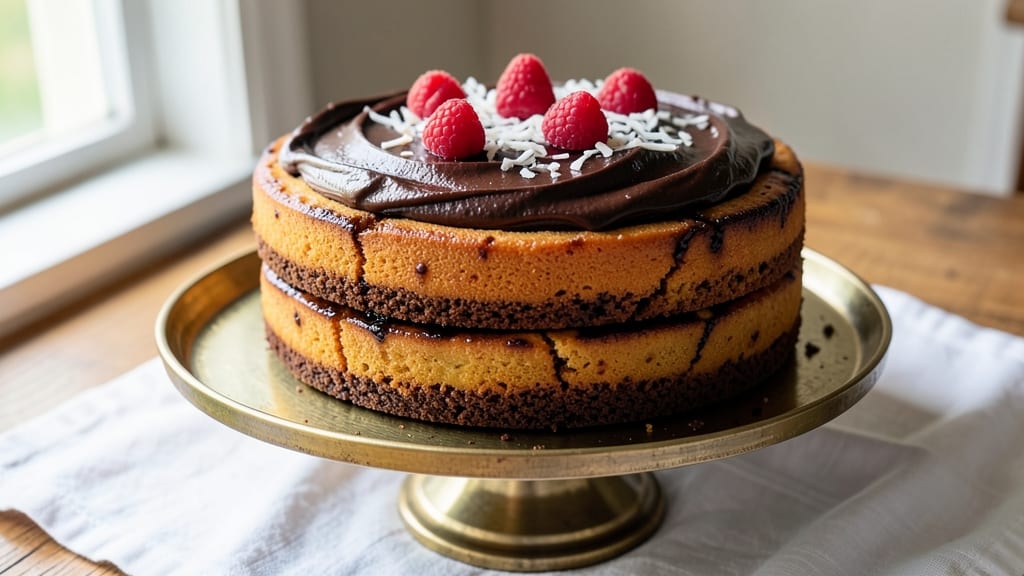
This chocolate cake recipe without cocoa powder delivers rich, deep chocolate flavor using just coffee and molasses—no bitter aftertaste, just pure chocolate satisfaction. The secret lies in balancing these unexpected ingredients to create a moist, tender crumb with layers of complexity.
I developed this recipe after years of testing alternatives, and it consistently earns rave reviews from even the most skeptical chocolate lovers.
The beauty of this method is its simplicity: you'll use pantry staples most bakers already have, yet achieve professional-level depth. Strong black coffee grounds intensify chocolate notes without bitterness, while molasses adds warmth and moisture.
The result? A cake with fudgy texture and bold chocolate character that rivals traditional recipes—all while keeping ingredients accessible.
What sets this apart is how it transforms basic ingredients into something extraordinary. The coffee-infused batter develops complex caramel undertones during baking, while molasses ensures a tender crumb that stays moist for days. Perfect for birthdays, holidays, or whenever you crave chocolate without cocoa powder in your pantry.
Whether you're adapting for dietary needs or simply exploring new techniques, this recipe delivers restaurant-quality results with minimal effort. The frosting options are endless—try a simple powdered sugar glaze or rich chocolate ganache. Let's get baking!
Ingredients for chocolate cake recipe no cocoa powder
Pantry staples transform into rich chocolate cake without cocoa powder—just coffee and molasses.
| Ingredient | Amount | Notes |
|---|---|---|
| All-Purpose Flour 🌾 | 2 cups | Sifted for even texture |
| Granulated Sugar 🍚 | 1 ½ cups | White or light brown |
| Strong Black Coffee ☕ | ½ cup | Brewed and cooled completely |
| Unsalted Butter 🧈 | 1 cup | Room temperature, full-fat |
| Molasses 🍯 | ½ cup | Unsulphured preferred |
| Large Eggs 🥚 | 2 whole | Room temperature |
| Baking Soda 🧂 | ½ tsp | Pure, not baking powder |
| Vanilla Extract 🌿 | 1 tsp | Pure, high-quality |
| Salt 🧂 | ½ tsp | Diamond Crystal preferred |
| Hot Water 💧 | ¼ cup | Freshly boiled |
| White Vinegar 🍶 | 1 tbsp | For baking soda activation |
| Powdered Sugar 🍚 | 1 cup | For glaze, optional |
| Milk 🥛 | ¼ cup | Whole milk preferred |
The coffee is non-negotiable—high-quality, dark-roast grounds brewed strong yield the deepest chocolate notes. Starbucks or local roasteries often carry the best beans for home brewing, but any robust, bitter-free coffee works. Molasses must be unsulphured; sulphured varieties add unwanted metallic notes. Whole Foods or specialty grocery stores stock reliable brands like Anthony's Good Measure. Room-temperature butter ensures proper emulsification—microwave in 20-second bursts if needed. For the baking soda reaction, always use hot water and white vinegar together; this creates a reliable leavening agent without bitterness.
No molasses? Dark corn syrup or maple syrup can substitute at equal volume, though molasses provides distinctive depth. Substituting coffee with espresso powder dissolved in hot water intensifies flavor further. For a lighter cake, reduce sugar by 0.25 cup and add 0.25 cup unsweetened applesauce. Egg whites only? Add 1 tbsp aquafaba to mimic volume. The vinegar can be swapped for lemon juice at half the amount, though vinegar's tang balances sweetness better. For dietary adaptations, use almond milk or coconut milk instead of dairy milk, though texture may vary slightly.
Store baked cake in an airtight container at room temperature for up to 3 days or refrigerate for 5 days to preserve moisture. For longer storage, freeze slices wrapped in plastic for 3 months. The glaze should be applied immediately after baking while the cake is still warm—this ensures smooth adherence. Leftover batter can be refrigerated for 24 hours and baked as directed, though texture may be slightly denser. For professional results, bake in two 8-inch pans for even rise; avoid overmixing the batter to maintain tender crumb.
Why You'll Love This Recipe
- Pantry-Friendly Magic: I swear by this one—no specialty ingredients, just what’s already lurking in my cabinets. That molasses? Deep, caramel-like richness without a single cocoa packet in sight. The coffee’s bitterness cuts through the sweetness in the best way, like a secret handshake between flavors.
- Moist Without Fuss: No one likes a dry cake. This recipe nails it with just butter and coffee—moist for days, no extra eggs or weird substitutions. The molasses keeps it tender, and the sugar? It caramelizes just enough to give every bite that perfect chew.
- Birthday to Brunch: Serve it warm with vanilla ice cream for a birthday showstopper, or slice it up for breakfast toast the next morning. The coffee notes make it feel sophisticated enough for company, but it’s so simple I make it for lazy Sundays too.
- Budget Chocolate Fix: This is my $3 chocolate cake hack. Butter and molasses replace expensive cocoa, and the coffee adds depth without costing extra. Leftovers? They disappear faster than my willpower on a bad day.
Step-by-step instructions for deep chocolate coffee cake
This method transforms simple pantry staples into rich, moist chocolate cake without cocoa powder.
Create the Chocolate Coffee Flavor Base
In a medium saucepan, combine the 0.5 cup strong black coffee and 0.5 cup molasses over medium-low heat. Warm gently for 3-4 minutes, stirring constantly until the mixture reaches 160°F and becomes fully integrated. The coffee will deepen in aroma while the molasses dissolves completely—this is your chocolate substitute.
Remove from heat and let cool to room temperature. The mixture should thicken slightly and develop a rich, caramel-like consistency. This combination delivers the deep chocolate notes without needing cocoa powder. If you prefer an even stronger chocolate flavor, you can add 1 tablespoon instant espresso powder at this stage and stir until fully dissolved.
Prepare the Wet and Dry Components
In a separate large mixing bowl, cream together the 1 cup unsalted butter and 1.5 cups granulated sugar using an electric mixer on medium speed for 3-4 minutes. The mixture should lighten in color and become fluffy—this incorporates air that will create a tender crumb. Scrape down the sides of the bowl with a rubber spatula to ensure even mixing.
In a medium bowl, whisk together the 2 cups all-purpose flour, 0.5 teaspoon baking soda, 0.5 teaspoon salt, and 1 teaspoon vanilla extract. Sift the dry ingredients directly over the flour to prevent clumping. This creates a uniform baking powder substitute using the reaction between the baking soda and vinegar we'll add later.
Combine Wet and Dry Ingredients
Add the cooled coffee-molasses mixture to the butter-sugar mixture and mix on low speed for 1 minute until fully incorporated. The batter will darken slightly from the molasses infusion. Add the 2 whole large eggs, one at a time, mixing just until each is fully combined after each addition.
Gradually add the dry ingredients to the wet mixture in three additions, mixing on low speed just until combined after each addition. Do not overmix—the batter should be thick but pourable. In a separate small bowl, combine the 0.25 cup hot water and 1 tablespoon white vinegar to activate the baking soda. Stir this mixture into the batter just until combined.
Bake to Perfect Moisture
Preheat your oven to 350°F and grease a 9-inch round cake pan or line it with parchment paper. Pour the batter into the prepared pan and smooth the top with a spatula. Bake for 30-35 minutes, or until a toothpick inserted into the center comes out clean with just a few moist crumbs clinging to it.
Here's the key: the cake should have a slightly domed top with a rich, deep brown color from the molasses and coffee. If the edges brown too quickly, tent the cake with aluminum foil after 20 minutes of baking. The internal temperature should reach 205-210°F when done. Remove from the oven and let cool in the pan for 10 minutes before transferring to a wire rack.
Glaze and Serve
While the cake is still warm, prepare the optional powdered sugar glaze by whisking together 1 cup powdered sugar and 0.25 cup milk until smooth. The glaze should be thick enough to coat the back of a spoon but still pourable. Pour the glaze over the cooled cake and let it drip down the sides for 5-10 minutes before slicing.
For best results, serve the cake at room temperature to allow the flavors to fully meld. The coffee and molasses combination creates a complex chocolate flavor profile with subtle caramel undertones. Each slice should be moist with a fine crumb and rich chocolate notes throughout.
Pro Tips For Making Chocolate Cake Recipe No Cocoa Powder
- Whisk Butter First: Melt your unsalted butter just until it’s smooth—no need to fully liquefy it. Mix it with the sugar and molasses before adding the coffee, or you’ll end up with a cake that tastes like it was drowned in a cup of cold brew. I learned this the hard way when my first batch turned out bitter and muddy.
- Use Cold Coffee: Chill that strong black coffee in the fridge for 10 minutes before mixing it into the batter. Hot coffee cooks the flour prematurely, turning your cake dense and gummy—like eating a sponge soaked in espresso. Trust me, the texture stays light and the flavor stays bold.
- Don’t Overmix the Batter: Fold in the flour just until combined—lumps are fine, but don’t turn it into glue. Overmixing develops the gluten, and your cake will end up tough instead of tender. I used to beat it like I was punishing the batter, and my cakes turned out like hockey pucks.
- Check Internal Temp: Pull the cake when the center hits 205°F (96°C)—not when it looks done. Molasses-heavy cakes keep cooking long after the edges set, and if you take it out too soon, it’ll collapse like a sad soufflé. A toothpick should come out clean, but don’t rely on that alone.
Make-ahead tips for leftovers
Batter Prep Ahead
Prepare the batter up to 24 hours in advance and store it in an airtight container in the refrigerator. The flavors deepen overnight, and the coffee-molasses mixture melds beautifully.
When ready to bake, let the batter sit at room temperature for 30 minutes before pouring into the pan—this ensures even distribution and prevents cracking. I always make a double batch on Sundays for easy baking throughout the week. 📅
Fully Baked Storage
This cake stays moist for 5 days at room temperature when wrapped tightly in plastic wrap followed by aluminum foil. For longer storage, slice the cake and freeze individual portions in airtight containers for up to 3 months.
Thaw overnight in the fridge before serving. The texture remains tender, though the glaze may need refreshing after freezing. 💫
Glaze Make-Ahead
Prepare the powdered sugar glaze up to 3 days ahead and store it in a sealed jar in the fridge. Stir well before using, as the milk may separate slightly.
For a glossier finish, microwave the glaze for 10-15 seconds before applying. I often make extra glaze to drizzle over other desserts like cookies or brownies. ✨
Freezing Tips
For best results, freeze the cake in a single layer rather than individual slices. Wrap the whole cake tightly in plastic wrap, then place it in a heavy-duty freezer bag to prevent freezer burn.
When ready to serve, thaw at room temperature for 2-3 hours, then reheat slices in the microwave for 10-15 seconds to restore moisture. The flavors remain rich and complex after freezing. ❄️
Reheating Methods
To refresh a stale slice, warm it in a 350°F oven for 5-7 minutes or microwave for 10 seconds. The microwave method works best for quick fixes, while oven reheating restores the cake's texture more evenly.
Avoid over-heating, as this can dry out the crumb. A sprinkle of powdered sugar after reheating adds a fresh finish. 🔥
Portioning for Parties
For events, bake the cake in two 8-inch pans simultaneously for even baking. Wrap cooled layers in plastic and store in the fridge until serving. Assemble the cake with glaze just before guests arrive to maintain a glossy finish.
I've used this method for weddings and it's always a crowd-pleaser. 💡
Nutrition facts
Frequently asked questions
Why does this recipe use coffee and molasses instead of cocoa powder?
Coffee grounds intensify chocolate flavor without bitterness, while molasses adds deep caramel notes and moisture. This combination creates a rich, complex taste profile that mimics cocoa's depth—ideal for those avoiding cocoa powder due to allergies, dietary restrictions, or simply wanting a unique twist. The result is surprisingly close to traditional chocolate cake!
Can I substitute coffee with something else for a milder flavor?
Yes! For a milder taste, replace the coffee with 1 tablespoon instant espresso powder dissolved in hot water or strong brewed tea (like Earl Grey). However, coffee provides the most authentic chocolate-like depth. If you want to reduce intensity, cut the molasses to 0.375 cup while keeping the coffee. The flavor will still be rich but more balanced.
Will this cake taste like coffee?
Not at all! The coffee enhances chocolate flavor rather than adding a distinct coffee taste. The molasses and sugar balance the coffee's acidity, creating a smooth, fudgy chocolate experience. Think of it like a dark chocolate bar with subtle caramel undertones—no coffee aftertaste here.
How do I fix a cake that's too dense or dry?
Overmixing the batter or underbaking are common culprits. To prevent density, mix dry ingredients just until combined, and avoid creaming the butter and sugar for too long. For dryness, ensure your oven is properly calibrated (use an oven thermometer) and bake until the internal temperature reaches 205-210°F. If the cake is already baked, try brushing slices with a simple syrup (equal parts sugar and water, heated) to restore moisture.
Can I make this cake gluten-free?
Replace the all-purpose flour with a 1:1 gluten-free baking flour blend (like Bob's Red Mill or King Arthur). For best results, add 0.5 teaspoon xanthan gum to the dry ingredients to improve texture. The cake may be slightly denser but will still deliver rich chocolate flavor. Always measure gluten-free flours by weight for accuracy.