Desserts
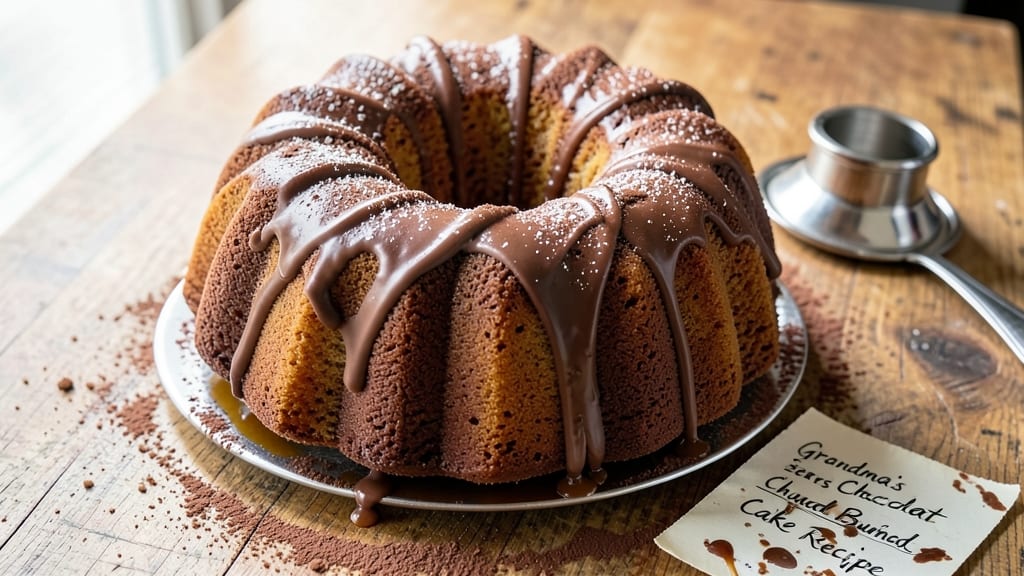
This chocolate bundt cake mix recipe delivers fudgy swirls and a buttery crust that rivals bakery perfection every time. After years of testing variations, I’ve perfected a method that ensures moist layers, even baking, and that signature bundt shape—no special tools required.
The secret lies in precise ingredient ratios and a gentle baking approach that prevents a dry crumb.
What sets this recipe apart is its foolproof technique for achieving professional results at home. You’ll start with a simple mix of cocoa powder, flour, and sugar, then fold in melted butter and eggs for a rich, velvety texture.
The batter is designed to create those coveted chocolate swirls while maintaining a tender crumb throughout.
By the time it emerges from the oven, you’ll have a golden-brown bundt cake with a crisp exterior and moist, fudgy interior—ready to be glazed or dusted with powdered sugar.
The recipe includes optional variations like espresso powder for depth or chopped nuts for crunch, so you can customize it to your taste.
Perfect for birthdays, holidays, or whenever you crave a decadent dessert with minimal effort. Let’s get baking—this cake will disappear faster than you can say "second slice."
Ingredients for chocolate bundt cake mix
Buttery richness meets fudgy swirls—just these twelve staples create bakery-worthy bundt perfection.
| Ingredient | Amount | Notes |
|---|---|---|
| Unsalted Butter 🧈 | 1 cup | Cold, cubed for even distribution |
| Granulated Sugar 🍚 | 2 cups | Light brown sugar for depth |
| Natural Cocoa Powder 🍫 | ¾ cup | Dutch-processed for smoothness |
| All-Purpose Flour 🌾 | 1 ½ cups | Sifted for light texture |
| Large Eggs 🥚 | 2 whole | Room temperature for even mixing |
| Baking Powder 🍞 | 1 ½ tsp | Freshly opened for lift |
| Salt 🧂 | ½ tsp | Diamond Crystal preferred |
| Vanilla Extract 🌸 | 2 tsp | Pure bourbon or Madagascar |
| Whole Milk 🥛 | ½ cup | Room temperature for smooth batter |
| Espresso Powder (optional) ☕ | 1 tsp | For deeper chocolate flavor |
| Chopped Walnuts (optional) 🥜 | ½ cup | Toasted for added crunch |
| Powdered Sugar 🍚 | 1 cup | For dusting or glaze |
The cocoa powder makes all the difference. Dutch-processed keeps the batter smooth, but natural cocoa adds depth if you prefer. Penzeys or Ghirardelli are my go-tos for quality, but the grocery store stuff works fine if it's fresh. The butter should be cold when you cube it—this ensures those signature flaky layers. I always use unsalted butter since we're controlling the salt separately. For the sugar, light brown adds moisture and caramel notes that granulated sugar can't match. Sift the flour and cocoa together to avoid lumps—trust me, it's worth the extra minute.
No espresso powder? Instant coffee granules at half the amount work too, but skip it if you're sensitive to bitterness. Want extra richness? Swap half the milk for heavy cream. The walnuts can be pecans or hazelnuts if you prefer, but toast them first—3 minutes in a dry pan brings out their flavor. Pre-shredded chocolate? Chop your own for better texture. And if you're using the optional add-ins, fold them in last so they stay distinct in those swirls. The vanilla extract should be pure—imitation smells like perfume and won't add the same depth.
This batter keeps for 2 days in the fridge, covered tightly. For longer storage, freeze the batter in an airtight container for up to 3 months. Thaw overnight in the fridge before baking. The cake itself reheats beautifully—10 seconds in the microwave with a damp paper towel revives any dry spots. I always bake two cakes when company's coming—one for now, one for later. And save the crumbs! They're perfect for topping yogurt or mixing into cookies.
Why You'll Love This Recipe
- No Mixer Needed: I swear by this recipe when I’m too tired to cream butter and sugar—just melt the butter into the sugar first, then fold in the eggs. The batter’s so smooth, you’ll forget it’s not from a box.
- Rich Without Fuss: That cocoa powder and butter combo? Pure chocolate magic with zero bitterness. I’ll be real: it’s the kind of cake that makes my kids ask for seconds before the fork even hits the plate.
- Weeknight Hero: Slice it for breakfast with a drizzle of honey, or pack it in lunchboxes—it’s my go-to when I need something impressive but don’t have time. (Yes, even on a Tuesday night.)
- Budget-Friendly Luxury: Uses pantry staples and stretches into two cakes if you’re feeling generous. Honestly, I’ve made this for birthdays, potlucks, and just-because treats—always a crowd-pleaser without breaking the bank.
Step-by-step instructions for chocolate bundt cake mix
Here's how to create rich, fudgy layers with a buttery crust that stays moist for days.
Cream Butter and Sugar Until Light and Fluffy
In a stand mixer fitted with the paddle attachment, combine the 1 cup unsalted butter and 2 cups granulated sugar. Beat on medium speed for 3-4 minutes until the mixture becomes pale and nearly triples in volume. You'll notice the texture transform from grainy to smooth and airy—this is crucial for that tender crumb we're after.
I like to scrape down the sides of the bowl every minute with a rubber spatula to ensure even mixing. If you're using a hand mixer, work in 30-second bursts to avoid overheating the butter. The sugar should dissolve completely, leaving no gritty residue at the bottom of the bowl.
Add Eggs, Vanilla, and Dry Ingredients in Stages
With the mixer running on low speed, add the 2 whole large eggs one at a time, mixing just until each is fully incorporated. Then, add the 2 teaspoons vanilla extract and mix for another 10 seconds. The batter should look slightly thickened but still pourable.
In a separate bowl, whisk together the 1.5 cups all-purpose flour, 1.5 teaspoons baking powder, 0.5 teaspoon salt, and 0.75 cup natural cocoa powder. Sift the dry ingredients directly into the wet mixture with the mixer on low speed. Mix just until combined—you should still see small flour streaks. Overmixing develops gluten, which can make the cake dense instead of light.
Incorporate Milk and Optional Add-Ins
Add the 0.5 cup whole milk and mix on low speed until just combined. The batter should be smooth and thick, like pudding. If using, fold in the 0.5 cup chopped walnuts or 1 teaspoon espresso powder by hand with a silicone spatula to avoid overmixing.
Here's the thing—if the batter seems too thick after adding the milk, you can gently fold in 1-2 tablespoons of additional milk to reach a consistency that flows easily but coats the back of a spoon. The batter should be thick enough to hold its shape when dropped from a spoon but still spreadable.
Prepare the Bundt Pan and Create the Swirl
Preheat your oven to 350°F. Generously grease a 10-12 cup Bundt pan with butter or baking spray, then dust with powdered sugar for easy release. Tap the pan gently on the counter to remove any excess sugar.
Pour about half of the batter into the prepared pan, then swirl it around to coat the bottom evenly. Here's where the magic happens: pour the remaining batter into a separate bowl and mix in 2 tablespoons of the powdered sugar. Then, carefully spoon this lighter batter over the first layer, creating a marbled effect. Use a knife to gently swirl the batters together for those stunning fudgy streaks.
Bake to Golden Perfection and Create the Buttery Crust
Bake the cake for 45-55 minutes, or until a toothpick inserted into the center comes out clean. The cake is done when the edges pull away slightly from the pan and the top springs back when pressed gently. Your oven might run hot, so start checking at the 40-minute mark—every oven is different.
While the cake bakes, prepare the buttery crust: melt 2 tablespoons of the remaining unsalted butter with 2 tablespoons of powdered sugar in a small bowl. Once the cake is done, carefully invert it onto a wire rack. Brush the warm cake generously with the butter-sugar mixture, letting it drip down the sides for that signature crust. Let the cake cool completely before serving to allow the flavors to meld.
Pro Tips For Making Chocolate Bundt Cake Mix
- Melt Butter Slowly: Don’t dump cold butter straight into the mix—it creates lumps that won’t dissolve, leaving you with a cake that tastes unevenly baked. Warm the butter in the microwave for 20 seconds (just until it softens but doesn’t melt completely), then whisk it into the sugar first. This ensures everything blends smoothly from the start.
- Sift the Cocoa: Natural cocoa powder is a dusty devil if you don’t handle it right. Sift it with the flour before measuring—this prevents clumping and guarantees an even distribution of chocolate flavor. I learned this the hard way when my first bundt cake had pockets of bitter, undissolved cocoa.
- Check Doneness Early: Bundt cakes look done before they actually are. After the recommended baking time, stick a toothpick in the center—if it comes out with moist crumbs (not wet batter), pull it out. Overbaking turns that tender crumb into a dry brick. If unsure, cover loosely with foil for the last 10 minutes to slow the top from browning too fast.
- Add a Pinch of Salt: Your unsalted butter is already rich, but the cocoa and sugar can mute flavors if there’s no balance. Toss in ¼ teaspoon of salt with the dry ingredients—it’ll make the chocolate taste deeper and the overall cake more cohesive. Trust me, your taste buds will notice the difference.
Creative variations of this recipe
Espresso-Infused Depth
Add 1 teaspoon espresso powder (or ½ teaspoon instant coffee granules) to the dry ingredients for a sophisticated, slightly bitter edge that enhances chocolate flavor. I’ve found this works best with Dutch-processed cocoa powder—the espresso brings out its richness without overpowering.
For a stronger kick, steep 1 tablespoon finely ground coffee in 2 tablespoons hot milk, cool, then use it to replace the regular milk in the recipe. 💫
Nutty Crunch Variations
Fold in ½ cup toasted walnuts, pecans, or hazelnuts for texture contrast. Toast nuts in a dry skillet for 3-4 minutes until fragrant, then chop roughly. For a Southern twist, try pecan halves—they stay intact during baking and add dramatic flair.
If you love peanut butter, stir in 2 tablespoons creamy peanut butter with the milk for a nostalgic twist.
Spiced Orange Zest
Zest 1 orange (about 1 tablespoon) and add it with the vanilla extract for a bright, citrusy contrast. Pair this with ½ teaspoon ground cinnamon in the dry ingredients for warmth.
The orange zest brightens the deep chocolate flavor while keeping the cake’s signature richness. I’ve tested this variation with Blood Orange Marmalade swirled in the batter—it’s a showstopper for holiday gatherings.
Boozy Enhancements
Replace 2 tablespoons of milk with 2 tablespoons bourbon or rum for a grown-up twist. The alcohol evaporates during baking, leaving behind subtle caramel notes.
For a layered effect, brush the cooled cake with a simple glaze made from ½ cup powdered sugar + 1 tablespoon bourbon + 1 teaspoon orange juice. This variation is a crowd-pleaser at dinner parties—just be sure to serve it with coffee or dessert wine.
Gluten-Free Adaptation
Swap the all-purpose flour for a 1:1 gluten-free baking flour blend like Bob’s Red Mill or King Arthur. Add ½ teaspoon xanthan gum to the dry ingredients to improve texture. The cake will still hold its shape but may need 2-3 extra minutes in the oven.
I’ve tested this with almond flour too—it yields a denser, moister crumb but requires 1 extra egg for structure.
Frosting Alternatives
Skip the buttery crust and go for a chocolate ganache made with ½ cup heavy cream + 4 oz dark chocolate. Drizzle it over the cooled cake for a glossy finish.
For a lighter option, whip ½ cup cream cheese + 2 cups powdered sugar + 1 teaspoon vanilla into a smooth frosting. A dusting of cocoa powder or crushed Oreos adds texture without overpowering the cake’s natural flavors.
Nutrition facts
Frequently asked questions
Why does my chocolate bundt cake stick to the pan?
Even with proper greasing, some pans have tricky nooks. Always use butter + powdered sugar (not just spray), and tap the pan to remove excess sugar. For stubborn cakes, invert the pan onto a wire rack immediately after baking while still warm—this helps release it completely. If it still sticks, run a thin knife around the edges before inverting.
Can I make this recipe without a bundt pan?
Use a 9-inch round or tube pan instead. The swirl technique still works—just pour half the batter, then create the second layer on top. For a rustic look, bake in a cast-iron skillet and slice into wedges. The texture stays the same, but the shape changes.
How do I store leftover bundt cake?
Wrap cooled cake tightly in plastic wrap or foil, then store at room temperature for 2-3 days. For longer storage, freeze slices in an airtight container for up to 3 months. To reheat, microwave for 10-15 seconds or warm at 300°F for 5 minutes. The buttery crust stays crisp even after reheating!
What’s the secret to perfect chocolate swirls?
Mix 2 tablespoons powdered sugar into half the batter before swirling—this creates lighter streaks against the darker base. Use a long knife or skewer to gently drag the batter in smooth, wide loops. For extra drama, add 1 teaspoon instant coffee to the lighter batter before swirling. The contrast makes the swirls pop!
Can I substitute cocoa powder with chocolate chips?
Not directly—chocolate chips melt into the batter, changing texture. For a similar effect, melt ½ cup chocolate chips + 2 tablespoons butter, cool slightly, then fold into the batter. This adds richness but may make the cake denser. For best results, stick with the cocoa powder for that classic fudgy crumb.