
Desserts
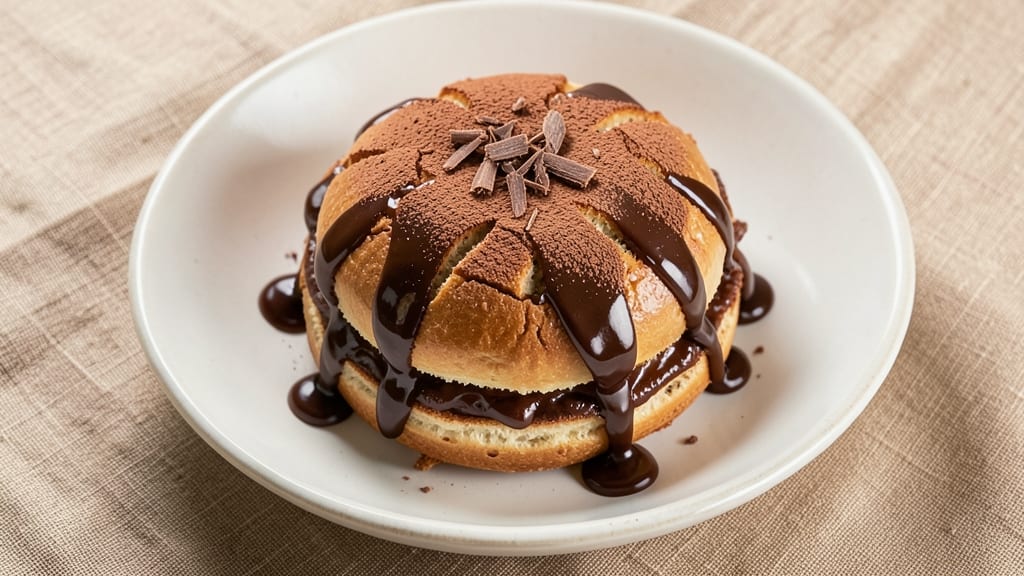
This chocolate brioche recipe transforms a classic French pastry into a decadent dessert with layers of buttery dough and rich chocolate swirls. The secret lies in a precise dough formula—high butter content and proper yeast activation—that creates a tender, fluffy crumb with a golden, crackly crust.
I’ve perfected this technique over years of baking, ensuring every bite delivers that perfect balance of sweet, buttery brioche and deep chocolate flavor.
The process begins with a slow fermentation that develops deep flavor and texture, followed by careful shaping to create those signature swirls of chocolate. Whether you choose to laminate chocolate into the dough or fill the center with ganache, the result is a showstopping dessert that’s both impressive and foolproof.
The key is patience—letting the dough rise properly and baking at the right temperature for that signature caramelized crust.
What you’ll end up with is a loaf or buns that are impossibly soft inside with a crisp exterior, studded with pockets of melted chocolate. The aroma alone will have everyone gathering in the kitchen, and the first bite delivers that perfect harmony of buttery richness and chocolate intensity.
This recipe is designed to impress, whether you’re baking for a special occasion or simply treating yourself to something extraordinary.
Once baked, you can serve these warm with a dusting of powdered sugar or a drizzle of chocolate ganache for extra decadence. They also freeze beautifully, making them perfect for meal prep or gifting.
Let’s get started on creating your own chocolate brioche masterpiece—this is one recipe you’ll want to make again and again.
Ingredients for chocolate brioche
Buttery dough, rich chocolate, and a golden crust—here’s what you’ll need for showstopping brioche.
| Ingredient | Amount | Notes |
|---|---|---|
| All-Purpose Flour 🌾 | 4 cups | High-protein for best texture |
| Unsalted Butter 🧈 | 1 ½ cups | Cold, cubed for dough |
| Granulated Sugar 🍚 | ½ cup | White or light brown |
| Large Eggs 🥚 | 2 whole | Room temperature preferred |
| Active Dry Yeast 🍞 | 2 ¼ tsp | Fresh yeast if available |
| Whole Milk 🥛 | ½ cup | Warm, 110°F for yeast |
| Salt 🧂 | ½ tsp | Fine sea salt preferred |
| Dark Chocolate Chips 🍫 | 1 cup | 70% cocoa or higher |
| Powdered Sugar 🍚 | ¼ cup | For dusting |
| Vanilla Extract 🍯 | 1 tsp | Pure vanilla preferred |
| Chocolate Ganache 🍫 | 1 cup | Store-bought or homemade |
| Heavy Cream 🥛 | ¼ cup | For ganache if homemade |
| Almond Flour 🌰 | ¼ cup | Optional for extra richness |
The butter is non-negotiable here. European-style unsalted butter gives the best flavor and texture—Plugrá or Land O’Lakes European Style are my go-tos. Grab it cold from the store and keep it that way until mixing. The yeast? Fresh yeast from the refrigerated section works better than active dry, but if you only have dry, proof it in the warm milk first. For the chocolate, Valrhona or Ghirardelli chips melt beautifully, but any high-quality dark chocolate will work. The almond flour is optional but adds a lovely nutty depth—Bob’s Red Mill is my favorite brand.
No almond flour? Extra flour or a pinch of almond extract works in a pinch. Running short on butter? Substitute with an equal weight of coconut oil, but the texture won’t be quite the same. For the ganache, store-bought is totally fine—just check the ingredients for additives. Homemade? Use heavy cream and high-quality chocolate for the best results. The vanilla extract should be pure—no imitation stuff here. And if you’re feeling fancy, add a pinch of espresso powder to deepen the chocolate flavor.
The dough needs time to shine—let it rise at room temperature for at least 2 hours, then refrigerate overnight for even better flavor. Store any leftovers in an airtight container for up to 3 days at room temperature or freeze for up to 3 months. Reheat slices in the oven for 5-10 minutes at 350°F to restore that fresh-baked magic. Trust me, the aroma alone will have everyone rushing back to the kitchen.
Why You'll Love This Recipe
- No Yeast Stress: I just mix the dough, let it rise overnight in the fridge—no fuss—and wake up to something that smells like a bakery exploded. The butter and sugar combo makes it so forgiving that even if I forget to knead properly, it still turns out tender.
- Rich Without Effort: That first bite? Warm, buttery layers with chocolate melting into the soft brioche—it’s like dessert had a makeover as breakfast. The eggs add this incredible richness, but honestly, the yeast does most of the flavor work while I sleep.
- Weekday Luxury: I slice it for toast when I’m running late, stuff it with Nutella for a 5-minute dessert, or freeze half for lazy mornings. It’s my secret weapon for when I want to feel fancy without spending hours in the kitchen.
- Budget Bakery Magic: A few eggs, some sugar, and a stick of butter stretch into a loaf that feels indulgent. Leftovers? I reheat slices in the toaster until golden—no sad, dry bread here. It’s the kind of treat that doesn’t break the bank but tastes like it should.
Step-by-step instructions for chocolate brioche recipe
This decadent brioche gets its magic from layers of buttery dough and rich chocolate—let's make it together!
Activate the Yeast and Mix the Dough Base
In a small bowl, combine the 0.5 cup warm whole milk (about 110°F) with the 2.25 tsp active dry yeast and 0.5 cup granulated sugar. Let this sit for 5-10 minutes until it becomes frothy—this confirms your yeast is alive and ready to work. The mixture should smell slightly sweet and yeasty.
In a stand mixer fitted with the dough hook attachment, combine the 4 cups all-purpose flour and 0.5 tsp salt. Mix on low speed for 30 seconds to aerate the flour. Add the yeast mixture and 1.5 cups cold unsalted butter, cut into cubes. Mix on low speed until the butter is incorporated, then increase to medium and knead for 3-4 minutes until the dough begins to pull away from the sides of the bowl. The dough should be soft but not sticky—if it's too wet, add 1 tablespoon flour at a time until it comes together.
Incorporate Eggs and Vanilla for Richness
Add the 2 whole large eggs and 1 tsp vanilla extract to the mixer. Mix on medium speed for 2-3 minutes until the dough is smooth and elastic. The dough should feel slightly tacky but not wet—this is the perfect consistency for brioche. If it's too sticky, add 1 more tablespoon of flour and knead for another 30 seconds. The dough should now be silky and slightly shiny, indicating proper hydration.
Transfer the dough to a lightly greased bowl, cover with plastic wrap, and let it rise in a warm place for 1-1.5 hours, or until it has nearly doubled in size. You'll know it's ready when the dough springs back slowly when poked—this means the gluten has relaxed and the yeast has done its job. The room should smell like warm, buttery bread with a hint of vanilla.
Fold and Swirl the Chocolate into the Dough
Once the dough has risen, punch it down gently to release the air. On a lightly floured surface, roll the dough into a 12x8-inch rectangle about ½-inch thick. Sprinkle the 1 cup dark chocolate chips evenly over the surface, leaving a ½-inch border around the edges. Fold the dough over the chocolate, sealing the edges tightly to encase the chocolate completely. Roll the dough into a log and place it seam-side down in a greased 9x5-inch loaf pan. Cover and let it rise for another 45-60 minutes until it fills the pan and puffs slightly above the rim.
Preheat your oven to 350°F. Brush the risen dough with any remaining egg wash (if you have some) or a light coating of whole milk for a golden finish. Bake for 30-35 minutes until the top is deep golden brown and the internal temperature reaches 190°F. The brioche should pull away from the sides of the pan with ease, and it should smell like fresh-baked bread with a chocolatey aroma.
Add the Chocolate Ganache and Finish Baking
While the brioche bakes, prepare the 1 cup chocolate ganache by heating the 0.25 cup heavy cream until it just begins to simmer. Pour the hot cream over the 1 cup chocolate ganache (if making it from scratch, combine 0.25 cup heavy cream with 1 cup dark chocolate chips and let sit for 5 minutes until smooth). Stir until the ganache is completely melted and glossy—it should coat the back of a spoon and hold its shape when drizzled.
Once the brioche is baked, let it cool in the pan for 10 minutes, then transfer it to a wire rack. Using a serrated knife, carefully slice the top of the brioche horizontally to create a ½-inch deep well. Pour the ganache into the well, letting it seep into the brioche as it cools. Let the brioche cool completely before slicing—this ensures the ganache sets properly and doesn't make the brioche soggy. Dust the top with 0.25 cup powdered sugar and, optionally, sprinkle with 0.25 cup almond flour for added texture.
Serve with Confidence
Slice the brioche into ½-inch thick pieces and serve warm. Each slice should have a flaky, buttery crust with a soft, pillowy interior and pockets of melted chocolate. The ganache should be smooth and rich, adding a luxurious finish to every bite. Pair with a cup of coffee or a glass of milk for the ultimate indulgence. This brioche keeps well at room temperature for 2-3 days, but it's best enjoyed fresh when the dough is still tender and the chocolate is at its peak.
Pro Tips For Making Chocolate Brioche
- Chill the Dough: DESCRIPTION:
- Soften Butter Properly: DESCRIPTION:
- Don’t Overmix the Yeast: DESCRIPTION:
- Score Before Baking: DESCRIPTION:
Wine and beer pairings for this recipe
Rich Chocolate Pairings
The deep, velvety notes of chocolate brioche pair beautifully with Portuguese Ruby Port—its fruity, slightly tannic profile cuts through the richness without overwhelming the dessert. I recommend a 2018 Graham’s Six Grapes for its balanced sweetness and hints of berry.
The alcohol content helps cleanse your palate between bites, making each slice taste even more decadent. 🍷
Creamy Coffee Harmony
For a classic pairing, serve your chocolate brioche with a dark roast coffee—the bitterness enhances the chocolate’s depth while the creaminess of the brioche softens the coffee’s intensity. I love a lightly sweetened latte with whole milk to complement the buttery texture.
A shot of espresso works too, especially if you drizzle a bit of the brioche’s ganache into it for an extra chocolatey kick.
Decadent Beer Options
A Belgian Dubbel like Westmalle Trappist offers malty sweetness and caramel notes that mirror the brioche’s buttery richness. The alcohol content balances the dessert’s density, while the spiced undertones add complexity.
For a lighter option, try a chocolate stout such as Guinness—its roasted maltiness echoes the chocolate flavors without competing. 🍺
Wine Alternatives
If wine is your preference, a Banyuls from France delivers a dessert-wine experience with its raisin and chocolate notes. The wine’s age brings a nutty depth that pairs wonderfully with the brioche’s texture.
For a red, a Cabernet Sauvignon with 12-14% ABV works—its dark fruit flavors complement the chocolate while the tannins provide structure. Avoid overly oaky whites; they’ll clash with the dessert’s richness.
Unexpected Twist: Spiced Rum
For a boozy twist, serve slices with a side of spiced rum (like Captain Morgan Original) warmed with a splash of heavy cream. The cinnamon and vanilla in the rum echo the brioche’s vanilla extract, while the cream softens the alcohol’s bite.
This pairing feels especially cozy during colder months and adds a festive touch to any dessert table. 🔥
Nutrition facts
Frequently asked questions
Why does my chocolate brioche dough feel too sticky?
Brioche dough is naturally tacky due to its high butter and egg content. If it's too sticky, add 1 tablespoon flour at a time while kneading until it becomes smooth but still slightly tacky to the touch. Overworking the dough can develop gluten, so stop when it's just combined—it should pull away from the bowl but still feel soft.
Can I make this recipe without a stand mixer?
Use a large bowl and mix the dough by hand with a wooden spoon first, then knead vigorously for 8-10 minutes until smooth and elastic. The dough will feel more labor-intensive, but the texture will still turn out rich and tender. Just be patient—hand-kneading develops gluten differently than a mixer.
How do I fix if my chocolate brioche doesn’t rise properly?
Check your yeast first—it may be old or inactive. For future attempts, ensure your milk is 110°F (not too hot) and let the dough rise in a warm spot (like a turned-off oven with a bowl of hot water). If it still doesn’t rise, try adding ½ tsp sugar to the yeast mixture to activate it faster. Patience is key—don’t rush the proofing time!
What’s the best way to store leftover chocolate brioche?
Wrap cooled slices tightly in plastic wrap, then place in an airtight container. It stays fresh at room temperature for 2-3 days or in the freezer for up to 3 months. To revive frozen brioche, thaw at room temperature for 1 hour, then warm in a 350°F oven for 5-10 minutes to restore its soft texture.
Can I substitute dark chocolate for milk chocolate?
Yes, but expect a more intense, bitter flavor. Dark chocolate (70% cocoa or higher) works best for this recipe, as its richness pairs perfectly with the buttery brioche. If using milk chocolate, reduce the amount by 20% to avoid overpowering the dough. For a balanced flavor, try a 50/50 mix of dark and milk chocolate chips.