
Desserts
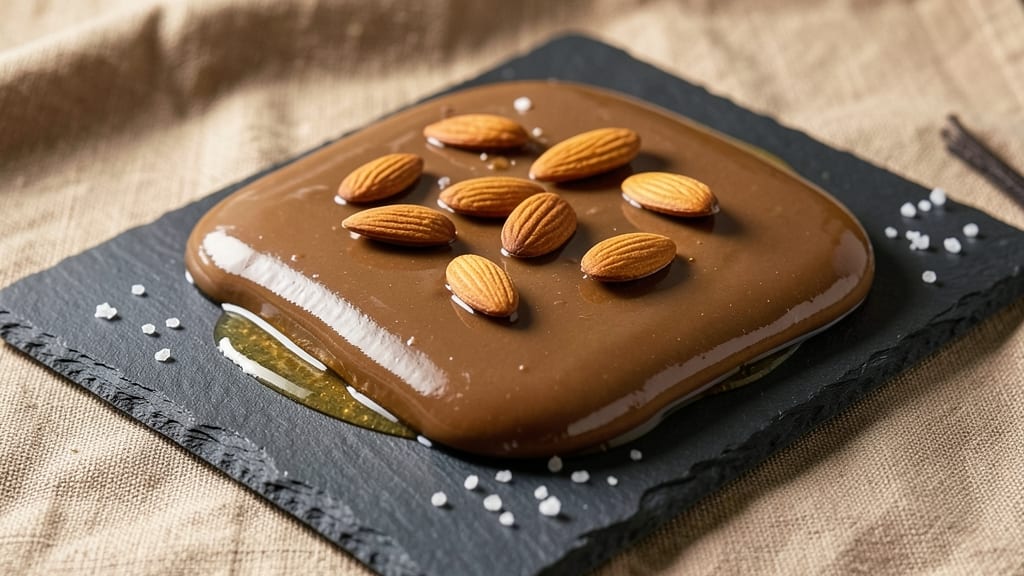
This carob chocolate recipe delivers all the rich, velvety satisfaction of traditional chocolate—without the caffeine jitters or sugar crash. 💛 The secret lies in carob powder’s naturally sweet, nutty depth, which creates a dessert that’s both indulgent and balanced.
I developed this version after years of experimenting with plant-based alternatives, and it’s become my go-to for guilt-free treats.
What makes this recipe special is its simplicity and versatility. With just five ingredients—carob powder, coconut oil, maple syrup, vanilla, and a pinch of salt—you can create everything from silky truffles to crispy bark.
The process is straightforward: melt, mix, and set, with no specialized equipment needed. Perfect for baking enthusiasts or beginners, it yields a result that’s surprisingly close to artisanal chocolate.
The finished product has a smooth, fudgy texture with a subtle caramel-like sweetness that lingers without overpowering. Unlike traditional chocolate, this version is caffeine-free, lower in sugar, and packed with fiber.
It’s ideal for those watching their intake but still craving something decadent. The best part? These treats stay fresh for weeks when stored properly.
Use this carob chocolate in baking, as a topping for fruits, or enjoy it straight from the fridge. The possibilities are endless, and the process is foolproof—no bitter aftertaste or grainy texture here. Let’s get started on your first batch!
Ingredients for carob chocolate
Five ingredients transform into velvety, nutty carob chocolate that rivals traditional treats.
| Ingredient | Amount | Notes |
|---|---|---|
| Organic Carob Powder 🍫 | 1 ½ cups | Smooth, unsweetened for best texture |
| Unrefined Coconut Oil 🥥 | 1 cup | Solid at room temperature preferred |
| Pure Maple Syrup 🍯 | ½ cup | Grade B for richer color |
| Pure Vanilla Extract 🌿 | 1 tbsp | Alcohol-free if preferred |
| Fine Sea Salt 🧂 | ½ tsp | Diamond Crystal preferred |
| Raw Almonds 🌰 | ¼ cup | Chopped for garnish (optional) |
| Coconut Flakes 🥥 | ¼ cup | Toasted for crunch topping |
| Cocoa Butter 🍫 | ¼ cup | For extra smoothness (optional) |
| Coconut Oil (for molds) 🫒 | 2 tbsp | For easy release |
Carob powder is the star here—look for organic, unsweetened to avoid additives. Bob's Red Mill or Anthony's Goods have great options, or check the bulk bins at Whole Foods for freshness. The powder should be a deep reddish-brown with no gritty texture. I always buy extra because it keeps 12 months in the pantry, and it's perfect for baking too. For the coconut oil, unrefined, virgin versions add subtle coconut flavor, but refined works if you want pure carob taste. The maple syrup should be Grade B—it's darker, richer, and cheaper than Grade A.
No maple syrup? Agave nectar or date syrup works in a pinch, but the flavor won't be identical. The vanilla extract can be swapped for vanilla bean paste if you want visible specks, or even alcohol-free vanilla for a cleaner taste. Running low on almonds? Pecans or walnuts toasted work just as well. The cocoa butter is optional but makes the chocolate extra glossy and fudgy. If you skip it, just use a little more coconut oil. For the salt, Diamond Crystal dissolves more evenly than table salt—trust me on this one. The coconut flakes should be unsweetened to keep the flavor pure.
This chocolate keeps for 3 weeks at room temperature if stored in an airtight container, but it's even better in the fridge where it stays fresh for 2 months. For truffles, I like to roll them in extra carob powder or crushed nuts to prevent sticking. The coconut oil for the molds? Just brush it on with a pastry brush before pouring in the chocolate—it makes cleanup a breeze. If you make extra, portion it into mini silicone molds for easy gift-giving. The texture actually improves after 24 hours in the fridge, so patience pays off.
Why You'll Love This Recipe
- Here’s what sold me: this tastes like a decadent treat but won’t leave me crashing later. The carob’s natural sweetness means I can cut the maple syrup by half if I’m watching sugar, and the sea salt? It’s the kind of balance that makes you go, "Wait, is this even dessert?" Perfect for when you want something special but still feel good about it.
- I’ll be real: I’ve got a stash of this in my freezer right now, ready for when I need a quick gift or a last-minute dessert. It keeps for weeks in the fridge, slices beautifully, and even reheats well (microwave it for 10 seconds—it’s like it was just made). Plus, the coconut oil makes it shelf-stable, so you’re not scrambling to use it up before it goes bad.
Step-by-step instructions for nutty-sweet carob bites
Here's how to craft rich, velvety carob bites that deliver deep chocolate flavor without caffeine's jitters.
👨🍳 Step 1: Melt the Fat Base
In a medium heatproof bowl set over a pot of simmering water (double boiler), combine the 1 cup unrefined coconut oil and 0.25 cup cocoa butter. Heat gently until both fats melt completely, then remove from heat. The mixture should reach 110-115°F—just warm enough to become liquid but not hot enough to scorch.
Here's the thing—if you use pre-melted fats straight from a microwave, you risk burning the carob powder later. This gentle melting ensures a smooth, stable base without any graininess. Stir occasionally until fully combined, then let cool slightly for 5 minutes while you prepare the other ingredients.
🥘 Step 2: Whisk in Carob and Sweetener
Add the 1.5 cups organic carob powder and 0.5 cup pure maple syrup to the melted fat mixture. Using a hand mixer on medium speed, whip vigorously for 3-4 minutes until completely smooth. You're looking for a thick, glossy ganache-like consistency that coats the back of a spoon.
This is where patience pays off—if you rush, you'll end up with lumps. The carob powder needs time to fully hydrate and dissolve. After 2 minutes, stop and scrape down the sides of the bowl to ensure even mixing. The mixture should be thick enough to hold its shape when dropped from a spoon but still pourable.
🍳 Step 3: Infuse with Flavor
Remove the bowl from the mixer and stir in the 1 tbsp pure vanilla extract and 0.5 tsp fine sea salt using a silicone spatula. The salt may seem like too much, but trust me—it enhances all the sweet carob flavors while balancing the natural bitterness. Mix until completely incorporated, then return to the mixer for 1 more minute on low speed.
At this stage, the mixture should be silky smooth with no visible flecks. If you see any undissolved carob powder, strain it through a fine-mesh sieve for a flawless texture. The flavor should be rich and complex—think deep chocolate with nutty undertones and a touch of caramel sweetness from the maple syrup.
⏰ Step 4: Prepare and Fill Molds
Lightly brush 2 tbsp coconut oil (for molds) onto silicone molds or a lined baking sheet. Tap the molds gently to remove any excess oil—just enough to prevent sticking. Working quickly, spoon the carob mixture into the molds, filling each about ¾ full (they'll expand slightly as they set).
For best results, use molds with detailed textures—this carob mixture holds shape beautifully. If you don't have molds, a lined baking sheet works too, but expect less defined edges. Tap the baking sheet gently on the counter to release any air bubbles. Place in the refrigerator to set for at least 2 hours or until firm to the touch.
🔪 Step 5: Garnish and Serve
Once fully set, remove the carob bites from molds. In a small dry skillet over medium-low heat, toast the 0.25 cup raw almonds and 0.25 cup coconut flakes together for 3-4 minutes, stirring constantly until golden brown and fragrant. Spread immediately on a plate to cool.
Press the toasted nut mixture onto the tops of your carob bites—just enough to create a decorative pattern. The contrast of warm, nutty crunch against the cool, velvety carob is what makes these bites truly special. Store in an airtight container in the refrigerator for up to 2 weeks, or freeze for up to 3 months for maximum freshness.
Pro Tips For Making Carob Chocolate
- Melt the Coconut Oil Slowly: I learned this the hard way—dumping cold coconut oil straight into the pot makes clumps that never fully dissolve. Instead, warm the coconut oil in a small saucepan over low heat until it’s just liquid (not hot). Then pour it into the carob mixture while stirring constantly. This ensures a silky texture, not grainy lumps.
- Sift the Carob Powder First: Carob powder is dense, and clumps ruin the smoothness. Take 30 seconds to sift it through a fine-mesh sieve before mixing—it aerates the powder and prevents gritty pockets. (Yes, even if you’re impatient like me, this makes a real difference.)
- Salt Before the Vanilla: Add the sea salt before the vanilla extract—this lets the salt dissolve evenly into the warm mixture. If you add it last, you’ll end up with tiny salt crystals that don’t integrate, and your chocolate will taste uneven. A pinch (about ¼ tsp) is enough; trust it.
- Use a Thermometer for Maple Syrup: Maple syrup burns easier than you’d think. Once your carob-coconut mix reaches 160°F (71°C), remove it from heat immediately—even a few seconds over can turn it bitter. If you don’t have a thermometer, watch closely: the moment it starts to bubble, it’s done. No second chances.
Perfect pairings for these flavors
Creamy Pairings
This carob chocolate pairs beautifully with coconut milk ice cream—its cool, creamy texture contrasts perfectly with the rich, nutty carob. I love scooping a small spoonful of full-fat coconut milk ice cream (like So Delicious Dairy Free) onto a carob bite for a decadent dessert.
The tropical sweetness of the coconut complements the carob’s deep, earthy notes without overpowering them. 🥥
Fruity Companions
Fresh strawberries or bananas elevate carob chocolate into a luxurious treat. The natural sweetness of ripe fruit balances the carob’s subtle bitterness, while the juicy texture cuts through the richness.
I often slice organic strawberries and dip them lightly in melted carob, then sprinkle with toasted coconut flakes for extra crunch. This combo feels like a gourmet dessert but requires zero effort!
Warm Beverage Match
A cup of chamomile tea or warm almond milk makes an ideal pairing for carob chocolate. The floral notes of chamomile enhance the carob’s natural sweetness, while the warmth of almond milk creates a comforting, velvety contrast.
For a festive twist, add a dash of cinnamon to your tea—it pairs surprisingly well with the carob’s nutty undertones. ☕
Savory Contrasts
Don’t overlook carob chocolate’s versatility in savory dishes! It shines as a glaze for roasted nuts (try pecans or hazelnuts) or as a drizzle over dark leafy greens like kale or arugula.
The deep, chocolatey flavor adds an unexpected richness to salads or charcuterie boards. I’ve even used it as a dipping sauce for baked apples—the carob’s natural sweetness caramelizes beautifully when baked.
Dairy-Free Alternatives
For those avoiding dairy entirely, cashew cream is a game-changer. Blend 1 cup soaked cashews with ½ cup water until smooth, then drizzle over carob bites for a luscious, dairy-free topping.
The creamy texture mimics whipped cream, while the cashews add a subtle nuttiness that harmonizes with the carob. This pairing is perfect for vegan diets and adds a restaurant-quality finish. 🌱
Spiced Twists
Add ½ tsp cinnamon or a pinch of cayenne to your carob mixture for a warm, spiced variation. The cinnamon deepens the caramel-like sweetness, while the cayenne adds a subtle kick that brightens the flavor.
Serve these spiced carob bites with vanilla bean ice cream or alongside warm spiced apple slices for a cozy, autumnal treat. The heat from the cayenne cuts through the richness beautifully. 🌶️
Nutrition facts
Frequently asked questions
Is carob chocolate really caffeine-free?
Unlike traditional cocoa-based chocolate, carob contains no caffeine or theobromine. This makes it a perfect alternative for sensitive individuals or those avoiding stimulants. The natural sweetness and nutty flavor come from carob's unique plant-based composition, offering all the richness without the jitters.
Can I substitute carob powder with cocoa powder?
While both come from legume pods, they're not interchangeable. Carob has a naturally sweet, nutty profile without bitterness, while cocoa is more bitter and requires extra sweetening. Using cocoa would alter the flavor entirely—carob's unique taste is what makes this recipe special. For a similar texture, try a 1:1 ratio, but expect a different flavor outcome.
Why did my carob chocolate turn grainy?
Graininess usually happens when the carob powder isn't fully dissolved or the mixture cools too quickly. Always use a double boiler for melting fats and whisk continuously for 3-4 minutes until completely smooth. If it happens, gently reheat the mixture to 110°F and whisk again. Straining through a fine-mesh sieve also helps achieve a silky texture.
How can I make this recipe sugar-free?
Replace the maple syrup with monk fruit sweetener or erythritol in a 1:1 ratio. For best results, dissolve the sweetener in 2 tbsp warm water first to help it blend smoothly. The texture may be slightly firmer, but the flavor will remain rich and satisfying. Always taste as you go—carob's natural sweetness means you might need less than you'd expect.
What's the best way to store these carob bites?
For short-term storage, keep them in an airtight container at room temperature for up to 3 weeks. For longer freshness, refrigerate for 2 months or freeze for 3 months. The cold helps maintain texture, but bring to room temperature before serving. Avoid humidity—it can make the carob slightly sticky.