
Desserts
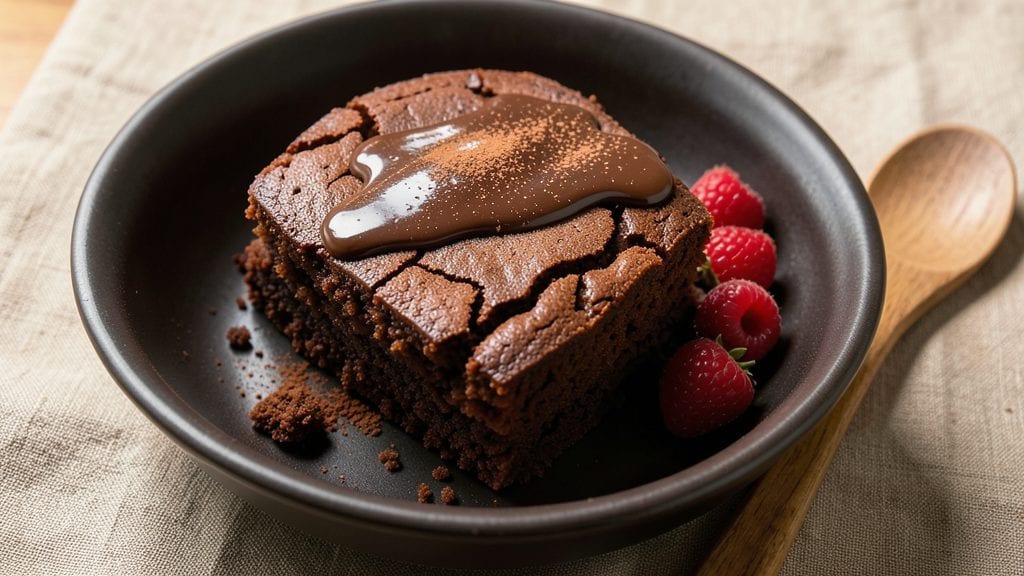
This baker’s unsweetened chocolate cake delivers deep, complex cocoa flavor without relying on sugar—just rich, velvety texture and a perfect balance of bittersweet notes. The secret lies in using high-quality unsweetened chocolate and a precise creaming method that develops flavor without sweetness masking the chocolate’s natural depth.
I perfected this recipe after years of refining, ensuring every bite reveals layers of cocoa rather than overwhelming sweetness.
The foundation starts with proper chocolate preparation: melting it gently to preserve its intensity, then combining it with butter and eggs for a smooth, fudgy base. Traditional techniques like the creaming method create a tender crumb, while a touch of coffee enhances the chocolate’s complexity.
This isn’t just a cake—it’s a celebration of cocoa’s natural richness, designed for bakers who crave depth without sugar.
What you’ll end up with is a moist, single-layer cake with a crackly top and a fudgy interior that melts in your mouth. The flavor is sophisticated yet approachable, perfect for those who love chocolate’s true character.
Whether you’re serving it plain or with a dusting of cocoa powder, this cake proves unsweetened chocolate can be the star of the dessert table.
For added versatility, consider swapping a portion of the chocolate for Dutch-process cocoa powder, which mellows the flavor slightly. The recipe also works beautifully as a layer cake or cupcakes, making it adaptable for any occasion. Let’s get baking!
Ingredients for baker's unsweetened chocolate cake
Twelve ingredients, one sophisticated cake—rich cocoa flavor without sugar overpowering the natural bittersweet notes.
| Ingredient | Amount | Notes |
|---|---|---|
| High-Quality Unsweetened Chocolate (70-85% cocoa) 🍫 | 8 oz | Valrhona or Guittard preferred for depth |
| Unsalted Butter 🧈 | 1 cup | Cold, cut into 1-inch cubes |
| Large Eggs 🥚 | 2 whole | Room temperature for even mixing |
| Granulated Sugar 🍚 | ½ cup | White or light brown preferred |
| All-Purpose Flour 🌾 | 1 ½ cups | Sifted, spooned lightly |
| Dutch-Process Cocoa Powder 🍫 | ½ cup | Hershey's Special Dark or Valrhona |
| Instant Espresso Powder ☕ | 1 tbsp | Enhances chocolate complexity |
| Baking Powder 🍞 | ¼ tsp | Aluminum-free preferred |
| Salt 🧂 | ¼ tsp | Diamond Crystal kosher |
| Vanilla Extract 🌸 | 1 tsp | Pure Madagascar bourbon |
| Milk 🥛 | ½ cup | Whole milk for richness |
| Vegetable Oil 🫒 | ¼ cup | Light, neutral flavor |
The chocolate is non-negotiable here. Valrhona or Guittard brands deliver the intensity you need—avoid generic supermarket bars, which often contain fillers that dull the flavor. For the cocoa powder, Hershey's Special Dark strikes the perfect balance between Dutch-processed smoothness and residual bitterness. The espresso powder might seem unexpected, but it deepens the chocolate's complexity without adding bitterness (think of it as the secret weapon in professional bakeries). When measuring flour, spoon it lightly into the cup and level it off—packing it creates a dense crumb. The butter should be cold when you start, but it will soften during the creaming process—this is key for a tender texture.
No instant espresso powder? 1/2 cup strong brewed coffee cooled works in a pinch, though it may slightly alter the texture. Swapping the Dutch-process cocoa for natural cocoa powder? Reduce the amount to 1/4 cup and expect a more acidic, vibrant flavor. The vanilla extract can be omitted if you prefer, but the bourbon variety adds subtle spice notes that complement the chocolate beautifully. For a lighter cake, replace 1/4 cup of the butter with vegetable oil, though the texture will be slightly less rich. The milk can be swapped for heavy cream for added decadence, though it will make the cake slightly denser.
This cake keeps beautifully at room temperature for 3 days in an airtight container, though it's best enjoyed within 24 hours for peak moisture. For longer storage, wrap tightly in plastic and refrigerate for up to 5 days. The cake freezes exceptionally well—portion into slices, wrap individually, and freeze for up to 3 months. When ready to serve, let it sit at room temperature for 30 minutes to soften the crumb. A dusting of cocoa powder or a drizzle of melted dark chocolate elevates the presentation without altering the flavor.
Why You'll Love This Recipe
- Here’s what sold me: that deep, bittersweet chocolate flavor you’d pay $12 for at a bakery, but made at home for pennies. The butter and eggs keep it moist, while the sugar balances the cocoa just enough to make it dangerously moreish—not cloying, not dry, just perfect.
- No-Fuss Mixing: I swear by this recipe because it’s actually simple—just cream butter and sugar, fold in eggs, then stir in melted chocolate and flour. No sifting, no whisking until your arm falls off. The secret’s in the high-cocoa chocolate: it melts smoothly, so no grainy lumps to ruin your day.
- Rich Without Sugar: Here’s what sold me: that deep, bittersweet chocolate flavor you’d pay $12 for at a bakery, but made at home for pennies. The butter and eggs keep it moist, while the sugar balances the cocoa just enough to make it dangerously moreish—not cloying, not dry, just perfect.
- Double-Duty Cake: Between us, this cake handles everything. Crumble it over yogurt for breakfast, slice it for dessert, or even toss chunks into oatmeal (yes, really). I’ve even used leftover crumbs to top ice cream—because why waste a good cake?
Step-by-step instructions for baker's unsweetened chocolate cake
Mastering this recipe delivers a velvety, deeply flavorful cake where the chocolate shines without dominating.
Melt Chocolate and Butter for Maximum Flavor
Begin by chopping the 8 oz high-quality unsweetened chocolate (70-85% cocoa) into small, even pieces. Place these in a heatproof bowl set over a saucepan of simmering water, ensuring the bottom of the bowl doesn't touch the water. Stir occasionally until the chocolate melts completely and becomes glossy. Remove from heat and immediately whisk in the 1 cup unsalted butter, cut into 1-inch cubes, until fully incorporated and smooth.
This double boiler method ensures even melting without scorching. The butter's fat content helps create a rich, moist crumb while preventing the chocolate from seizing. Let the mixture cool slightly to 110°F before proceeding—this temperature ensures proper emulsification with the eggs later.
Whisk Eggs and Sugar to Lighten the Batter
In a separate large bowl, whisk together the 2 whole large eggs and 0.5 cup granulated sugar over a double boiler (or a bowl set over simmering water) until the mixture reaches 115°F and triples in volume. This process, called "ribbon stage," incorporates air for a lighter texture. Remove from heat and continue whisking until the mixture cools to 100°F. Gradually pour the cooled chocolate-butter mixture into the egg-sugar mixture while whisking constantly.
The temperature control here is critical—too hot and the eggs will scramble; too cool and the batter won't develop proper lift. You'll know it's ready when the mixture is thick, glossy, and holds a ribbon-like trail when the whisk is lifted. This step forms the foundation for the cake's tender crumb.
Combine Dry Ingredients with Precision
In a medium bowl, sift together the 1.5 cups all-purpose flour, 0.5 cup Dutch-process cocoa powder, 1 tbsp instant espresso powder, 0.25 tsp baking powder, and 0.25 tsp salt. Whisk gently to aerate the mixture and break up any lumps. Create a well in the center and add the 1 tsp vanilla extract, 0.5 cup milk, and 0.25 cup vegetable oil. Mix just until combined—overmixing develops gluten, resulting in a tough cake.
The espresso powder enhances the chocolate flavor without adding bitterness, while the baking powder provides lift. The oil creates moisture and tenderness, and the milk ensures proper hydration of the flour. This dry ingredient blend should be added to the wet mixture in three parts, alternating with the milk mixture to maintain even distribution.
Fold Batter for Even Texture and Bake
With gentle folding motions, combine the dry ingredient mixture with the wet chocolate-egg mixture in three additions, alternating with 1/3 of the milk mixture after each addition. Begin and end with the dry ingredients to ensure proper leavening. Pour the batter into two 8-inch round cake pans lined with parchment paper and greased with butter, filling each pan 2/3 full. Smooth the tops with a spatula.
Bake in a preheated 350°F oven for 30-35 minutes, or until a toothpick inserted into the center emerges clean. The cake should spring back slightly when pressed gently in the center. Rotate the pans halfway through baking for even browning. Cool in the pans for 10 minutes, then transfer to a wire rack to cool completely before frosting.
Achieve Perfect Texture Through Resting
Allow the cakes to cool completely before assembling. This resting period, ideally 2 hours at room temperature, ensures the crumb sets properly and prevents crumbling when sliced. The internal temperature should stabilize at 70°F before frosting. For extra moisture, brush the cooled layers with a simple syrup made from equal parts sugar and water, heated until dissolved and cooled.
The result is a cake with a fine, velvety crumb and deep chocolate flavor—complex yet balanced. The espresso accentuates the cocoa's richness, while the butter and oil create a moist, tender texture. Serve with a dusting of cocoa powder or a light chocolate ganache for an elegant finish.
Pro Tips For Making Baker'S Unsweetened Chocolate Cake
- Melt Butter Slowly: I learned this the hard way—dumping cold butter into hot chocolate and ending up with lumps that never fully dissolved. Instead, cut the butter into small cubes and melt it in a microwave-safe bowl in 20-second bursts, stirring between each. The goal is a smooth, glossy liquid, not a greasy mess. This ensures your cake’s texture stays rich and even, not streaky.
- Sift That Chocolate: Unsweetened chocolate isn’t forgiving—if it clumps, your cake will taste grainy and uneven. Sift it directly into your dry ingredients (flour, sugar) before adding wet components. I skip this sometimes, and the difference in mouthfeel is noticeable. It’s a little extra effort, but it guarantees a velvety crumb.
- Avoid Overmixing Eggs: Whisk the eggs and sugar just until combined—no need to turn them into meringue. Overmixing adds air, which can make your dense chocolate cake rise too much in the pan and then collapse. I used to beat them for 30 seconds extra, and the result was a sad, flat cake. Keep it simple: mix until the sugar dissolves, then stop.
- Use Room-Temp Eggs: Cold eggs can curdle when mixed with melted butter, leaving you with a lumpy batter that’s a nightmare to fix. Take the eggs out of the fridge 30 minutes before baking—yes, even if you’re impatient like me. They’ll blend smoothly, and your cake’s texture will thank you. No one wants a cake with pockets of raw egg in the middle.
Flavor customization for these flavors
Spiced Orange Zest
Brighten the chocolate's depth with 1 tbsp finely grated orange zest added to the wet ingredients. The citrus cuts through the richness while adding a subtle floral note—perfect for balancing the bittersweet chocolate.
Use only the zest (no pith) to avoid bitterness. For extra warmth, add a pinch of ground cinnamon or cardamom alongside the espresso powder. 🍊
Espresso Variations
Swap the instant espresso for 1 tbsp cold brew concentrate or 2 tbsp strong brewed coffee to intensify the chocolate flavor without altering the texture. For a mocha twist, add 1/2 tsp instant coffee granules directly to the dry ingredients.
If you prefer a more subtle coffee note, reduce the amount to 1/2 tbsp espresso powder and add 1/2 tsp vanilla bean paste for complexity.
Nutty Additions
Fold in 1/2 cup toasted walnuts or hazelnuts, finely chopped, for texture and earthy contrast. For a smoother finish, blend the nuts into a paste first. Alternatively, add 1/4 cup peanut butter (unsweetened) to the wet ingredients for a Southern-inspired twist.
Toast the nuts in a dry pan over medium heat for 5 minutes to enhance their flavor before mixing.
Boozy Enhancements
Infuse the milk with 1 oz bourbon or rum for a boozy depth—simmer the milk with the alcohol until reduced by half before adding to the batter.
For a lighter touch, replace 1 tbsp of the milk with 1 tbsp liqueur, like Grand Marnier or Kahlúa. The alcohol cooks off during baking, leaving behind rich, aromatic notes that complement the chocolate beautifully.
Salted Caramel Swirl
Create a swirl effect by folding 1/2 cup salted caramel sauce (homemade or store-bought) into the batter before baking. Use a knife to gently swirl the caramel into the batter in the pans for marbled pockets.
For a simpler version, drizzle 2 tbsp caramel sauce over the cooled cake layers before frosting. The salt enhances the chocolate’s sweetness naturally, even without added sugar.
Citrus Glaze Finish
Top the cake with a glossy citrus glaze made from 1/2 cup powdered sugar, 2 tbsp fresh lemon or orange juice, and 1 tsp lemon zest. Brush the glaze over the cooled cake layers or drizzle over the top for a professional finish.
The acidity in the glaze refreshes the palate, making each bite feel lighter while highlighting the chocolate’s richness.
Nutrition facts
Frequently asked questions
Why does this recipe use both unsweetened chocolate and cocoa powder?
The combination creates a more complex flavor profile. Unsweetened chocolate provides deep, rich cocoa intensity, while Dutch-process cocoa powder adds smoothness and enhances the chocolate's natural sweetness without sugar. Together, they deliver a balanced, sophisticated taste that's more nuanced than using either alone.
Can I make this cake without the espresso powder?
Yes, but the flavor will be less developed. The espresso enhances the chocolate's depth without adding bitterness. For a similar effect, use 1/2 cup strong brewed coffee cooled instead, though it may slightly alter the texture. If you omit it completely, the cake will still taste delicious but more straightforward.
How do I prevent my cake from cracking on top?
Cracking usually happens from overbaking or opening the oven too soon. Bake until a toothpick comes out clean (30-35 minutes at 350°F) and avoid peeking. Let the cake cool in the pan for 10 minutes before transferring to a rack. For extra insurance, brush the top with a thin layer of simple syrup after baking.
What's the best way to store leftover cake?
Keep it in an airtight container at room temperature for up to 3 days for best texture. For longer storage, refrigerate for 5 days or freeze individual slices for 3 months. Always let it come to room temperature before serving to restore moisture and prevent crumbling.
Can I substitute the vegetable oil with butter?
Yes, but adjust the texture expectations. Replace the 1/4 cup oil with 1/4 cup melted butter cooled to 100°F. This will make the cake slightly denser but more flavorful. For a lighter version, use 2 tbsp oil + 2 tbsp melted butter instead. The oil keeps the crumb tender while butter adds richness.