
Main Courses
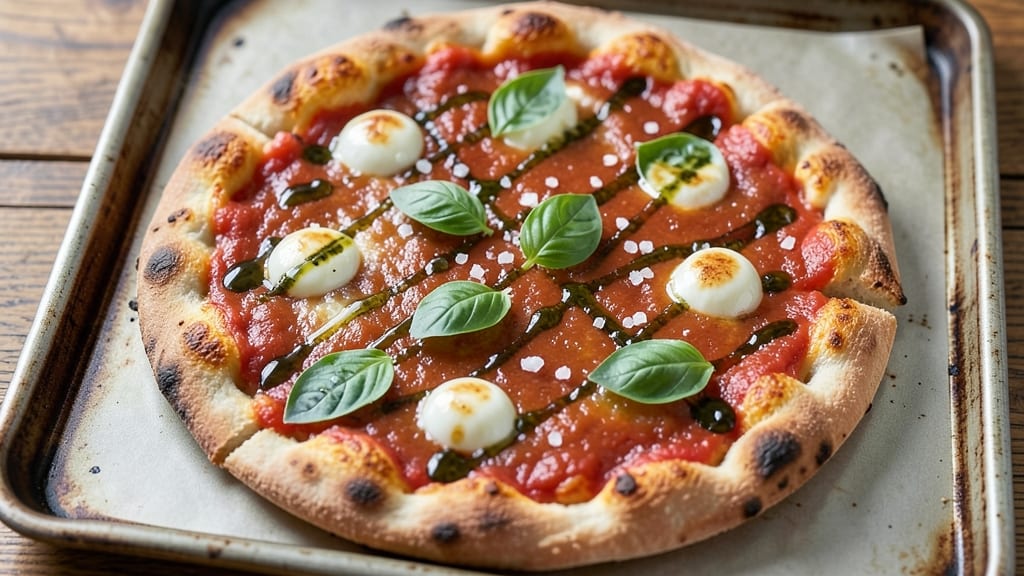
America's Test Kitchen's French bread pizza recipe delivers the perfect balance of crispy crust, chewy interior, and that irresistible cheese pull we all crave.
This isn't your typical pizza—it starts with a bread-like dough that bakes up with a crackly exterior and pillowy center, inspired by the same rigorous testing that made ATK famous. The secret lies in precise dough hydration and baking technique, which transform simple ingredients into something restaurant-worthy.
What sets this recipe apart is the attention to detail that makes every bite satisfying. The dough develops flavor through proper fermentation, while the sauce—whether classic tomato or a lighter alternative—stays vibrant without overwhelming the toppings.
Top with your favorite cheese and toppings, then bake on a preheated pizza stone or baking sheet for that signature crispy crust and perfect cheese pull. This is pizza that feels indulgent yet remains approachable for home cooks.
The result is a pizza with a crackly, golden crust that gives way to tender, airy dough underneath, all topped with melted cheese that stretches beautifully. The flavors are balanced, with each component—crust, sauce, cheese, and toppings—working together harmoniously.
Whether you're feeding a family or treating yourself, this recipe delivers professional-quality results with minimal fuss.
Ready to elevate your pizza game? This method ensures consistent results every time, from the dough to the final bake. The key is patience—letting the dough rise properly and baking at the right temperature—and the payoff is worth it.
Let's get started on creating the perfect French bread pizza at home.
Ingredients for america's test kitchen french bread pizza
The secret to ATK's legendary French bread pizza starts with these 13 ingredients—simple but precise.
| Ingredient | Amount | Notes |
|---|---|---|
| All-Purpose Flour 🌾 | 3 ½ cups | High-protein for chewy texture |
| Active Dry Yeast 🍞 | ¼ tsp | Fresh yeast preferred, not instant |
| Granulated Sugar 🍬 | ¼ tsp | Feeds yeast for activation |
| Diamond Crystal Kosher Salt 🧂 | 1 ½ tsp | Fine grain preferred |
| Extra-Virgin Olive Oil 🫒 | ½ cup | High-quality, fruity variety |
| Warm Water 💧 | 1 ¼ cups | 105-110°F for yeast activation |
| San Marzano Crushed Tomatoes 🍅 | 1 cup | High-quality canned tomatoes |
| Garlic Cloves 🧄 | 3 cloves | Fresh, minced for sauce |
| Fresh Basil Leaves 🌿 | ¼ cup | Chopped, for sauce freshness |
| Mozzarella Cheese 🧀 | 1 ½ cups | Fresh, shredded (low-moisture works) |
| Parmesan Cheese 🧀 | ½ cup | Freshly grated, for topping |
| Cornmeal 🌽 | ¼ cup | For dusting pizza peel |
| Baking Sheet 🍳 | 1 whole | For even baking surface |
The flour is non-negotiable—King Arthur or Caputo give that signature chewy texture. Diamond Crystal kosher salt (not table salt) ensures perfect seasoning without overpowering. For the yeast, Bob's Red Mill active dry works best—never instant yeast here. The San Marzano tomatoes are a game-changer; their natural sweetness shines without canned aftertaste. I always grab a 28-ounce can and save the rest for pasta sauce. Fresh basil? Grow your own if possible—store-bought wilts fast. The extra-virgin olive oil should be fruity and peppery; California Olive Ranch is my go-to for consistent quality.
No San Marzano? Crushed tomatoes from Whole Foods work in a pinch, but skip the seasoning packet. Fresh garlic cloves can be swapped for 1 tsp garlic powder (though fresh is better). No fresh basil? Dried oregano at half the amount keeps the flavor profile intact. For cheese, low-moisture mozzarella (like Sargento) prevents a soggy crust. Parmesan must be freshly grated—pre-shredded has anti-caking agents that ruin the texture. The baking sheet can be swapped for a pizza stone (preheat for 30 minutes at 500°F), but a heavy-duty sheet works just as well. Trader Joe's has great pre-shredded mozzarella if you're short on time.
The dough needs 2 hours at room temp before shaping—don't rush this! Store unused flour in an airtight container for 6 months, yeast in the fridge for up to 3 months. The sauce keeps 5 days in the fridge; double the batch and freeze half. Parmesan stays fresh 3 months in the freezer. For leftovers, slice and reheat at 375°F for 8-10 minutes—the crust crisps up beautifully. Pro tip: Use a pizza wheel for clean slices, and always serve with a sprinkle of fresh basil and a drizzle of olive oil for that restaurant finish.
Why You'll Love This Recipe
- No-Knead Magic: I swear by this dough—just mix the yeast, flour, sugar, and a splash of olive oil, let it rise overnight, and wake up to something alive. No punishing kneading, no failed attempts at windowpane tests. The salt and sugar balance so well the first bite tastes like a bakery secret.
- Crispy-Chewy Crust: That olive oil in the dough? It’s the MVP. The crust gets this perfect contrast—crisp at the edges, pillowy soft inside—without needing a special pan or gimmicks. Honestly, it’s the kind of texture that makes you pause mid-slice just to appreciate it.
- Weeknight Hero: Between us, this is my go-to for lazy Tuesdays or when friends drop by unannounced. Toss on whatever’s in the fridge (pepperoni, veggies, even just marinara), bake it, and suddenly you’re serving restaurant-quality pizza. No stress, no fuss—just good food.
- Budget-Friendly Stretch: Five ingredients, one dough, endless possibilities. Make a big batch, freeze half, and you’ve got a pantry staple that costs pennies per serving. My college self would’ve cried happy tears over this—now my actual self does. (Yes, even on a Tuesday night.)
Step-by-step instructions for america's test kitchen French bread pizza
Here's how to craft the ultimate French bread pizza with a crispy crust that crackles and a chewy dough that pulls perfectly.
Activate the Yeast and Mix the Dough
In a large mixing bowl, combine the 1.25 cups warm water, 0.25 tsp granulated sugar, and 0.25 tsp active dry yeast. Let this sit for 5-10 minutes until the mixture becomes foamy and bubbly—this confirms the yeast is alive and ready to work. If it doesn’t bubble, your yeast might be dead, and you’ll need to start over.
Once the yeast is active, add the 3.5 cups all-purpose flour and 1.5 tsp diamond crystal kosher salt to the bowl. Mix these dry ingredients together until the flour is evenly distributed. Then, drizzle in the 0.5 cup extra-virgin olive oil while stirring with a wooden spoon or your hands. The dough will begin to come together as you work it.
Knead the dough for 8-10 minutes by hand on a lightly floured surface, or use a stand mixer with a dough hook for 5-6 minutes until it’s smooth and elastic. The dough should be slightly tacky but not sticky—if it sticks to your fingers, add a little more flour, but don’t overdo it. Once kneaded, place the dough in a lightly oiled bowl, cover it with a damp towel, and let it rise in a warm place for 1-2 hours, or until it has roughly doubled in size. This rising step is critical for developing the chewy texture that sets this pizza apart.
Prepare the Tomato Sauce and Shape the Dough
While the dough rises, prepare the sauce by combining the 1 cup san marzano crushed tomatoes, 3 minced garlic cloves, and 0.25 cup chopped fresh basil leaves in a small saucepan. Simmer this mixture over medium-low heat for 10-12 minutes until it thickens slightly and the flavors meld together. Season with salt to taste—this sauce should be rich but not overly acidic. Set it aside to cool while you work with the dough.
Once the dough has risen, punch it down gently to release the air and divide it into 4 equal portions. Roll each portion into a 12-inch round on a lightly floured surface, keeping the edges slightly thicker than the center. This will give you that signature French bread pizza shape with a crispy crust and a soft, chewy interior. If the dough resists rolling, let it rest for 5 minutes to relax the gluten.
Assemble and Bake for the Perfect Crust
Preheat your oven to 475°F and place the 1 whole baking sheet inside to heat up while the oven comes to temperature. This step ensures your pizza goes in on a scorching-hot surface, which is key for that crispy crust. Remove the baking sheet just before you’re ready to bake.
Dust the baking sheet generously with 0.25 cup cornmeal—this prevents sticking and adds a subtle crunch. Spread a thin, even layer of the tomato sauce over each rolled-out dough round, leaving a ½-inch border uncovered. This border will become the crispy, chewy crust you’re after. Sprinkle each pizza with ½ cup shredded mozzarella cheese and ⅛ cup freshly grated parmesan cheese, dividing the cheeses evenly.
Transfer the assembled pizzas to the preheated baking sheet and bake for 12-15 minutes, or until the crust is deep golden brown and the cheese is bubbling and beginning to pull in places. The edges should be crispy, almost crackling, while the center remains soft and chewy. Rotate the baking sheet halfway through baking to ensure even browning.
Finish and Serve with Confidence
Remove the pizzas from the oven and let them rest for 2-3 minutes—this allows the cheese to set slightly and makes slicing easier. The crust should be firm enough to hold its shape but still tender enough to pull. If the cheese isn’t pulling as dramatically as you’d like, a quick broil for 1-2 minutes can help melt it further while keeping the crust crispy.
Slice each pizza into 6-8 wedges and serve immediately. The contrast of the crispy, crackly crust with the soft, chewy interior and the perfect cheese pull will have everyone reaching for seconds. This is where the magic happens—every bite delivers the texture and flavor you’ve worked so hard to achieve.
Pro Tips For Making America'S Test Kitchen French Bread Pizza
- Measure Salt Precisely: Diamond Crystal kosher salt is not the same as table salt—this recipe counts on its flaky texture and lower density. Use the included measuring spoon (or weigh it: 1 tablespoon = ~18g), or you’ll end up with dough that’s either bland or overproofed. I learned this the hard way when my first batch tasted like it needed more salt after baking.
- Proof Dough at 75°F: Yeast loves consistency, and room temperature varies wildly. If your kitchen’s above 78°F, proof the dough in a slightly cooler spot (like a turned-off oven with the light on) to avoid overproofing. I used to rush this, and my crusts turned out gummy—now I check the dough’s readiness by the poke test (gentle press leaves a slow, springy bounce).
- Skip the Overmixing: Once you add the olive oil and salt to the dough, mix just until combined—no need to knead like you’re punishing the flour. Overworking the dough develops gluten too much, and you’ll end up with a chewy, dense crust instead of the light, airy texture this recipe promises. I was skeptical until I tried it: less effort, better results.
- Preheat Pan and Oven Together: Cast iron retains heat, but it’s not magic—give it 30 minutes in a 475°F oven alongside your pizza stone or baking sheet. This guarantees the pan’s scorchingly hot when the dough hits it, which is non-negotiable for that signature crisp. I used to slide the dough in too early, and the crust never got the snap I wanted—now I wait until the pan’s visibly shimmering.
Serving suggestions for this recipe
Classic Presentation
Serve your French bread pizza with a wooden pizza peel for that authentic touch, or use a large cutting board if you're dining family-style. I like to arrange slices on a slate serving board with a fresh basil sprig and a drizzle of extra-virgin olive oil at the center.
The golden crust should be the star—let it shine by keeping toppings simple and elegant. 🍃
Topping Variations
For a Margherita-style pizza, add fresh mozzarella pearls (like Oggi brand) and heirloom cherry tomatoes halved on top after baking. A white pizza version swaps tomato sauce for ricotta mixed with garlic and lemon zest, topped with shaved prosciutto and arugula.
For meat lovers, spicy Italian sausage and caramelized onions elevate the classic combo.
Dipping Sauces
Serve with garlic-infused olive oil (simmer 3 tbsp olive oil with 2 minced garlic cloves for 2 minutes) for dipping crust pieces. Marinara sauce (blend 1 cup San Marzano tomatoes, 1 tsp dried oregano, and salt) adds a tangy contrast.
For a creamy option, mix ¼ cup sour cream with 1 tbsp lemon juice and chopped chives. 🥄
Cheese Pull Focus
To maximize the cheese pull, serve immediately after baking when the cheese is still stretchy. Use a pizza rocker for dramatic presentation—tilt the board to let cheese strands flow dramatically.
For extra flair, sprinkle red pepper flakes and fresh basil on top right before serving. The contrast of crispy crust and gooey cheese is the highlight! 🧀
Family-Style Setup
Set up a DIY pizza bar with small bowls of toppings: shredded mozzarella, sliced pepperoni, sautéed mushrooms, and baby spinach. Let guests assemble their own mini pizzas on pre-baked dough rounds.
This works great for parties—just pre-bake the dough and sauce separately, then let guests add toppings before a final 5-minute bake at 500°F. 🎉
Leftovers Strategy
Store leftovers in an airtight container for up to 3 days—reheat at 375°F for 8-10 minutes to restore crispiness. For a crispy crust hack, place slices on a baking sheet and broil for 1-2 minutes post-reheating.
Freeze unbaked pizzas (assembled but unbaked) for 2 months—bake straight from frozen at 475°F for 18-20 minutes. 🧊
Nutrition facts
Frequently asked questions
Why does this French-style pizza have a bread-like crust?
The dough uses a higher hydration ratio and precise kneading to create a crispy exterior with a soft, chewy interior—just like artisanal bread. The key is the 1-2 hour rise time and baking on a preheated surface at 475°F, which mimics professional pizzeria techniques. This gives that signature crackly crust while keeping the center tender.
Can I make this pizza without a pizza stone?
A heavy-duty baking sheet works perfectly—just preheat it in the oven for 15 minutes before adding the pizza. For extra crispiness, use a cornmeal-dusted sheet. If you have a cast-iron skillet, it’s another great alternative—just oil it well first. The goal is to mimic a pizza stone’s heat retention.
How do I fix dough that’s too sticky?
If your dough feels too tacky, sprinkle 1-2 tablespoons of flour in ½-tablespoon increments while kneading—just enough to make it smooth but not dry. Avoid over-flouring, which can make the crust tough. For extra insurance, chill the dough for 15 minutes before shaping to firm it up.
What’s the best way to reheat leftovers?
For best results, reheat slices on a baking sheet at 375°F for 8-10 minutes to restore crispiness. Add a 1-2 minute broil at the end for extra crunch. Avoid microwaving—it makes the crust soggy. Store leftovers in an airtight container for up to 3 days.
Can I use whole wheat flour instead?
Whole wheat flour works but requires adjustments: reduce it to 2.5 cups and add 1 extra cup all-purpose flour to maintain texture. Whole wheat absorbs more liquid, so you may need 1-2 extra tablespoons of water. Expect a slightly denser crust—this isn’t a 1:1 swap, but it’s doable for a heartier version.