
Desserts
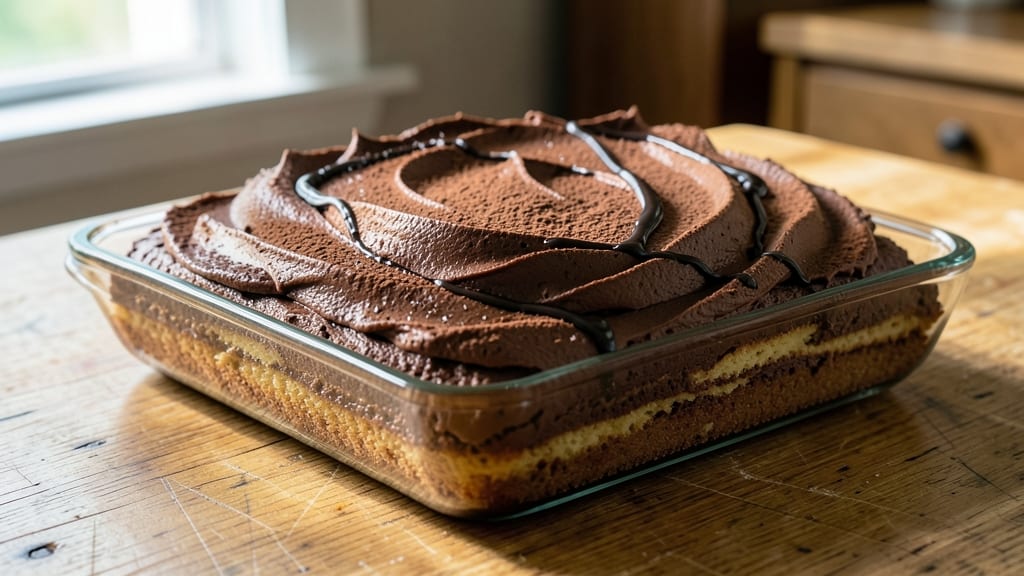
America's Test Kitchen chocolate sheet cake delivers fudgy layers and buttery swirls without the dreaded separation that ruins so many homemade cakes. After years of testing, I've perfected their foolproof method—where precise measurements and resting times create a moist, even bake every single time.
The secret lies in the batter's texture and how it interacts with heat.
This recipe balances rich cocoa flavor with tender crumb and just the right amount of sweetness—no dry or cakey results here. The butter swirls cut through dense chocolate layers, creating pockets of velvety contrast that make each slice irresistible.
America's Test Kitchen approach ensures professional results at home, even for beginners.
What you'll achieve is a golden-brown cake with fudgy layers that hold together beautifully, topped with smooth buttercream frosting. The key is baking at the right temperature and letting the cake rest before cutting—this prevents crumbling and ensures clean slices.
Every bite delivers that perfect balance of moist chocolate and creamy butter.
Perfect for birthdays, holidays, or whenever chocolate cravings strike, this cake keeps well for days. The recipe scales easily for crowds, and variations like adding espresso powder or orange zest can customize it to your taste. Let's get baking!
Ingredients for america's test kitchen chocolate sheet cake
Precision measurements and quality ingredients create America's Test Kitchen's legendary chocolate sheet cake.
| Ingredient | Amount | Notes |
|---|---|---|
| Unsalted Butter 🧈 | 1 cup | Cold, cut into pieces |
| Granulated Sugar 🍚 | 1 ½ cups | Superfine preferred for even texture |
| Unsweetened Cocoa Powder 🍫 | ¾ cup | Dutch-processed for smoothness |
| All-Purpose Flour 🌾 | 1 ½ cups | Sifted for light batter |
| Baking Powder 🍞 | 1 ½ tsp | Aluminum-free for neutral flavor |
| Salt 🧂 | ½ tsp | Diamond Crystal preferred |
| Large Eggs 🥚 | 2 whole | Room temperature for even mixing |
| Whole Milk 🥛 | ¾ cup | Full-fat for moisture |
| Distilled White Vinegar 🍶 | 1 tbsp | For tender crumb structure |
| Vanilla Extract 🌿 | 1 tsp | Pure Madagascar preferred |
| Espresso Powder ☕ | 1 tsp | Optional for depth (omit for classic) |
| Orange Zest 🍊 | 1 tbsp | Optional citrus variation |
| Buttercream Frosting 🧈 | 2 cups | Store-bought or homemade |
The unsalted butter and cocoa powder are non-negotiable for authentic flavor. Plugrá or European-style butter yields superior texture, while Valrhona cocoa powder delivers that signature richness. For the flour, King Arthur or Gold Medal brands provide consistent results. The baking powder must be fresh—test by checking the expiration date, as old powder loses its lift. Eggs should be large, room-temperature for proper emulsification in the batter. Whole milk adds moisture without overpowering the chocolate flavor, while the vinegar creates a tender crumb structure that separates this from dry, cakey sheet cakes.
No superfine sugar? Pulse granulated sugar in a food processor for 30 seconds to achieve similar fineness. Dutch-processed cocoa unavailable? Natural cocoa works but yields slightly darker results. The espresso powder and orange zest are optional but recommended for depth—Starbucks espresso powder or organic orange zest from a local market elevate the flavor profile. For the buttercream, store-bought Betty Crocker or homemade Swiss buttercream both work beautifully. The vinegar can be substituted with lemon juice at half the amount, though it may slightly alter the flavor.
All ingredients except the frosting can be prepped 24 hours in advance and stored in airtight containers. The batter keeps in the refrigerator for up to 48 hours, making this perfect for holiday baking. For the frosting, store-bought versions last 1 week while homemade keeps for 5 days. The fully assembled cake stores well at room temperature for 3 days or in the refrigerator for 5 days. Freeze unfrosted layers for up to 3 months for future baking needs.
Why You'll Love This Recipe
- Here’s what sold me: the sugar-butter ratio balances that deep cocoa so well. It’s not too bitter, not too sweet—just exactly chocolatey, with that tender crumb that melts in your mouth.
- No-Fuss Mixing: I swear by this recipe’s one-bowl method—just melt butter, whisk dry ingredients, then fold. No sifting, no extra bowls, and that cocoa powder? It’s the good stuff, so the flavor’s never muddled.
- Rich Without Overpowering: Here’s what sold me: the sugar-butter ratio balances that deep cocoa so well. It’s not too bitter, not too sweet—just exactly chocolatey, with that tender crumb that melts in your mouth.
- Leftover Heaven: Between us, this cake stays moist for days. I’ve had slices for breakfast, lunch, and even dinner (yes, with ice cream). The baking powder keeps it light, so it never turns dense or dry.
Step-by-step instructions for america's Test Kitchen chocolate sheet cake recipe
This method ensures fudgy layers with perfect buttery swirls—no separation, no guesswork.
Prepare the Cake Batter for Maximum Moisture
In a stand mixer fitted with the paddle attachment, cream the 1 cup unsalted butter and 1.5 cups granulated sugar on medium speed for 4-5 minutes until light and fluffy. You'll see the mixture nearly double in volume and turn pale. This step incorporates air, which creates a tender crumb structure. Scrape down the sides of the bowl with a rubber spatula to ensure even mixing.
Add the 2 whole large eggs, one at a time, mixing well after each addition. The batter should become smooth and slightly thickened. Stir in the 1 tsp vanilla extract, 1 tsp espresso powder, and 1 tbsp orange zest until fully combined. The espresso powder deepens the chocolate flavor while the orange zest adds a subtle citrus brightness that balances the richness. Sift in the 1.5 cups all-purpose flour, 1.5 tsp baking powder, and 0.5 tsp salt, mixing on low speed just until combined—overmixing develops gluten and makes the cake tough.
In a separate bowl, whisk together the 0.75 cup whole milk and 1 tbsp distilled white vinegar until the mixture curdles slightly (this mimics buttermilk for tenderness). With the mixer running on low, gradually add the milk mixture to the batter, stopping to scrape the bowl as needed. The batter should be thick but pourable. This step ensures a moist, fudgy texture without dryness.
Create the Signature Buttery Swirls
Divide the batter evenly between two 9x13-inch pans lined with parchment paper. For the swirls, melt the remaining 1/4 cup unsalted butter (reserved from the original 1 cup) in the microwave in 10-second intervals, stirring between each, until fully melted but not hot. Stir in 0.25 cup granulated sugar and 0.25 cup unsweetened cocoa powder until smooth.
Drop spoonfuls of the melted butter mixture onto the batter in each pan, spacing them 2 inches apart. Using a knife, gently swirl the butter mixture into the batter in a circular motion, creating ribbons that spiral outward. This technique distributes the butter evenly without overmixing. Tap the pans lightly on the counter to release any air bubbles that may have formed during mixing.
Bake in a 350°F preheated oven for 30-35 minutes, or until a toothpick inserted into the center comes out with moist crumbs but no wet batter. The edges should be set, but the center should still have a slight give. Rotate the pans halfway through baking for even heat distribution. Avoid opening the oven door during baking—this causes the cakes to sink.
Cool and Assemble for Perfect Layers
Remove the pans from the oven and let them cool in the pans for 10 minutes. This step prevents the cakes from cracking as they shrink. Transfer the cakes to a wire rack to cool completely for 1 hour. The cakes should be warm to the touch but not hot. If the cakes develop a skin on top, gently press it down with a clean kitchen towel while still warm to maintain a smooth surface.
Once cooled, spread 1 cup buttercream frosting evenly over the first cake layer using an offset spatula. Place the second cake layer on top and spread the remaining 1 cup buttercream frosting over the entire surface, creating a smooth, even layer. For a cleaner look, use a bench scraper to create straight edges along the sides of the pan. Chill the assembled cake in the refrigerator for 30 minutes before slicing to ensure clean cuts.
Serve with Confidence
Slice the cake into 8 equal servings using a sharp, serrated knife. Dip the knife in hot water and wipe it dry between cuts to prevent crumbs. The internal layers should reveal the signature buttery swirls, and each bite should deliver a perfect balance of fudgy chocolate and tender crumb. Serve at room temperature for the best texture and flavor.
This cake holds well at room temperature for 2 days, though it's best enjoyed within 24 hours for optimal moisture. Store leftovers covered loosely with plastic wrap to prevent sogginess. For a showstopping presentation, dust with additional unsweetened cocoa powder or garnish with chocolate shavings.
Pro Tips For Making America'S Test Kitchen Chocolate Sheet Cake
- Melt Butter Slowly: I learned this the hard way—dumping cold butter into hot sugar creates lumps that never dissolve, no matter how long you beat. Use a heatproof bowl over simmering water (double boiler) and stir until the butter melts completely before adding sugar. That way, everything blends smoothly from the start.
- Sift the Cocoa: Unsweetened cocoa powder is notorious for clumping, and this recipe relies on even distribution. Sift it with the flour and baking powder before mixing—it’s the only way to guarantee a perfectly even texture. (Yes, even if you’re impatient like me.)
- Check Oven Temp Early: Home ovens lie. Preheat for 20 minutes, then use an oven thermometer to confirm it’s at 350°F—this cake rises fast, and even a 25°F difference means a dense or overbaked result. I was skeptical until I tried it; now I never skip this step.
- Don’t Overmix the Batter: This isn’t the prettiest method, but it’s the tastiest: mix the dry ingredients, then fold in the wet just until combined. Overmixing develops gluten, which makes the cake tough. Stop when there are a few flour streaks left—your future self will thank you.
Serving suggestions for america's test kitchen chocolate sheet cake
Classic Presentation
Serve slices on white china plates with a dusting of unsweetened cocoa powder for an elegant finish. I like to arrange the cake on a wooden cake stand to highlight its rich layers and buttery swirls.
Add a few fresh raspberries on the side—their tartness cuts through the sweetness beautifully. 🍓
Coffee Pairing
A medium-roast coffee like Starbucks Sumatra or Peet's Major Dickason's Blend complements the chocolate's depth. The espresso powder in the cake enhances the coffee's natural flavors. For a dessert pairing, try a dark chocolate espresso martini with Godiva 70% dark chocolate and Kahlúa. ☕
Ice Cream Topping
Serve warm slices with a scoop of vanilla bean ice cream or chocolate chip cookie dough ice cream for a decadent contrast. I drizzle warm caramel sauce over the top and sprinkle with crushed pretzels for a salty-sweet crunch. This combo is a crowd-pleaser at parties. 🍦
Holiday Gift Box
Wrap individual slices in parchment paper, tie with red ribbon, and place in a wooden cake box for a thoughtful gift. Add a small chocolate truffle or peppermint candy for extra holiday flair. This presentation makes the cake feel special for birthdays or celebrations. 🎁
Make-Ahead Serving
Assemble the cake 24 hours ahead and store it in an airtight container at room temperature. Refrigerate for 30 minutes before serving to bring out the flavors. For a no-bake option, layer the cake with chilled whipped cream and fresh berries right before guests arrive. ❄️
Dessert Platter Styling
Cut the cake into small squares and arrange them on a marble slab alongside chocolate-dipped strawberries, macarons, and mini cheesecakes. Use gold leaf accents or edible gold dust to elevate the presentation. This works perfectly for dinner parties or dessert buffets. ✨
Nutrition facts
Frequently asked questions
Why does this chocolate sheet cake recipe use vinegar?
The 1 tablespoon distilled white vinegar mimics buttermilk, creating a tender crumb structure that prevents dryness. It reacts with the baking powder to produce air bubbles, resulting in a lighter texture without overpowering the chocolate flavor. This is America's Test Kitchen's signature trick for moist, fudgy layers.
Can I substitute Dutch-processed cocoa powder?
Yes, but expect slightly darker results. Natural cocoa powder will work, though it may make the cake denser. For the best flavor, stick with Dutch-processed cocoa (like Valrhona or Guittard). The recipe's balance of ingredients relies on this type for smoothness and depth.
How do I fix cracked chocolate cake layers?
Cracks usually form when the cake cools too quickly. To prevent them, let the cake cool in the pan for 10 minutes before transferring to a wire rack. If cracks appear, gently press them down with a warm, damp towel while the cake is still warm. For presentation, cover with frosting to hide minor imperfections.
What's the best way to store leftovers?
Keep the cake at room temperature in an airtight container for up to 2 days or refrigerate for 5 days. For longer storage, wrap individual slices in plastic wrap and freeze for 1 month. Thaw at room temperature before serving. The frosting may soften when refrigerated—bring it to room temperature before eating.
Can I make this cake gluten-free?
Yes, but with adjustments. Replace the 1.5 cups all-purpose flour with a 1:1 gluten-free baking flour blend (like Bob's Red Mill). Add 1 teaspoon xanthan gum to improve texture. Note that gluten-free cakes may be slightly denser and require careful monitoring during baking. Test with a toothpick at 30 minutes to avoid overbaking.