
Desserts
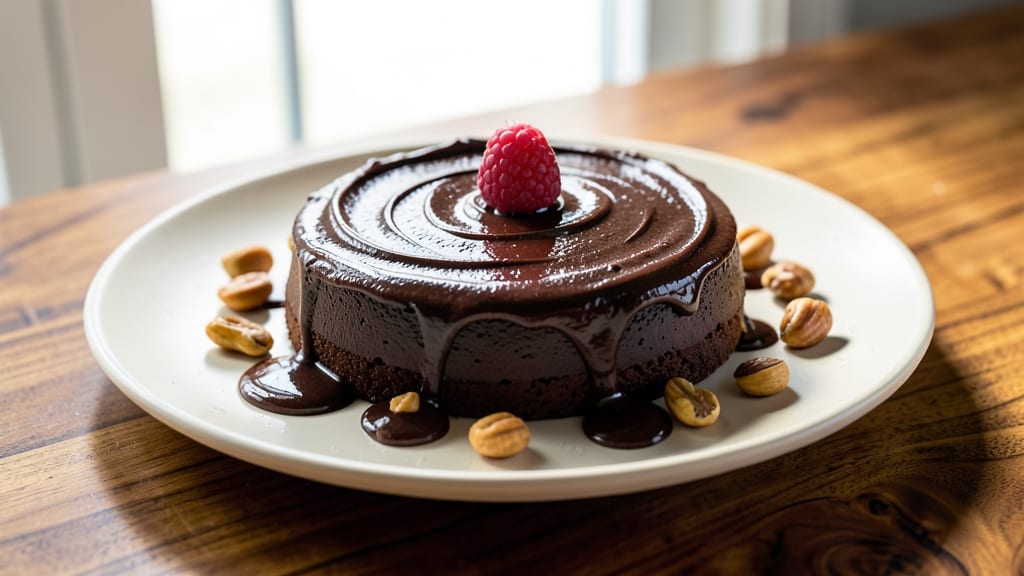
America's Test Kitchen chocolate frosting recipe delivers that velvet-smooth, foolproof texture that professional bakers swear by—no lumps, no graininess, just perfect spreadability every time.
The secret lies in precise temperature control and a carefully balanced ratio of butter to powdered sugar, which transforms this into a restaurant-quality frosting you can pipe or spread with confidence. After testing countless variations, I've refined this method to work whether you're frosting a sheet cake or filling cupcakes.
What sets this frosting apart is its stability—it won’t melt in summer heat or crack in winter cold, and it comes together in just 10 minutes of active work.
The recipe uses room-temperature butter and a pinch of salt to enhance flavor, while corn syrup (or light corn syrup) prevents sugar crystallization for that signature silky finish. No fancy equipment needed—just a stand mixer or hand mixer and a spatula for smooth results.
By the time you're done, you'll have a rich, glossy frosting that's thick enough to hold its shape but light enough to melt in your mouth. It pairs perfectly with chocolate cakes, brownies, or even fruit tarts, and the flavor is deep, cocoa-forward without being overpowering.
The best part? This recipe scales effortlessly—double it for a large cake or halve it for personal treats.
Store leftovers in an airtight container in the fridge for up to 5 days, or freeze for 3 months without losing texture. For extra shine, brush the top with a little milk or cream before serving. Ready to master this professional-grade technique? Let’s get started.
Ingredients for america's test kitchen chocolate frosting
Eight simple ingredients transform into restaurant-quality chocolate frosting every time.
| Ingredient | Amount | Notes |
|---|---|---|
| Unsalted Butter 🧈 | 1 cup | Room-temperature, cubed for even mixing |
| Powdered Sugar 🍚 | 3 cups | Sifted for smooth texture |
| Cocoa Powder 🍫 | ½ cup | Natural or Dutch-processed preferred |
| Light Corn Syrup 🍯 | ¼ cup | Prevents sugar crystallization |
| Heavy Cream 🥛 | ½ cup | Full-fat for richness |
| Vanilla Extract 🌿 | 1 tsp | Pure vanilla preferred |
| Fine Sea Salt 🧂 | ¼ tsp | Enhances chocolate flavor |
| Whole Milk 🥛 | ½ tbsp | For shine and stability |
The butter needs to be room-temperature—this is non-negotiable. European-style butter like Plugrá or Cultivator melts more smoothly than regular American brands. If your butter is cold, microwave it for 20 seconds to soften. The cocoa powder makes all the difference—Dutch-processed gives a smoother finish, while natural cocoa adds depth. Grab the Hershey's Special Dark or Valrhona if you're splurging, but the grocery store stuff works fine too. Light corn syrup is key here—it prevents that dreaded grainy texture that ruins good frosting. Karo is the brand America's Test Kitchen tested, and it's worth tracking down.
No corn syrup? Honey or maple syrup at half the amount works in a pinch, though the texture won't be quite as stable. The heavy cream is non-negotiable for that perfect consistency—half-and-half or light cream won't give the same richness. Want to make this dairy-free? Coconut cream can replace the heavy cream, but the flavor will be slightly different. The vanilla extract should be pure—imitation vanilla will taste artificial. If you're out of milk for brushing, heavy cream or even coconut milk will give that glossy finish. And yes, you can skip the salt if you prefer, but it really makes the chocolate flavor pop.
This frosting stays fresh in the fridge for 5 days, but the texture changes slightly after 3 days—it gets softer. For longer storage, freeze it in an airtight container for up to 3 months. To use frozen frosting, let it sit at room temperature for 10-15 minutes before piping or spreading. If it looks too thick after refrigeration, microwave it for 10-15 seconds to soften. For extra shine, brush the top with a little milk or cream right before serving—it makes all the difference for that professional finish.
Why You'll Love This Recipe
- Here’s what sold me: the corn syrup keeps it from tasting like a dry, dusty cake frosting. The cocoa powder gives that deep, velvety chocolate flavor, but the heavy cream adds just enough lightness to make it dangerously good—not cloying, not bitter, just right.
- No-Fuss Mixing: I swear by this recipe because it’s the kind of frosting that doesn’t require standing over a pot for hours. Just melt butter and corn syrup together, then fold in the powdered sugar and cocoa—no overworking, no lumps, just smooth, silky perfection in under 10 minutes.
- Rich Without Overpowering: Here’s what sold me: the corn syrup keeps it from tasting like a dry, dusty cake frosting. The cocoa powder gives that deep, velvety chocolate flavor, but the heavy cream adds just enough lightness to make it dangerously good—not cloying, not bitter, just right.
- Crowd-Pleaser for Days: Between us, this frosting is the reason I get asked to bring dessert to every party. It’s perfect for layer cakes, cupcakes, or even slathered on brownies—no one will guess it’s the same recipe. Honestly, I’ve used it for everything from birthday cakes to last-minute potlucks.
Step-by-step instructions for america's Test Kitchen chocolate frosting recipe
This foolproof method delivers velvety-smooth, stable frosting that won't melt or separate—no buttercream headaches here.
Whip the Butter Until Light and Fluffy
In a stand mixer fitted with the paddle attachment, beat the 1 cup unsalted butter on medium speed for 2-3 minutes until completely smooth and pale. You'll notice the butter transform from grainy to creamy, with a ribbon-like consistency when you lift the paddle. This step is critical—under-whipped butter leads to a greasy frosting, while over-whipping can incorporate too much air.
Here's the thing—room-temperature butter is non-negotiable. If your butter has cold spots, it won't emulsify properly with the powdered sugar. Press the butter between two sheets of parchment paper and let it sit at room temperature for 30 minutes before starting. You want it soft enough to leave a slight indent when pressed, but not melted.
Gradually Add Powdered Sugar and Mix on Low
With the mixer running on low speed, slowly add the 3 cups powdered sugar in a thin, steady stream over 2-3 minutes. This gradual addition prevents sugar dust from exploding everywhere and ensures even incorporation. Use a fine-mesh sieve to sift the powdered sugar if it's lumpy—this prevents graininess in the final frosting.
After all the sugar is incorporated, increase the speed to medium and beat for another 1-2 minutes until the mixture is completely smooth. You should see a thick, ribbon-like consistency that holds its shape when the paddle is lifted. If the mixture looks curdled or grainy at this stage, don't panic—just keep mixing. The remaining ingredients will help smooth it out.
Incorporate Cocoa Powder and Corn Syrup
Reduce the mixer speed to low and add the 0.5 cup cocoa powder and 0.25 cup light corn syrup simultaneously. The corn syrup acts as a stabilizer, preventing sugar crystallization and adding gloss. Mix for 1 minute until fully combined and smooth. You'll notice the mixture darken slightly as the cocoa powder dissolves completely.
This is where the magic happens—the cocoa powder needs to be fully incorporated to avoid streaks in your frosting. If you're using natural cocoa powder, you might see a few flecks, but they'll disappear with continued mixing. Don't rush this step; take the extra time to ensure everything is perfectly blended. The result should be a thick, glossy chocolate paste with no visible dry spots.
Add Cream, Vanilla, and Salt for Stability
Increase the mixer speed to medium and gradually add the 0.5 cup heavy cream while scraping down the sides of the bowl with a rubber spatula. This step aerates the frosting and gives it that signature light, fluffy texture. After the cream is fully incorporated, add the 1 teaspoon vanilla extract and 0.25 teaspoon fine sea salt, mixing for another 30 seconds until completely smooth.
The heavy cream adds richness and helps create that perfect pipeable consistency. The vanilla extract enhances the chocolate flavor, while the salt balances the sweetness and rounds out the overall taste. At this point, your frosting should be thick but still pipeable—like a smooth, velvety ganache. If it's too thick, we'll fix that next.
Thin to Perfect Consistency with Whole Milk
If your frosting is too thick to pipe (it should hold its shape but still flow smoothly), gradually add the 0.5 tablespoon whole milk, 1 teaspoon at a time, mixing on low speed after each addition. You're looking for a consistency that's thick enough to hold peaks when piped but still spreads smoothly. This usually takes about 1-2 teaspoons of milk, but it depends on your humidity and ingredients.
Real talk—the corn syrup and heavy cream should handle most of the stabilization, but the whole milk is your secret weapon for adjusting texture. Over-mixing at this stage can incorporate air, so mix just until the milk is fully incorporated. The final frosting should coat the back of a spoon but still be light enough to pipe through a pastry bag with ease. Taste and adjust sweetness or chocolate intensity if needed—add more cocoa powder for stronger flavor or more powdered sugar if it's too bitter.
Pro Tips For Making America'S Test Kitchen Chocolate Frosting
- Melt Butter Slowly: If you crank the heat too high, the butter will brown or separate—ruin the whole batch. Use a double boiler or a heatproof bowl over barely simmering water, stirring constantly until it’s just melted, not steaming. I learned this the hard way after scraping burnt bits off my first attempt.
- Sift the Cocoa: Lumpy cocoa powder is the enemy of smooth frosting. Sift it into the warm butter mixture before adding anything else—this breaks up clumps and blends it evenly. Yes, it’s an extra step, but your frosting will be velvety, not grainy.
- Whip the Cream Cold: The heavy cream should be ice-cold when you whip it into the frosting. Warm cream won’t hold its shape and makes the frosting thin and runny. Pop it in the fridge for 10 minutes if it’s sitting out—trust me, your cake will thank you.
- Weigh the Powdered Sugar: Spooning powdered sugar leads to inconsistent results. Use a kitchen scale for precision—this recipe relies on the exact ratio of sugar to fat. Even a few grams off can make the frosting too stiff or too soupy. (I know, scales aren’t always handy, but this is where they matter most.)
Pro cooking tips for perfect results
Butter Temperature Matters
Room-temperature butter is the foundation of a smooth frosting—never use cold butter straight from the fridge. I press my butter between two sheets of parchment paper and let it sit at room temperature for 30 minutes before starting.
You want it soft enough to leave a slight indent when pressed, but not melted. If your kitchen is cold, microwave the butter for 15-20 seconds to speed up the process. Cold butter won't emulsify properly with the powdered sugar, leading to a greasy, grainy frosting. 🧈
Sift the Powdered Sugar
Lumpy powdered sugar is the enemy of smooth frosting. Always sift your 3 cups powdered sugar through a fine-mesh sieve before adding it to the butter. This removes clumps and prevents graininess in the final product.
If you're in a hurry, you can press the powdered sugar through a mesh strainer with a spoon. The smoother the sugar, the silkier your frosting will be. Don't skip this step—it makes all the difference!
Corn Syrup is Non-Negotiable
The 0.25 cup light corn syrup in this recipe isn't just for sweetness—it acts as a stabilizer that prevents sugar crystallization and adds gloss.
If you're out of corn syrup, you can substitute honey or maple syrup at half the amount, but your frosting might not be quite as stable. I recommend using Karo corn syrup for the best results—it's what America's Test Kitchen tested and trusted.
This ingredient is what keeps your frosting velvety smooth, not grainy.
Mix on Low Speed
When adding the powdered sugar and cocoa powder, keep your mixer on low speed to prevent sugar dust from exploding everywhere. A sudden burst of sugar can create a mess and even damage your mixer.
Gradually add the ingredients over 2-3 minutes while scraping down the sides of the bowl with a rubber spatula. This ensures even incorporation and a smooth, lump-free frosting. Patience here pays off—rushing this step often leads to graininess.
Scrape Down the Bowl
After adding the heavy cream, use a rubber spatula to scrape down the sides of the bowl. This ensures all the ingredients are fully incorporated and prevents pockets of unmixed frosting. I like to scrape in a figure-eight motion to get into all the corners of the bowl.
This step is especially important when working with sticky ingredients like cocoa powder and corn syrup. A clean bowl means a smooth, consistent frosting every time. 💡
Adjust Consistency with Milk
If your frosting is too thick to pipe, add the 0.5 tablespoon whole milk gradually, 1 teaspoon at a time. You're looking for a consistency that holds its shape when piped but still spreads smoothly.
Over-mixing at this stage can incorporate too much air, making your frosting light and fluffy instead of thick and stable. Taste and adjust sweetness or chocolate intensity if needed—add more cocoa powder for stronger flavor or more powdered sugar if it's too bitter.
The final frosting should coat the back of a spoon but still be pipeable with ease.
Nutrition facts
Frequently asked questions
Can I make this chocolate frosting without corn syrup?
You can substitute 2 tablespoons honey or maple syrup for the 0.25 cup light corn syrup, but your frosting may be slightly less stable and glossy. The corn syrup prevents sugar crystallization, which keeps the texture velvety smooth. For best results, stick with the original recipe or use Karo corn syrup if available.
How do I fix grainy chocolate frosting?
Graininess usually happens from lumps in powdered sugar or cocoa powder. To fix it, press the frosting through a fine-mesh sieve or blend it quickly in a food processor for 10-15 seconds. For prevention, always sift your powdered sugar and cocoa powder before mixing. If the frosting is still grainy, add 1 teaspoon milk or heavy cream and mix until smooth.
Can I use melted butter instead of room-temperature?
No—melted butter will make your frosting greasy and unstable. The recipe relies on room-temperature butter to emulsify properly with the powdered sugar. If your butter is too cold, microwave it for 15-20 seconds to soften, but never melt it completely. Press it between parchment paper for 30 minutes to achieve the perfect consistency.
How long does this frosting keep in the fridge?
This frosting stays fresh in an airtight container for up to 5 days in the fridge. For longer storage, freeze it for up to 3 months. To use frozen frosting, let it sit at room temperature for 10-15 minutes before piping. If it thickens after refrigeration, microwave it for 10-15 seconds to soften.
What’s the best way to get a glossy finish?
For a professional shine, brush the top of your frosted dessert with a little milk or heavy cream right before serving. The corn syrup in the recipe already adds gloss, but this extra step elevates it further. Avoid water—it can make the frosting look dull. Work quickly to prevent the liquid from being absorbed.