
Desserts
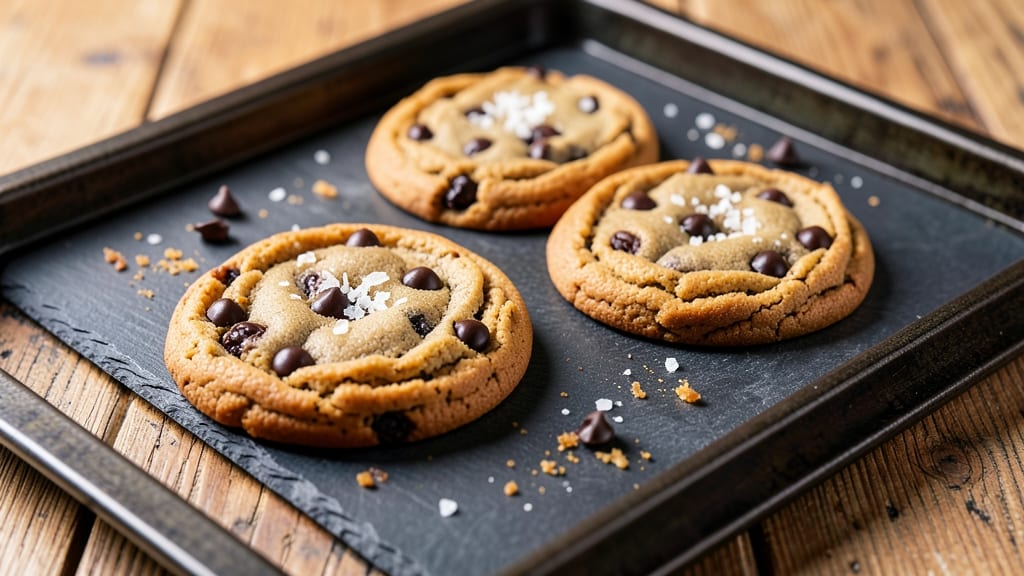
Alton Brown’s chewy chocolate chip cookie recipe isn’t just a dessert—it’s a masterclass in baking science that delivers gooey centers and crisp edges every time.
After years of testing, Brown’s method combines precise ratios with techniques like brown butter and minimal mixing to create cookies that taste like they came from a bakery. The result? A cookie with a texture that’s impossible to resist, where the chocolate stays melty and the edges hold their shape.
What sets these cookies apart is the brown butter, which adds a nutty depth that regular butter can’t match. Brown also emphasizes using high-quality chocolate and a specific mixing approach—just until the dough comes together—to prevent overdevelopment, which keeps those cookies chewy.
This isn’t a recipe for beginners; it’s a foolproof technique for anyone willing to follow the science.
The payoff is worth it: warm, fudgy centers that ooze with chocolate, surrounded by edges that stay crisp enough to hold a fork. The aroma alone—caramelized butter, toasted sugar, and melting chocolate—will have your kitchen smelling like a professional bakery.
Serve them fresh from the oven with a glass of cold milk, and you’ll understand why this recipe is legendary.
Ready to bake? We’ll walk through every step—from the brown butter to the perfect resting time—to ensure your cookies turn out just like Brown’s. Whether you’re a seasoned baker or a curious beginner, this recipe delivers restaurant-quality results at home.
Ingredients for alton brown chewy chocolate chip cookie
Brown butter and precise ratios transform simple pantry staples into legendary chewy cookies.
| Ingredient | Amount | Notes |
|---|---|---|
| Unsalted Butter 🧈 | 1 cup | Browned for nutty flavor |
| Granulated Sugar 🍚 | ¾ cup | White or light brown |
| Packed Brown Sugar 🍚 | ¾ cup | Light or dark preferred |
| Large Eggs 🥚 | 2 whole | Room temperature preferred |
| Vanilla Extract 🍯 | 2 tsp | Pure, high-quality extract |
| All-Purpose Flour 🌾 | 2 ½ cups | Sifted for even texture |
| Baking Soda 🧂 | ½ tsp | Pure, not baking powder |
| Salt 🧂 | ½ tsp | Fine sea salt preferred |
| Semisweet Chocolate Chips 🍫 | 2 cups | High-quality, 60% cacao |
| Flaky Sea Salt 🧂 | 1 tbsp | For finishing cookies |
The butter makes all the difference here. Unsalted butter is non-negotiable—its neutral flavor lets the caramelized notes shine. Brown it until it’s golden and smells like toasted nuts (about 5-6 minutes over medium heat), then let it cool completely before mixing. Land O’Lakes or Plugrá are reliable brands, but any high-quality unsalted will work. For the sugars, light brown sugar adds moisture while white sugar provides structure. Don’t pack the brown sugar too tightly—just press it down gently. The chocolate chips? Valrhona or Guittard are worth the splurge, but Ghirardelli is a solid mid-range option. If you’re using bars, chop them into uneven pieces for maximum melty pockets.
No brown butter? Regular butter plus 1 tsp brown sugar mimics the caramelized flavor, though it won’t be identical. Swap semisweet chocolate for dark chocolate (70% cacao) at half the amount if you prefer less sweetness. Running low on vanilla? Almond extract at half the quantity adds depth, but the flavor will differ. For the flour, King Arthur or Gold Medal are consistent choices—avoid self-rising or bleached flours, as they alter texture. If you’re at high altitude, reduce the sugar by 2 tbsp to prevent spreading. And yes, measure your flour by scooping and leveling—packing it changes the chemistry.
Store cookie dough in the fridge for up to 3 days, covered tightly. For longer storage, freeze portions for 3 months. Baked cookies keep in an airtight container at room temperature for 5 days, though they’ll lose crispness after 2. To reheat, warm for 10-15 seconds in the microwave—just enough to revive the chocolate. These cookies reheat beautifully, so bake a batch ahead and freeze extras. The flaky sea salt? Sprinkle it on right after baking while the cookies are still warm for that bakery-style finish.
Why You'll Love This Recipe
- Here’s what sold me: the cold butter cut into the dough creates those perfect chewy pockets with crisp edges. The brown sugar’s caramel notes? They make every bite taste like a hug from your favorite baker.
- No Mixing Madness: I swear by this recipe because it’s one bowl, one mixer—no switching pans, no scraping bowls. The butter and sugars cream together so smoothly, you’ll forget you’re even baking.
- That Crunchy-But-Fudgy Magic: Here’s what sold me: the cold butter cut into the dough creates those perfect chewy pockets with crisp edges. The brown sugar’s caramel notes? They make every bite taste like a hug from your favorite baker.
- Weeknight Hero: Between us, I’ve used these cookies to fix dinner when the kids were starving, as a last-minute hostess gift, and even as a breakfast snack (yes, even on a Tuesday). They’re the ultimate crowd-pleaser with zero effort.
Step-by-step instructions for alton brown's chewy chocolate chip cookies
Master the science behind these legendary cookies with precise technique and patience.
Brown the Butter for Maximum Flavor
Melt the 1 cup unsalted butter in a light-colored saucepan over medium heat. Watch closely as it foams and bubbles - you're looking for golden brown flecks that settle at the bottom. This takes about 5-7 minutes. Remove from heat immediately when you see these nutty brown bits, then carefully pour through a fine-mesh strainer to remove any solid pieces.
The browned butter adds a deep, caramelized richness that sets these cookies apart. If you're short on time, you can substitute with regular melted butter, but you'll notice a difference in flavor complexity. Let the browned butter cool slightly before using - it should be warm but not hot when you add it to the eggs.
Cream Butter and Sugars to Lighten the Dough
In a stand mixer fitted with the paddle attachment, beat the cooled browned butter with the 0.75 cup granulated sugar and 0.75 cup packed brown sugar on medium speed for 3-4 minutes. The mixture should become pale and fluffy, nearly doubling in volume. Scrape down the sides of the bowl with a rubber spatula to ensure even mixing.
This creaming process incorporates air into the dough, which creates those signature crackly tops and helps the cookies maintain their chewy texture. Stop when the mixture looks like it could almost hold its shape - it should be light and airy but still soft. The brown sugar will create a moister dough than white sugar alone.
Incorporate Eggs and Vanilla for Structure
Add the 2 large eggs one at a time, mixing on low speed after each addition until fully combined. Then add the 2 teaspoons vanilla extract and mix for another 30 seconds. The mixture will appear slightly curdled at first, but this will resolve as you add the dry ingredients.
Room-temperature eggs incorporate more smoothly and help create a tender cookie texture. If your eggs are straight from the refrigerator, let them sit in warm water for 10 minutes before using. The vanilla extract enhances the chocolate flavor and adds subtle complexity - don't substitute with imitation vanilla.
Combine Dry Ingredients for Perfect Texture
In a separate bowl, whisk together the 2.5 cups all-purpose flour, 0.5 teaspoon baking soda, and 0.5 teaspoon salt. With the mixer on low speed, gradually add the dry ingredients to the wet mixture. Mix just until combined - you should still see small flour streaks. Then remove the bowl from the mixer and gently fold in the 2 cups semisweet chocolate chips using a silicone spatula.
Overmixing develops gluten which makes cookies tough. The baking soda provides lift while the salt enhances all the flavors. Fold the chocolate chips in by hand to distribute them evenly throughout the dough. If you prefer, you can use a mix of semisweet and dark chocolate chips for added depth of flavor.
Chill the Dough for Optimal Texture
Cover the dough with plastic wrap and refrigerate for at least 1 hour, or up to 48 hours. This chilling step is crucial - it allows the flour to hydrate properly and prevents excessive spreading when the cookies bake. The dough will firm up significantly during this time, making it easier to handle.
For best results, chill the dough overnight. This extended chilling develops even more flavor and creates cookies with a perfect balance of chewy centers and crisp edges. When you're ready to bake, let the dough sit at room temperature for 10-15 minutes before scooping to make it more pliable.
Bake for Perfectly Chewy Cookies
Preheat your oven to 350°F and line two baking sheets with parchment paper. Using a cookie scoop or tablespoon, portion the dough into 1.5-tablespoon-sized balls (about 24 cookies total) and place them 2 inches apart on the prepared sheets. Sprinkle each cookie with a pinch of flaky sea salt.
Bake for 11-13 minutes until the edges are golden brown but the centers still look slightly underdone. The cookies will continue cooking on the hot sheet after removal. Rotate the pans halfway through baking for even browning. For extra chewy cookies, press down gently on each ball with your finger before baking.
Pro Tips For Making Alton Brown Chewy Chocolate Chip Cookie
- Cream Butter Slowly: Skip the food processor—use a wooden spoon to mix the butter, sugars, and egg by hand until it’s light and fluffy. I learned this the hard way after overmixing with a mixer, which made my cookies dense and tough. It takes 5-7 minutes, but the texture is worth it.
- Pack Brown Sugar Tight: Use a spoon to press the brown sugar into the measuring cup firmly, then level it off. Too much air means your cookies won’t spread enough, and they’ll taste under-sweetened. I used to eyeball it, but now I double-check—it makes a real difference in that caramelized chew.
- Chill Dough Twice: After mixing, refrigerate the dough for at least 4 hours—overnight is better. Then, scoop balls and freeze them on a tray for 15 minutes before baking. This prevents over-spreading and keeps the centers gooey. I skipped this once, and the cookies flattened into sad pancakes.
- Rotate Trays Mid-Bake: Swap the baking sheets halfway through (around 7-8 minutes) for even browning. The oven’s hot spots will bake one side faster, and you’ll end up with cookies that look perfect but taste uneven. I used to ignore this, but now I treat it like flipping a steak—consistent heat = consistent results.
Troubleshooting your alton brown chewy chocolate chip cookie
Dough Too Sticky
If your dough feels impossible to handle after chilling, you likely overworked it or used too much flour. Start by letting the dough rest at room temperature for an additional 10 minutes—this helps it relax.
If it’s still too sticky, add just 1 tablespoon of flour at a time until it becomes pliable. Overworking the dough develops gluten, which leads to tough cookies. Remember, the dough should hold together but still be soft enough to scoop easily. 🧑🍳
Cookies Spread Too Much
Excessive spreading usually means your oven runs hot or the dough was too warm when baked. First, ensure your oven is properly calibrated—use an oven thermometer to confirm it’s at 350°F.
Chill the dough for the full 1-2 hours before baking, and let it sit at room temperature for 10-15 minutes before scooping. If your kitchen is warm, refrigerate the dough again for 30 minutes before baking.
Also, press down slightly on each dough ball before baking to flatten them—this reduces surface area and minimizes spreading.
Cookies Too Dry or Cakey
Dry, cakey cookies often result from overbaking or using too much flour. Pull cookies out of the oven when the edges are just golden brown and the centers still look slightly underdone—they’ll continue cooking on the hot sheet.
If your dough feels dry when mixing, add 1 tablespoon of milk or water at a time until it comes together. For extra moisture, replace 2 tablespoons of flour with 2 tablespoons of cornstarch in the dry ingredients.
Brown sugar also adds moisture, so ensure it’s packed properly in the measuring cup. 💧
Chocolate Chips Stay Hard
Hard chocolate chips are usually underbaked or from low-quality chocolate. First, use high-quality chocolate chips like Valrhona or Guittard, which melt more evenly. Bake the cookies for the full 11-13 minutes, then let them rest on the baking sheet for 2-3 minutes after removing from the oven.
If the issue persists, try placing the baking sheet on the top rack for the last 2 minutes of baking to direct more heat to the bottom. Store-bought chocolate chips often contain stabilizers that prevent melting, so consider using chopped chocolate bars instead.
Cookies Burn on Bottom
Bottom burning happens when the oven is too hot or the baking sheet isn’t properly positioned. Double-check your oven temperature with a thermometer—it might be running hot. Place the baking sheets on the middle rack, not the bottom, to ensure even heat distribution.
If your oven has hot spots, rotate the pans halfway through baking. For extra insurance, use a dark-colored or heavy baking sheet, which conducts heat more evenly. If your cookies still burn, reduce the oven temperature to 325°F and bake for 14-16 minutes. 🔥
Dough Doesn’t Hold Shape
If the dough crumbles when scooping, it’s likely under-chilled or too dry. Return the dough to the refrigerator for an additional 30-60 minutes to firm it up. If it’s still crumbly, add 1 tablespoon of ice water or milk at a time until it binds together.
Overmixing can also weaken the dough, so handle it gently when folding in the chocolate chips. For extra structure, ensure your eggs are at room temperature—they help bind the ingredients more effectively.
If all else fails, let the dough rest at room temperature for 10 minutes before scooping to make it more pliable.
Nutrition facts
Frequently asked questions
Why does Alton Brown use brown butter in his chewy chocolate chip cookies?
Brown butter adds a rich, nutty depth that regular butter can't match. The caramelized flavor from toasting the butter creates complex notes that elevate the cookie's overall taste. This technique transforms simple ingredients into something extraordinary.
Can I make these cookies without a stand mixer?
Use a large bowl and hand mixer (or even a sturdy whisk) to cream the butter and sugars. Work in 30-second bursts to avoid overmixing. The key is achieving that pale, fluffy texture—just mix until combined and slightly thickened. A rubber spatula helps scrape down the sides for even mixing.
How do I know when the brown butter is ready?
Watch for golden brown flecks that settle at the bottom of the pan (about 5-7 minutes of cooking). The butter should smell toasty and nutty. Remove it immediately when you see these flecks—overbrowning makes it bitter. Let it cool slightly before using in the recipe.
What's the secret to getting the perfect chewy texture?
The combination of brown sugar (for moisture), minimal mixing (to prevent gluten development), and underbaking slightly (edges golden, centers soft) creates the signature chew. Chilling the dough for at least 1 hour also helps maintain that fudgy center while keeping edges crisp.
Can I substitute regular butter for brown butter?
Yes, but you'll lose some depth of flavor. Add 1 teaspoon brown sugar to the butter mixture to mimic the caramelized notes. For best results, use high-quality unsalted butter and let it sit at room temperature before mixing. The texture will be slightly different but still delicious.